
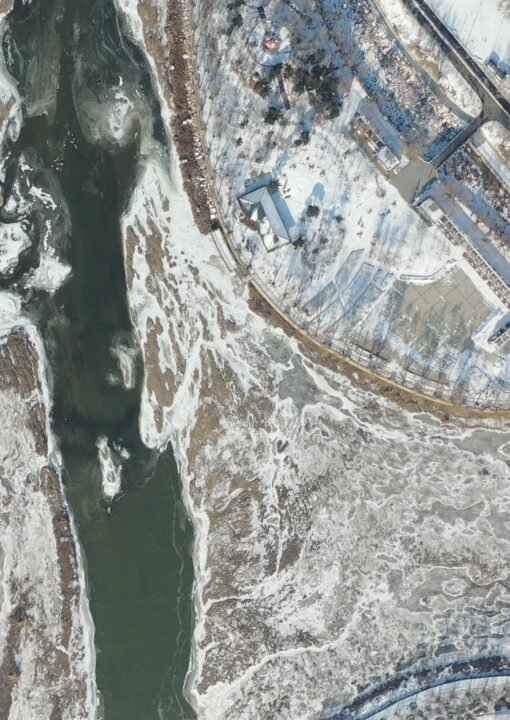
Terra is ground that embodies us. It enables us to speak for humanities journeyed histories, communities, technologies and futures. Soil. Yet not quite a stable proposition but constantly negotiated. Anthropomorphic, terra is cultivated and extracted, inherited and denied, mapped and mythologised, possessed and mourned. It is at once material and metaphysical.
In the late hours of 6 February 2026, in preparation for the Yogyakarta dialogue for this volume, I encountered the felt tremors of an earthquake. Coming from a space (Singapore) that is largely experienced as geographically stable and secure, the tremor was not simply a geological event for me but an existential disclosure. In that moment, the earth ceased to be background. It became present. It entered the body as sensation fuelling uncertainty and acute awareness. The tremor reminded that human life is not merely lived upon the earth, but lived within an embodying earth: one that supports, unsettles, exceeds and ultimately conditions us.
To be human is to stand on ground that can move.
This issue of ISSUE begins from the recognition that terra is secure or neutral for it is organised by power, law, capital, memory and desire. It is where communities locate their histories, bury their ancestors, feed their families, transmit knowledge, and imagine futures. Terra therefore demands that we think beyond the language of possession.
The essays, dialogues and artistic contributions gathered in this volume approach terra not as a theme to be illustrated, but as a corpus of embodied knowledge to be thought through. They ask how artistic practice might return us to forms of knowledge that modernity has marginalised: embodied knowledge, oral memory, ritual practice, ecological intimacy, community agency and the right to opacity. They also unpack how terra is transformed in an age of data infrastructures, artificial intelligence and synthetic worlds. If the digital appears to float free of earth, this volume reminds us that even the cloud has a material ground.
Charmaine Poh’s Portals for Dreaming proposes terra as threshold, unsettling the binary between land and sea, artifice and reality, self and other through moving-image works that traverse sand extraction, data centres, suppressed histories, disappearance and foraging; terra becomes cinematic, spectral and unstable. Mira Asriningtyas’s essay on laku takes us to Mount Merapi, where walking becomes a form of knowing. To walk is not simply to move across space; it is to learn the language of the land through the body. The question of belonging is differently complicated in Homeland by Rhett D’Costa, where terra is entangled with colonialism, migration, mixed-race identity and the unfinished violence of empire. Moving between Anglo-Indian memory, Bombay, Britain, Australia and unceded Dja Dja Wurrung lands, the essay refuses the comfort of a singular homeland. It reminds us that belonging is often fractured by histories one did not choose but must nevertheless inhabit. In the essay on artist Geraldine Javier by Tony Godfrey, terra is encountered through the garden. The garden is not presented as pastoral retreat, but as a site of labour, care, decay, cultivation and artistic thinking. Javier’s movement from painting into embroidery, eco-printing, farming and installation offers a philosophy of dwelling and material care.
The Yogyakarta dialogue brings these concerns into a powerful conversation on land, power and artistic responsibility. Across the voices of artists Arahmaiani, FX Harsono and Anang Saptoto, terra is understood as common ground: not in the abstract language of policy, but through lived struggle. The conversation moves through deforestation, mining, palm oil, tourism, airport development, Chinese-Indonesian land rights, women farmers, collectives, informal education, archives, religion, activism and community practice. What emerges is the centrality of care. Artists do not enter communities merely to extract stories or produce representations. At their most compelling, they build bridges, activate histories, support agency, and create conditions in which communities can speak in their own terms.
The contributions in this volume invite us to rethink terra as a field of relations. To stand on ground is already to stand within lived histories and within a living planetary system that can make human vulnerability pronounced. At a time when planetary precarity is intensified by technological abstraction and renewed geopolitical violence, terra asks us to return to the ground differently; not as spectacle but with humility and care. This issue gathers artists, writers and thinkers who show us that the ground is never inert. It remembers, resists, nourishes and transforms. Terra is where we stand, but also what we owe.