
Essays
Contributors’ Bios
Contributors’ Bios
Introduction
Editor
Venka Purushothaman
Associate Editor
Susie Wong
Copy editor
Weixin Quek Chong
Advisor
Milenko Prvački
Editorial Board
Felipe Cervera, UCLA School of Theatre, Film and Television, University of California, Los Angeles
Patrick Flores, University of the Philippines
Peter Hill, Artist and Honorary Enterprise Professor at the Victorian College of the Arts, University of Melbourne
Janis Jefferies, Goldsmiths, University of London, UK
Charles Merewether, Art Historian, Independent Researcher, Curator and Scholar
Editorial and Publication Support Team
Malar Nadeson, Darren Moore, Sureni Salgadoe
Contributors
Mira Asriningtyas
Rhett D’Costa
Tony Godfrey
Agni Malagina
Charmaine Poh
The Editors and Editorial Board thank all reviewers for their thoughtful and helpful comments and feedback to the contributors.
Introduction
Terra is ground that embodies us. It enables us to speak for humanities journeyed histories, communities, technologies and futures. Soil. Yet not quite a stable proposition but constantly negotiated. Anthropomorphic, terra is cultivated and extracted, inherited and denied, mapped and mythologised, possessed and mourned. It is at once material and metaphysical.
In the late hours of 6 February 2026, in preparation for the Yogyakarta dialogue for this volume, I encountered the felt tremors of an earthquake. Coming from a space (Singapore) that is largely experienced as geographically stable and secure, the tremor was not simply a geological event for me but an existential disclosure. In that moment, the earth ceased to be background. It became present. It entered the body as sensation fuelling uncertainty and acute awareness. The tremor reminded that human life is not merely lived upon the earth, but lived within an embodying earth: one that supports, unsettles, exceeds and ultimately conditions us.
To be human is to stand on ground that can move.
This issue of ISSUE begins from the recognition that terra is secure or neutral for it is organised by power, law, capital, memory and desire. It is where communities locate their histories, bury their ancestors, feed their families, transmit knowledge, and imagine futures. Terra therefore demands that we think beyond the language of possession.
The essays, dialogues and artistic contributions gathered in this volume approach terra not as a theme to be illustrated, but as a corpus of embodied knowledge to be thought through. They ask how artistic practice might return us to forms of knowledge that modernity has marginalised: embodied knowledge, oral memory, ritual practice, ecological intimacy, community agency and the right to opacity. They also unpack how terra is transformed in an age of data infrastructures, artificial intelligence and synthetic worlds. If the digital appears to float free of earth, this volume reminds us that even the cloud has a material ground.
Charmaine Poh’s Portals for Dreaming proposes terra as threshold, unsettling the binary between land and sea, artifice and reality, self and other through moving-image works that traverse sand extraction, data centres, suppressed histories, disappearance and foraging; terra becomes cinematic, spectral and unstable. Mira Asriningtyas’s essay on laku takes us to Mount Merapi, where walking becomes a form of knowing. To walk is not simply to move across space; it is to learn the language of the land through the body. The question of belonging is differently complicated in Homeland by Rhett D’Costa, where terra is entangled with colonialism, migration, mixed-race identity and the unfinished violence of empire. Moving between Anglo-Indian memory, Bombay, Britain, Australia and unceded Dja Dja Wurrung lands, the essay refuses the comfort of a singular homeland. It reminds us that belonging is often fractured by histories one did not choose but must nevertheless inhabit. In the essay on artist Geraldine Javier by Tony Godfrey, terra is encountered through the garden. The garden is not presented as pastoral retreat, but as a site of labour, care, decay, cultivation and artistic thinking. Javier’s movement from painting into embroidery, eco-printing, farming and installation offers a philosophy of dwelling and material care.
The Yogyakarta dialogue brings these concerns into a powerful conversation on land, power and artistic responsibility. Across the voices of artists Arahmaiani, FX Harsono and Anang Saptoto, terra is understood as common ground: not in the abstract language of policy, but through lived struggle. The conversation moves through deforestation, mining, palm oil, tourism, airport development, Chinese-Indonesian land rights, women farmers, collectives, informal education, archives, religion, activism and community practice. What emerges is the centrality of care. Artists do not enter communities merely to extract stories or produce representations. At their most compelling, they build bridges, activate histories, support agency, and create conditions in which communities can speak in their own terms.
The contributions in this volume invite us to rethink terra as a field of relations. To stand on ground is already to stand within lived histories and within a living planetary system that can make human vulnerability pronounced. At a time when planetary precarity is intensified by technological abstraction and renewed geopolitical violence, terra asks us to return to the ground differently; not as spectacle but with humility and care. This issue gathers artists, writers and thinkers who show us that the ground is never inert. It remembers, resists, nourishes and transforms. Terra is where we stand, but also what we owe.
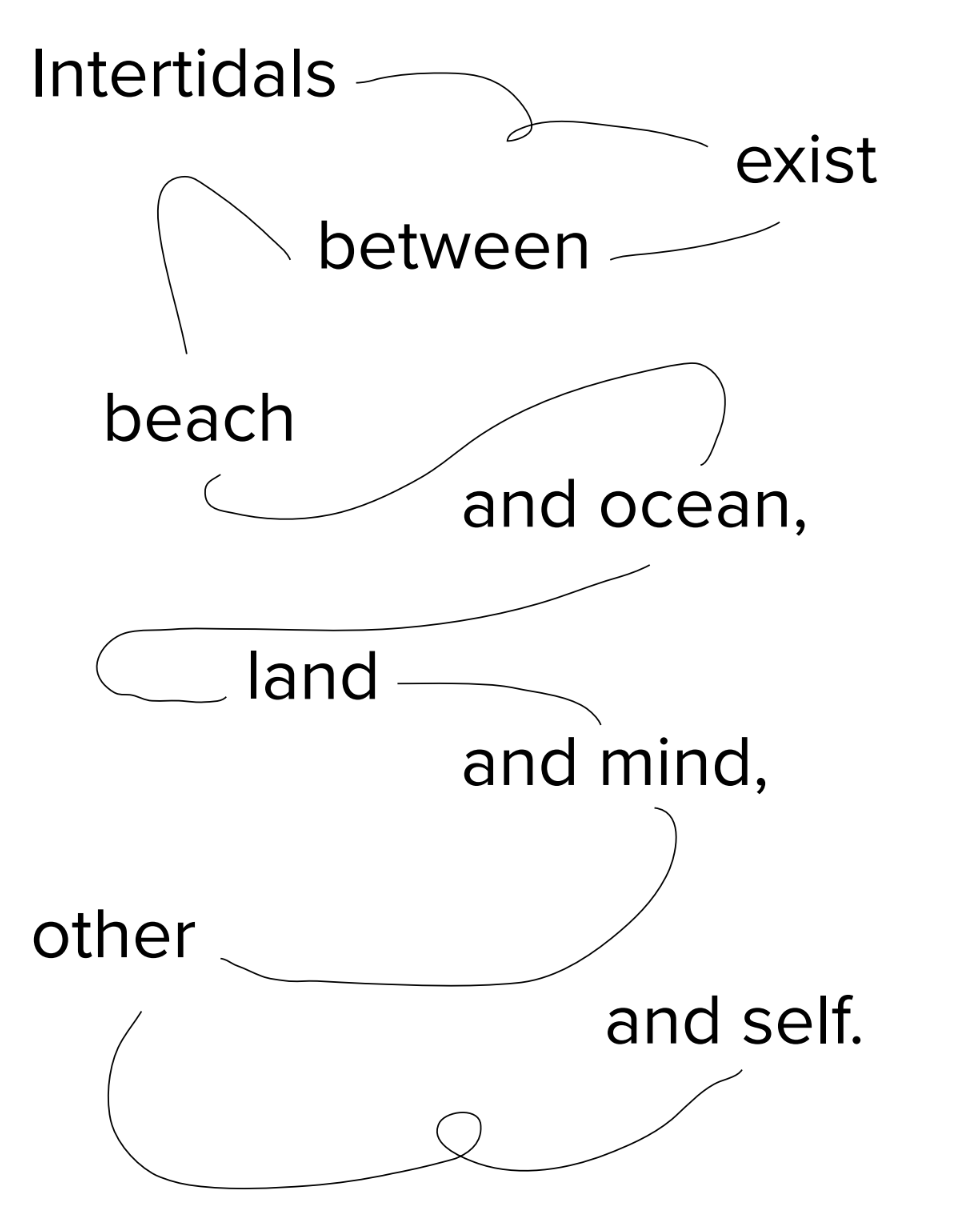
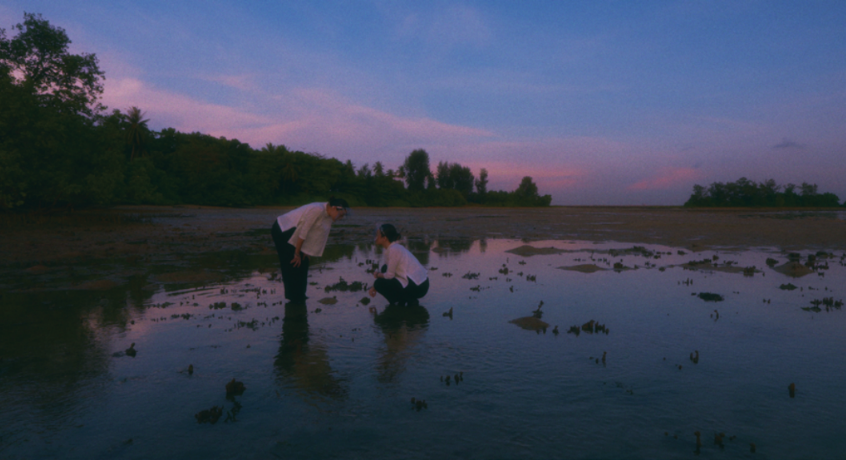
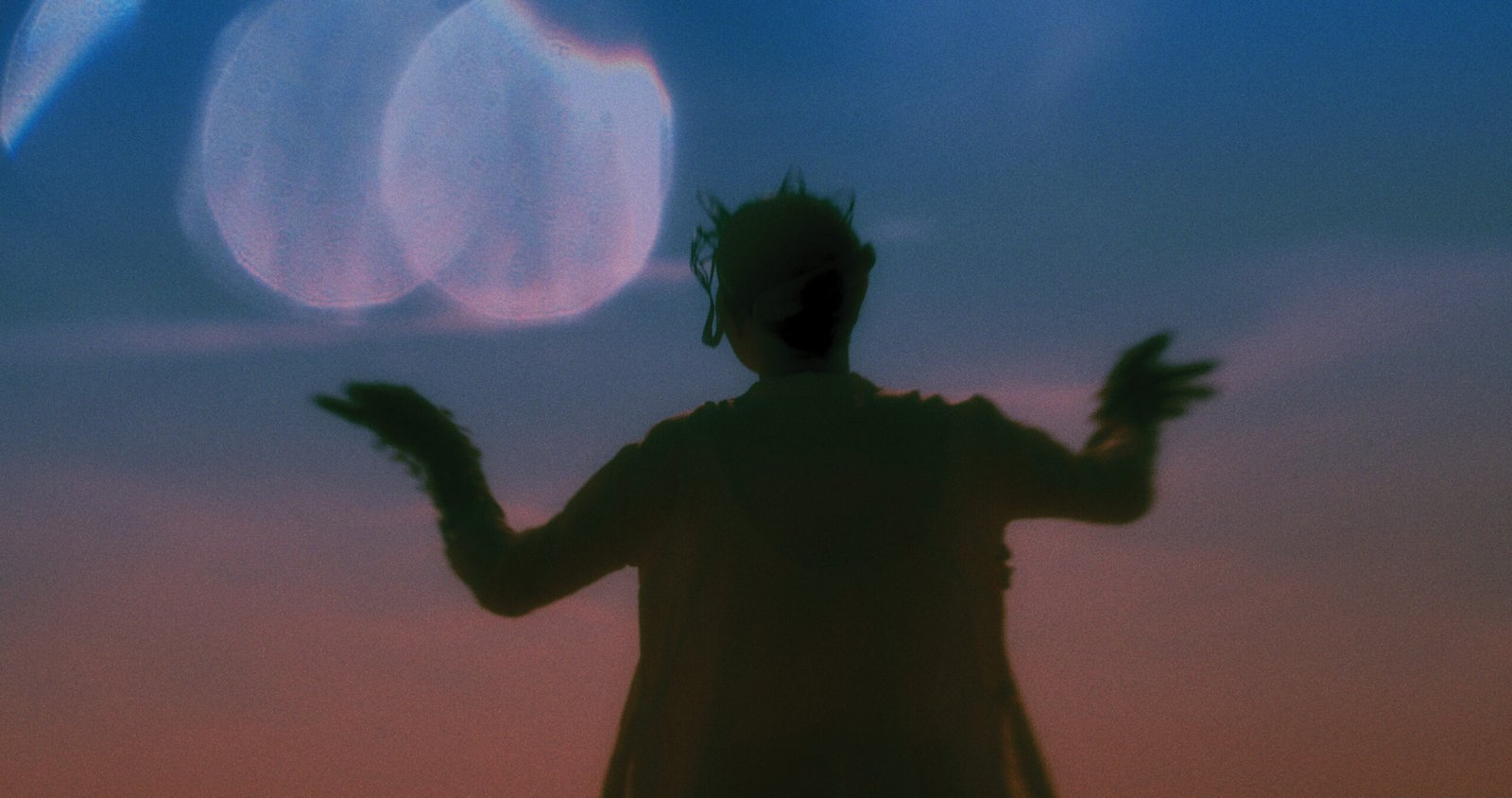
My recent three-channel video installation The Moon is Wet (2025) takes place at the intertidal zone in Singapore. A place beyond the binaries of land and sea, artifice and reality, dusk and dawn, it is also a fragile ecosystem with non-human lives that are the first to be destroyed when faced with change. Singapore’s geographical location makes it a safe harbour from many natural disasters, but its ceaseless reclamation of land forces ecosystems to adapt again and again.
There are parallels to the city-state’s history as a porous place, where stories flow in and out through the sojourners and migrants who find themselves there. These are the sorts of characters who appear in The Moon is Wet: the Fujianese sea goddess Mazu, the Cantonese Majie,1 and an Indonesian migrant domestic worker, who live in parallel across timelines. If there was any place in Singapore that could be a portal for stories to be retold through a different lens, it would be in this delicate, beautiful zone. Against the backdrop of Singapore’s relentless chase for technological and economic progress, the work foregrounds the cosmologies that have been relegated to the sidelines.
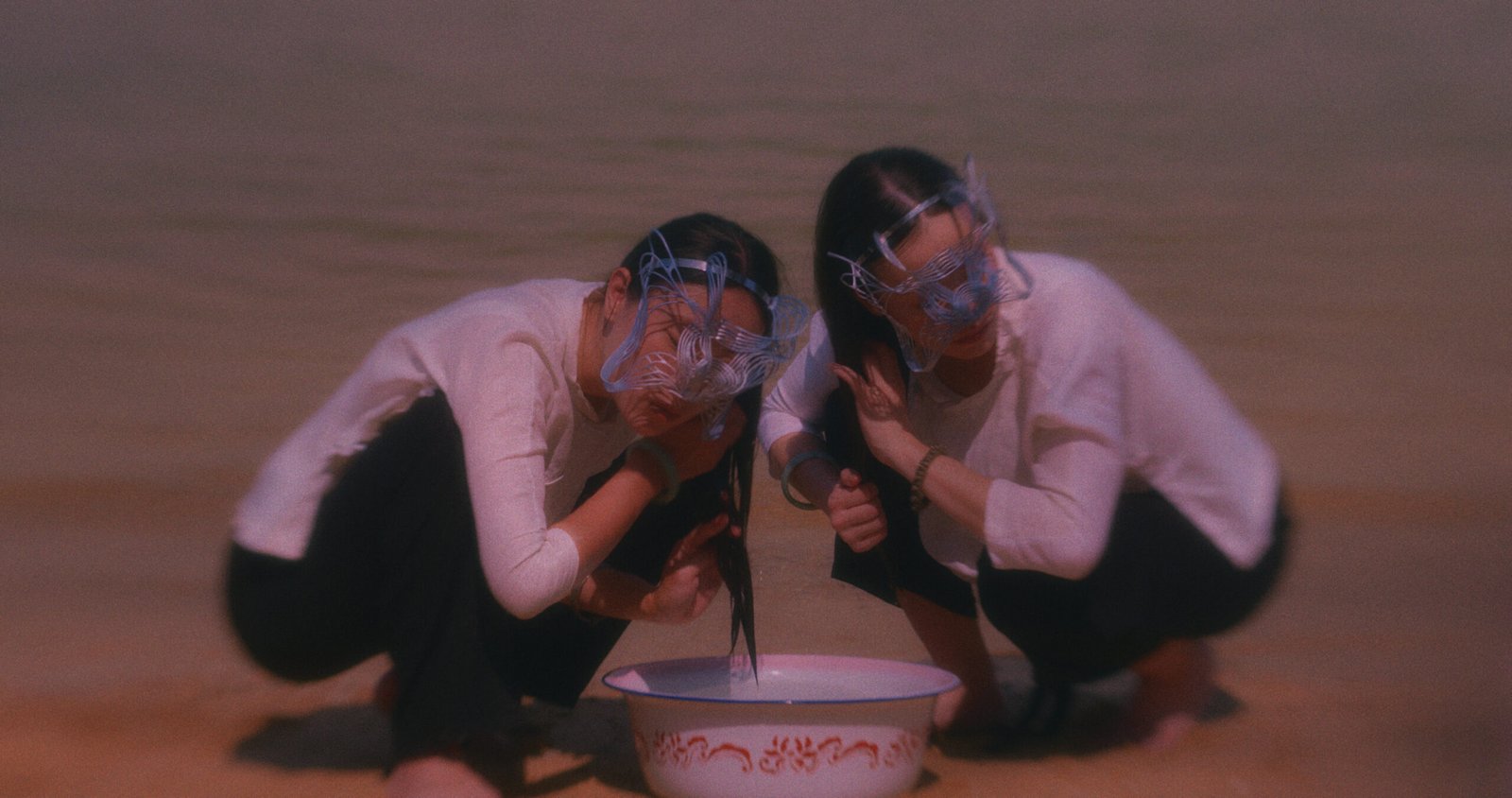
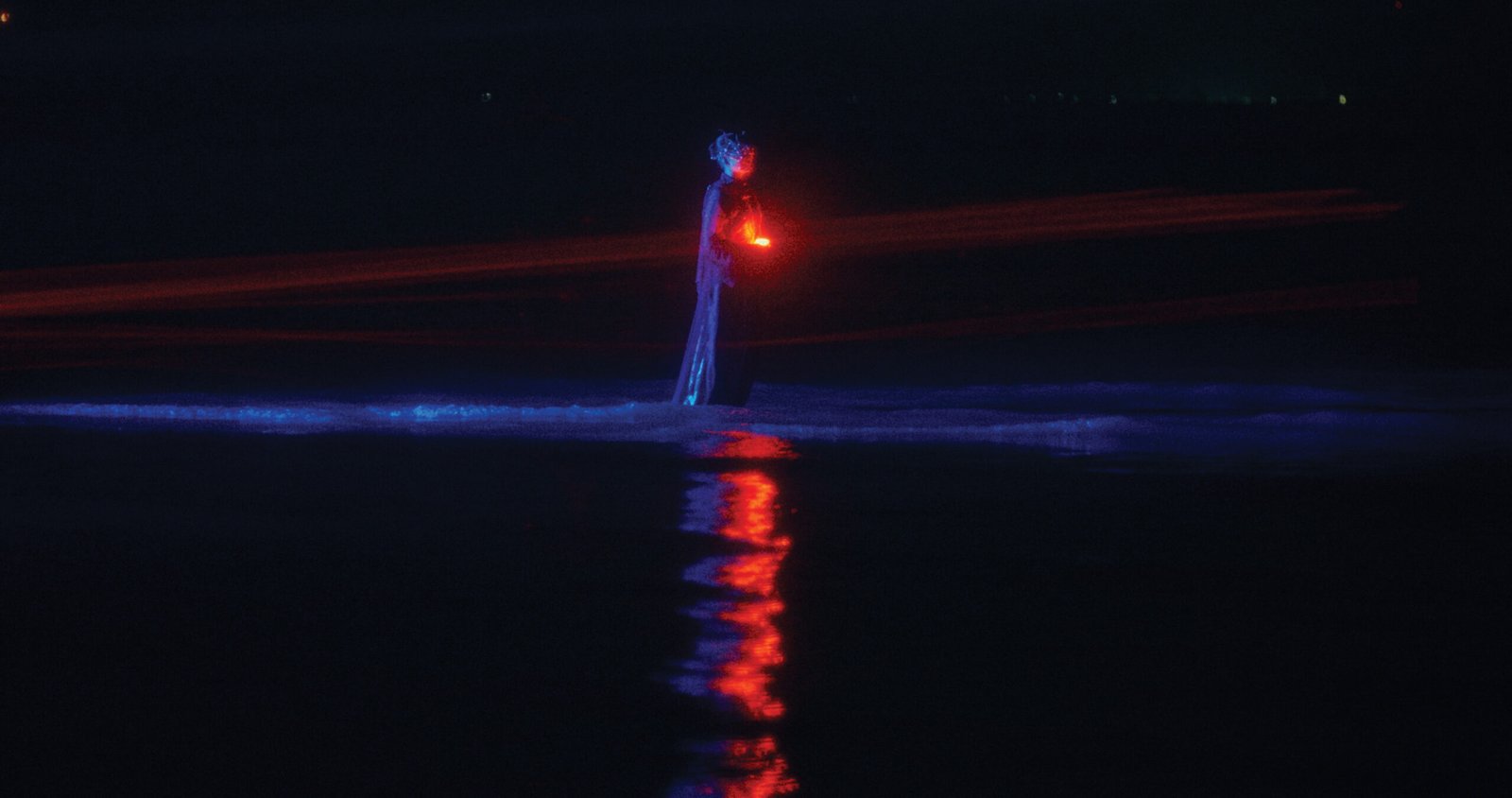
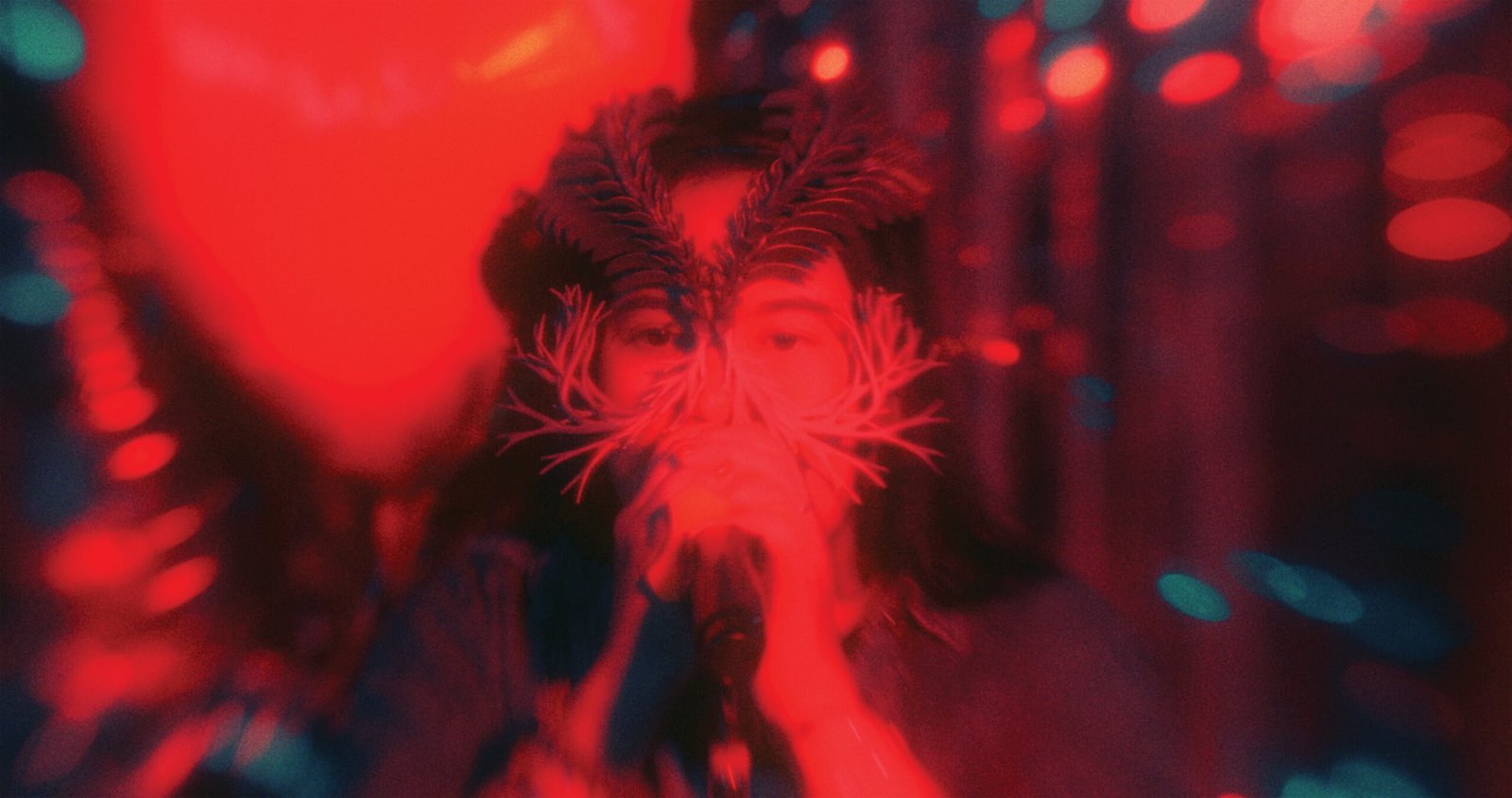
Portals for Dreaming is conceived as a moving-image programme in an editorial spread, with five films to be viewed in sequential order. Bringing together multiple modes of circulation, from the exhibition space to the film festival, the programme emphasises the way cinematic knowledge can be translated through the form of the publication. The selected works challenge historical and spatial categories, considering terra as a locus of the imagination, resisting any fixity of power.

The first film is Sandcastles (2024) by New York-based Singaporean filmmaker Carin Leong. The 17-minute film binds two cities across the world from each other but bearing the same name: Singapore, Singapore, and Singapore, Michigan. The former is framed by its hunger for sand, while the latter has ceased to exist, having been swallowed by sand dunes due to deforestation in the 19th century.
The story of sand and the story of Singapore are deeply entangled. Artists like Charles Lim, Sim Chi Yin, and Yeo Siew Hua have engaged with its sobering and fictive qualities, with Charles Lim’s artistic research used as a source for Sandcastles. Its documentary predecessor is possibly Lost World (2018) by Kalyanee Mam, a short film that follows a Cambodian woman named Vy Phalla who traces the steps from her village destroyed by the global sand supply chain to Singapore’s Gardens by the Bay, which was not only built on reclaimed land but has also constructed itself as a major global public relations icon for Singapore. Between 2007 and 2017, Cambodia was a major source of supply of sand to Singapore,2 which remains the world’s top importer of the resource.
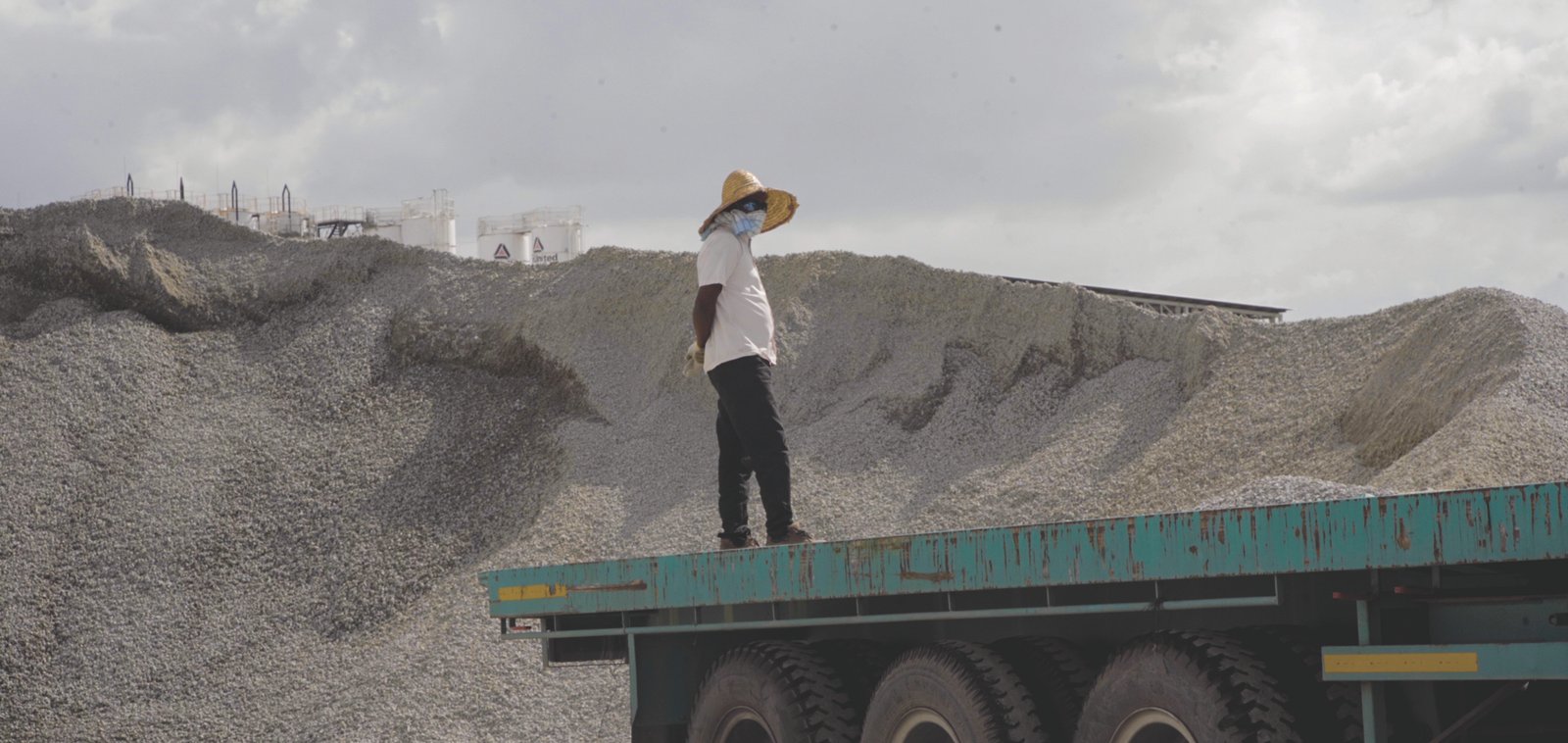
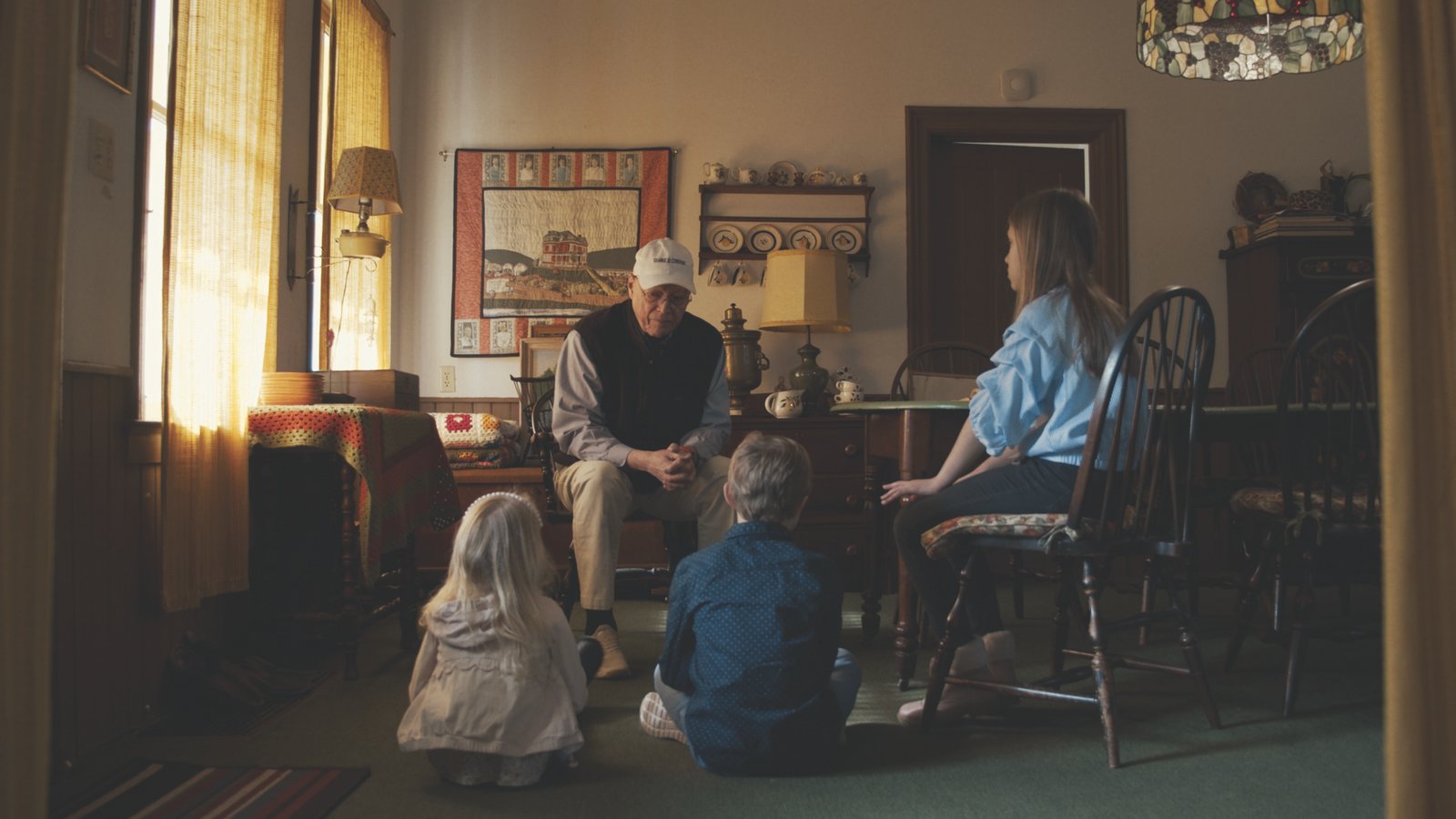
Carin Leong, Sandcastles (2024). Video stills.
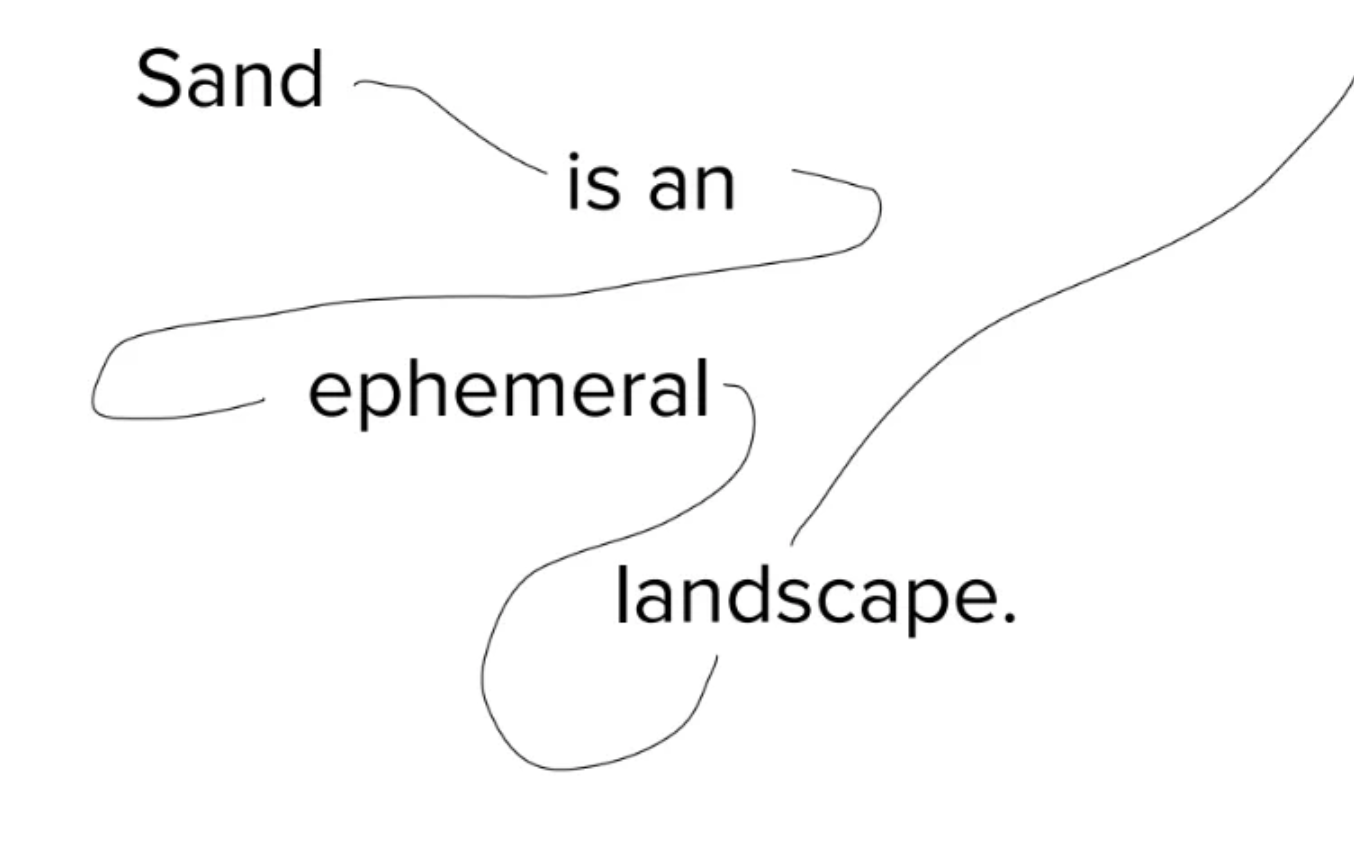
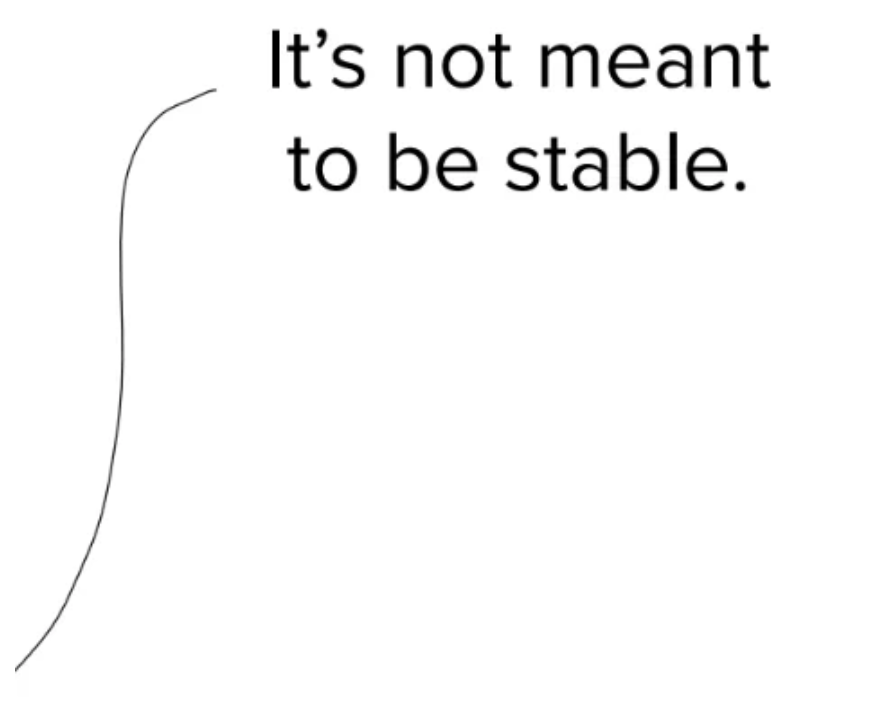
Leong’s take is similarly meditative to Mam’s, but with a dark premonition about human-centred greed. “Sand is an ephemeral landscape. It’s not meant to be stable,” says a character in the film, bringing the interconnectedness of precarity to the fore. The shots interweave between the two places, not always making it clear where we are. The past is also recalled through a grandmother figure, who tells a tale of how the “mountain” and “ocean” of her childhood environment disappeared via sheer human will, making memory seem both sobering and fantastical, a shared sentiment in novels like Rachel Heng’s The Great Reclamation (2023). Later, the credits in the film offer a dedication to the ancestral shorelines of both Singapores, summoning timelines that are beyond our immediate grasp.
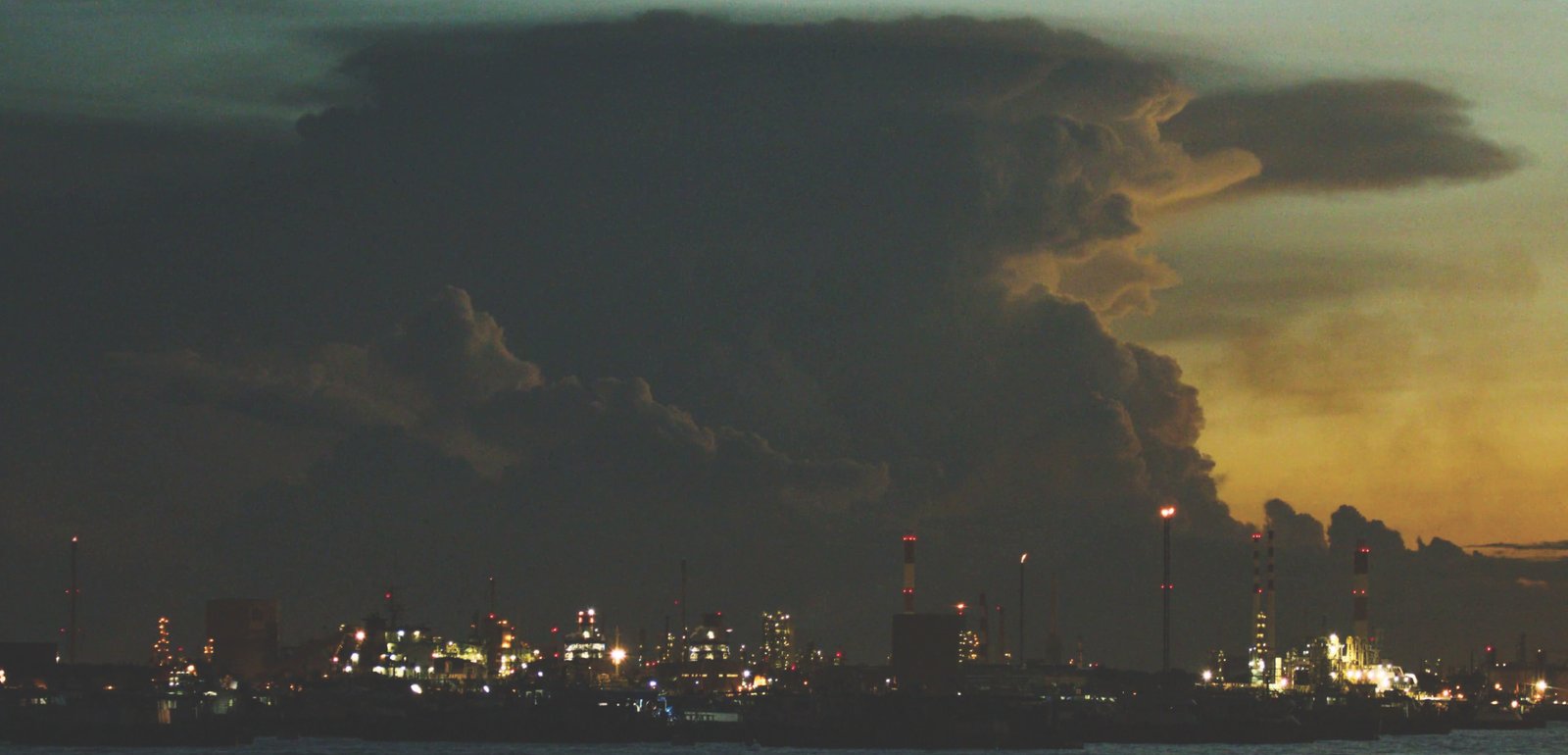

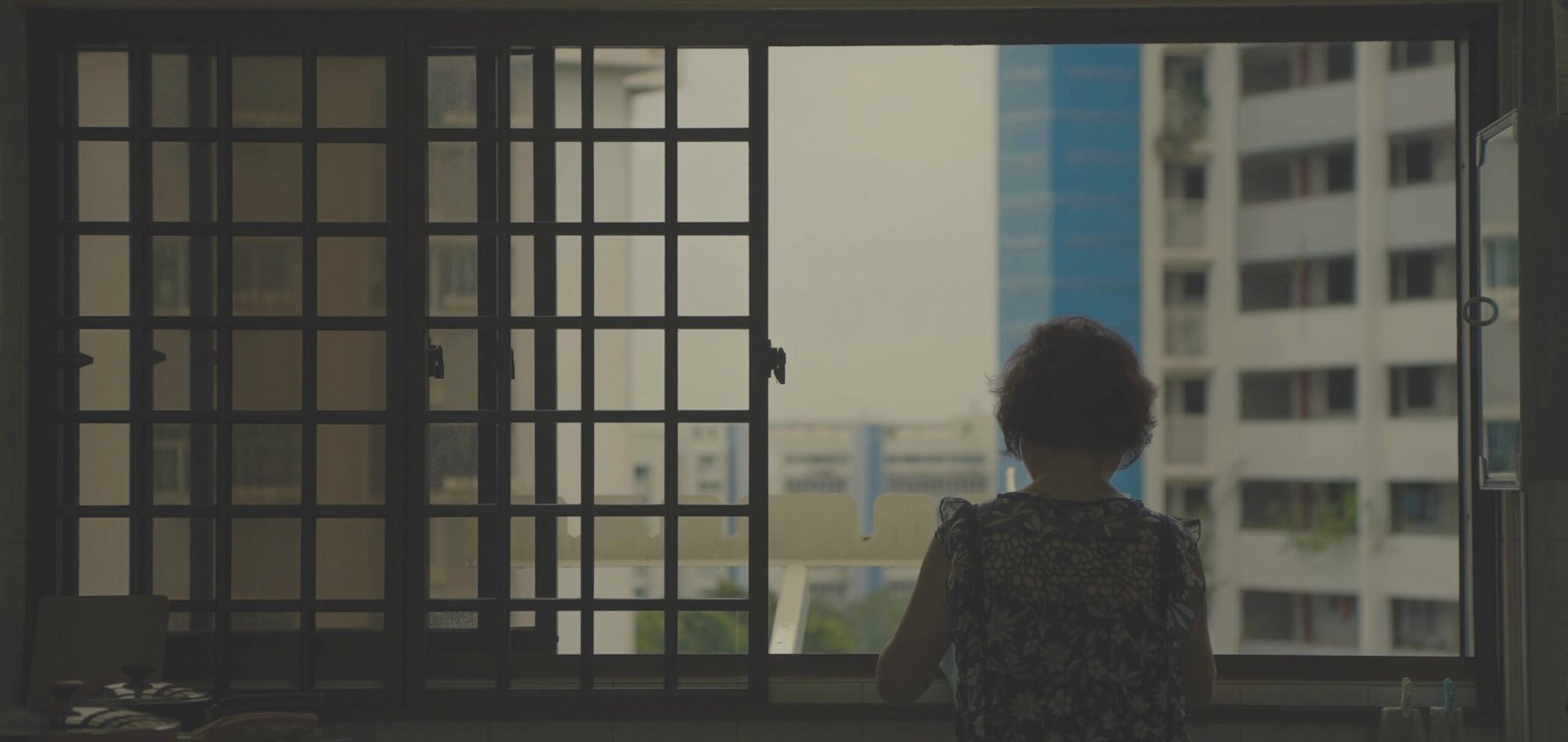
This meandering quality between time and space goes a step further in the second film Random Access (2023) by He Zike, a Chinese artist based in her hometown Guiyang which is also known as China’s data capital. Its mountainous terrain and cloudy, temperate climate have been rendered suitable for big data infrastructure. Huawei, Apple and Tencent are just some of the corporations based there, but there are at least 49 key data centres as of September 2025.3
Random Access draws its title from tech lingo, which refers to the ability of a computer storage device to access any data element in equal time, no matter its location. He uses it as a metaphor for how memory is processed, particularly in a time where embodied knowledge is tightly interwoven with digital technology.
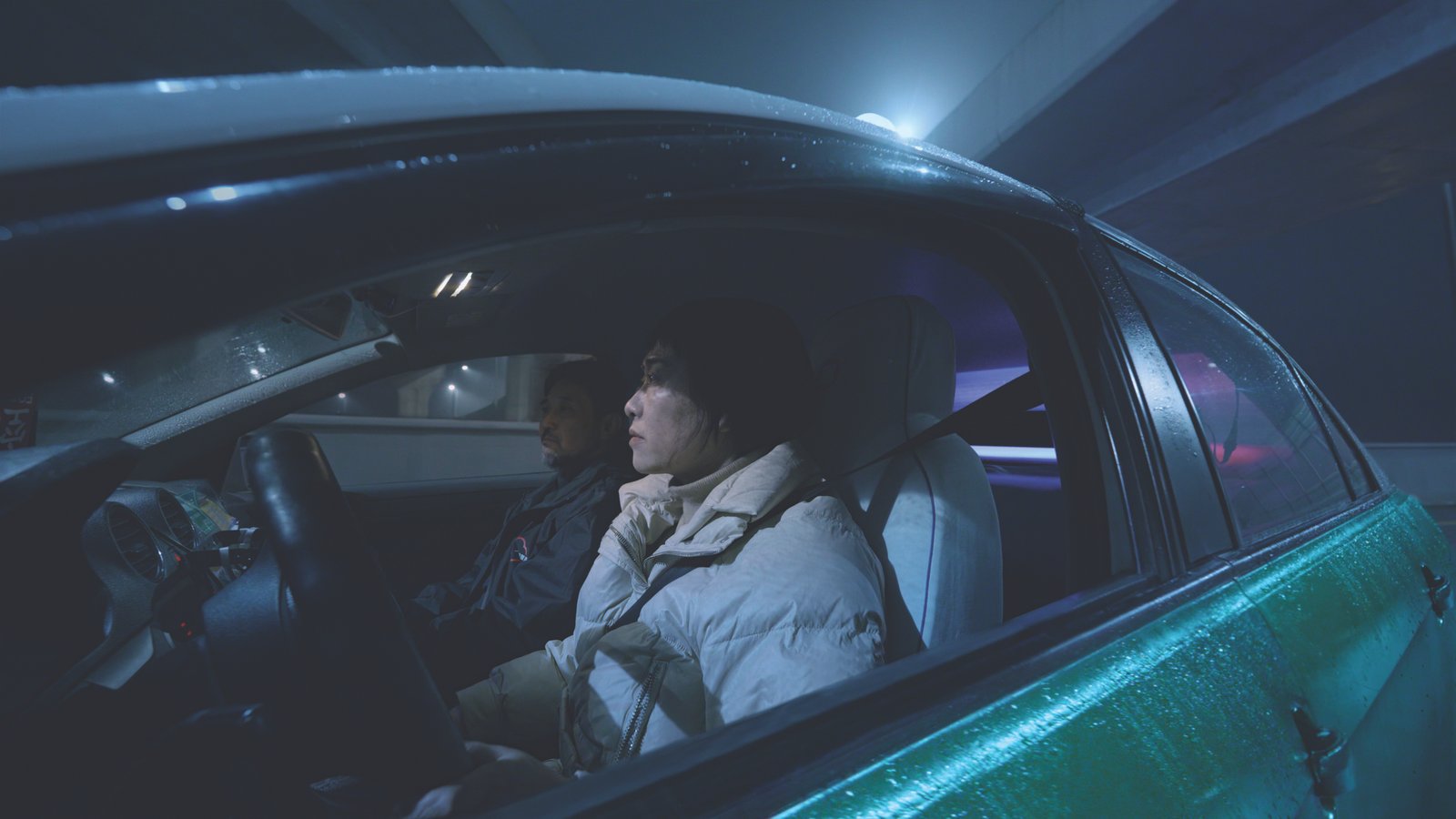
He Zike, Random Access (2023). Video stills.

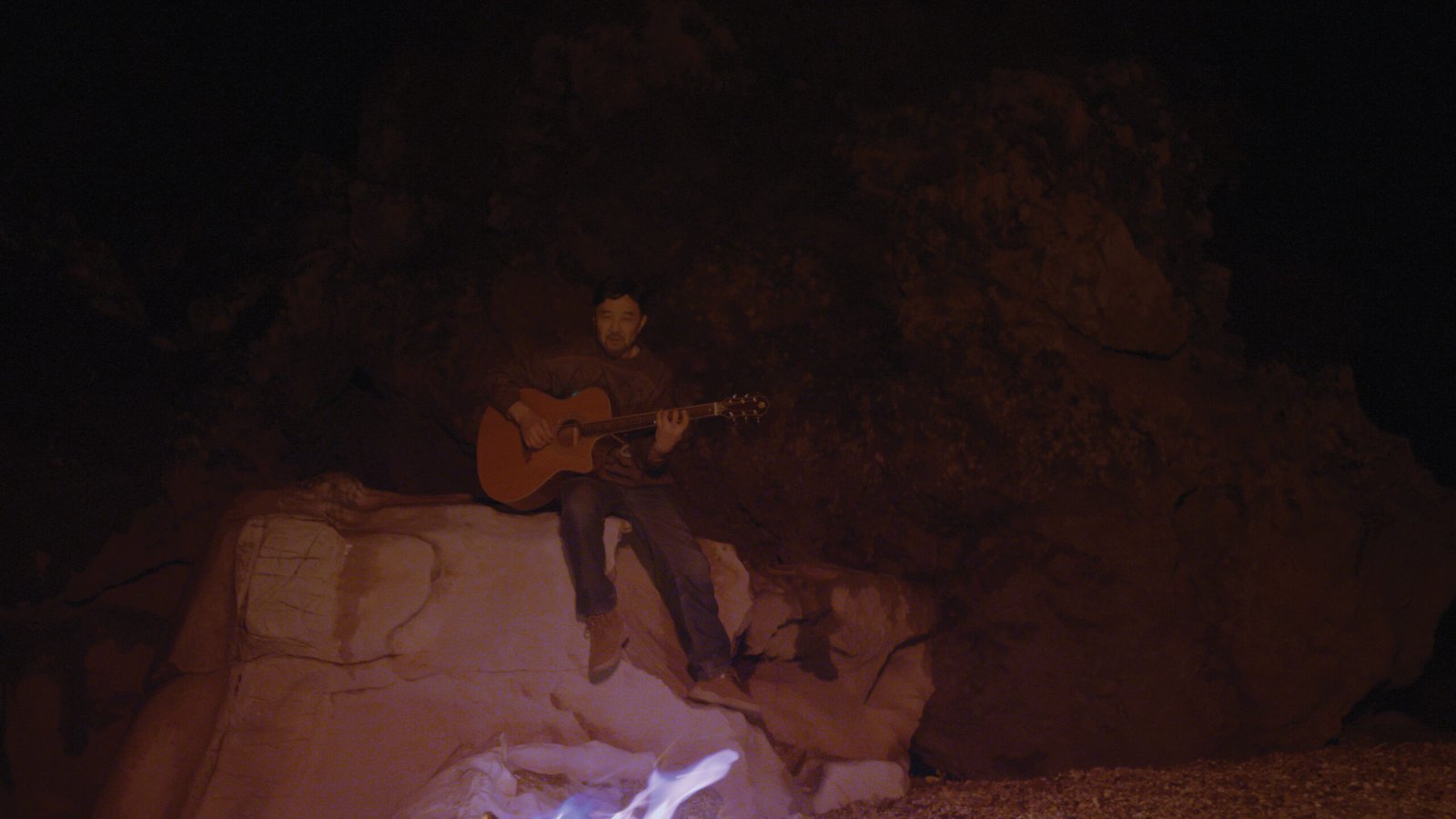
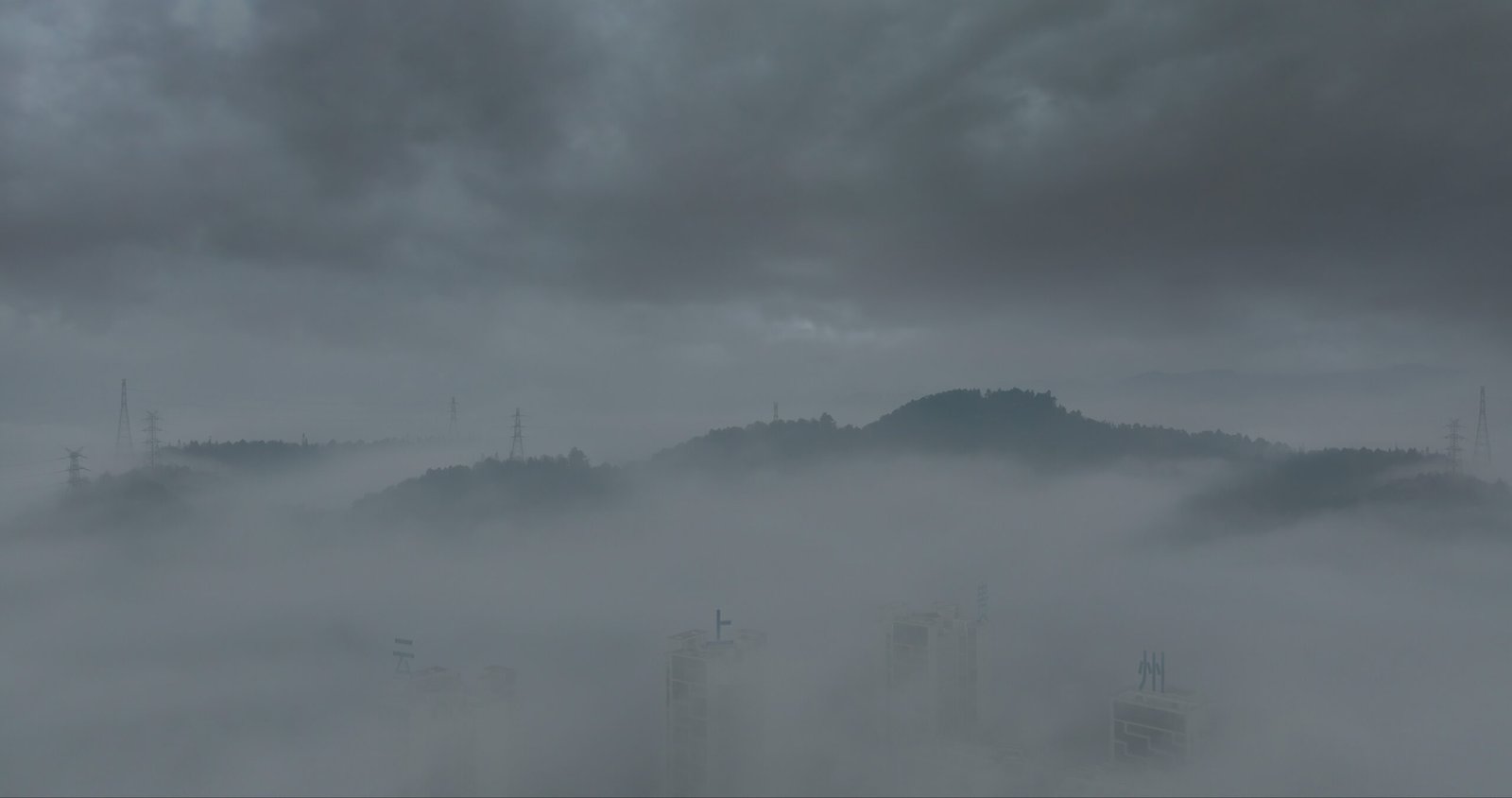
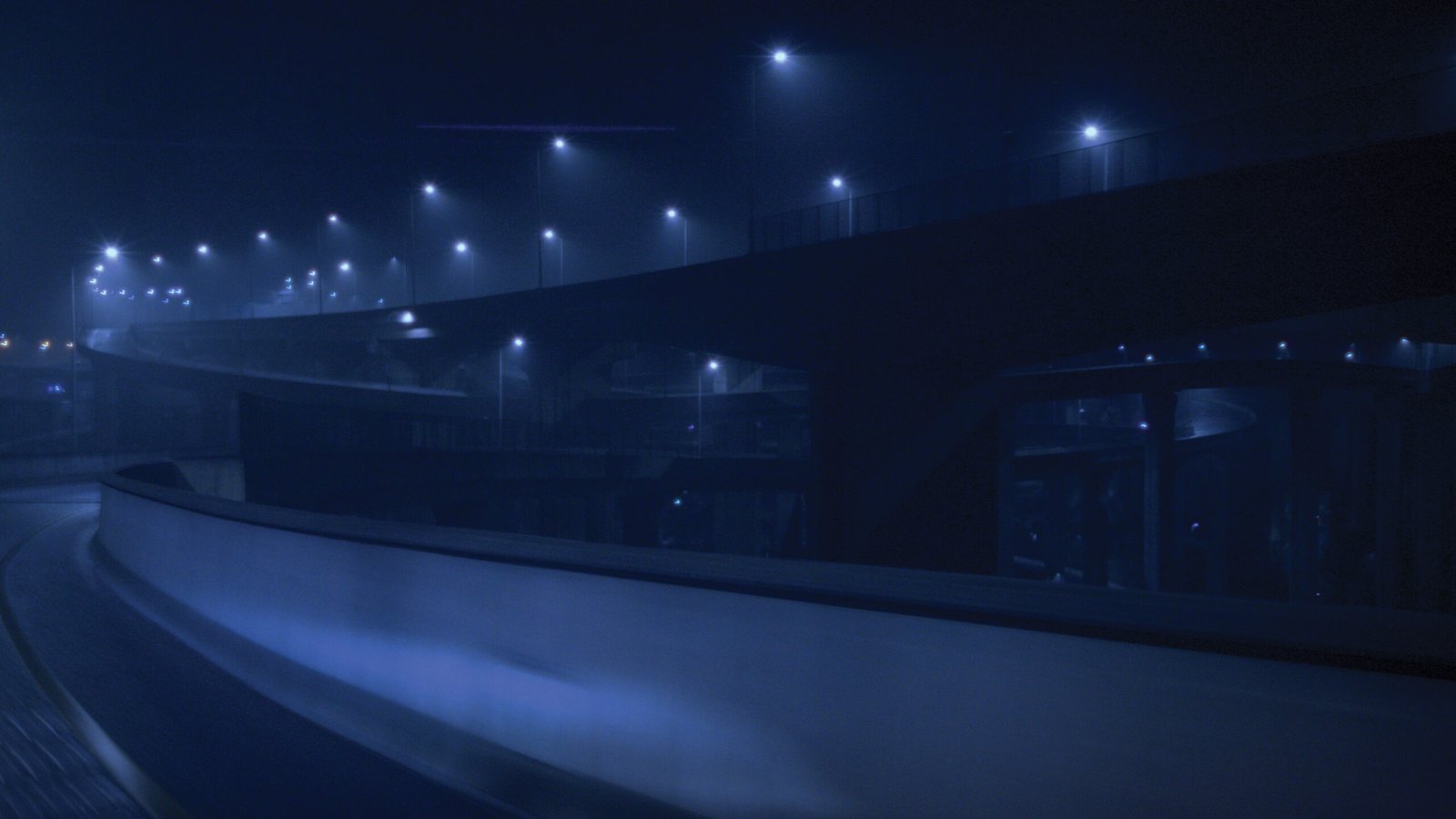
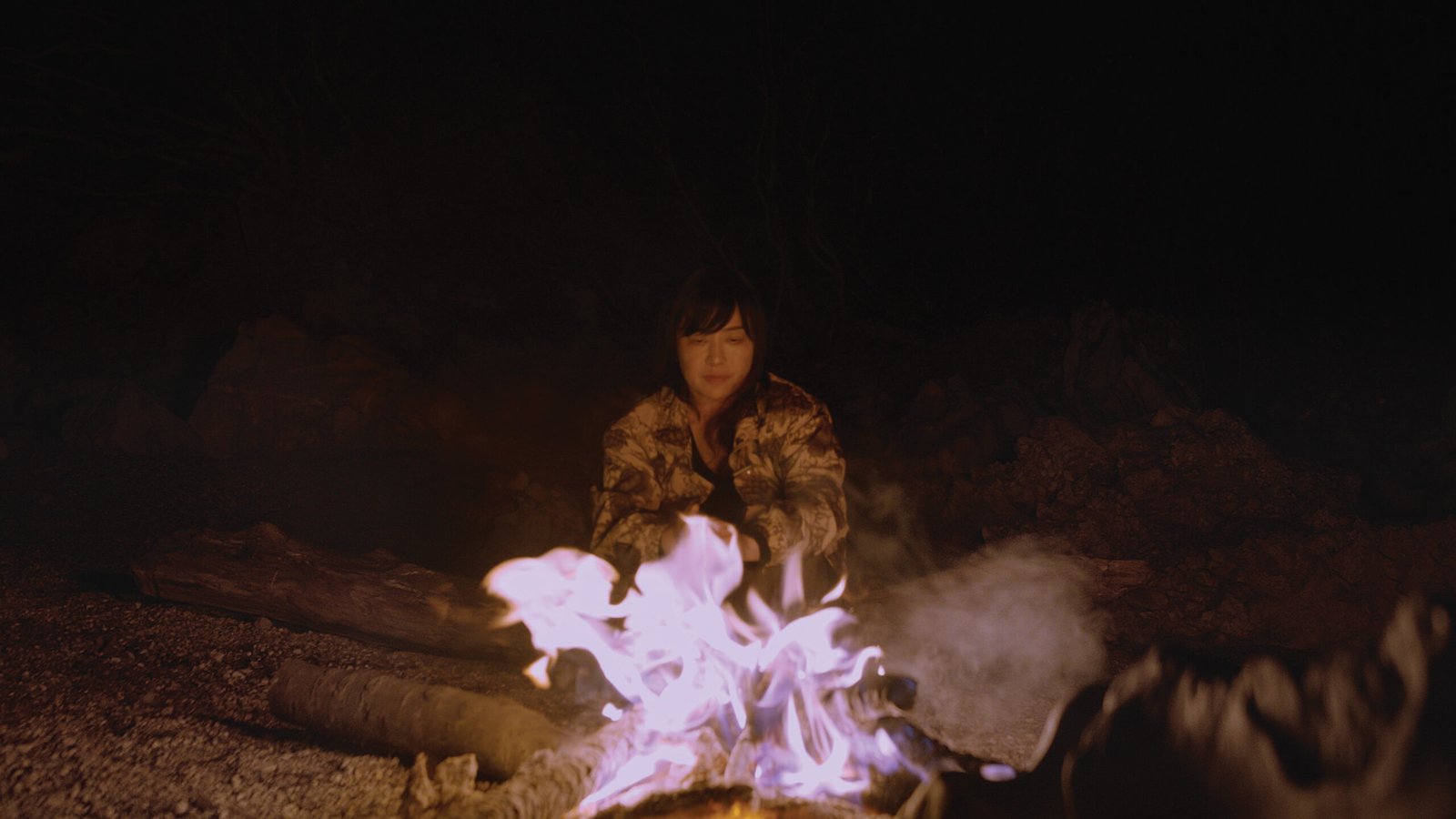
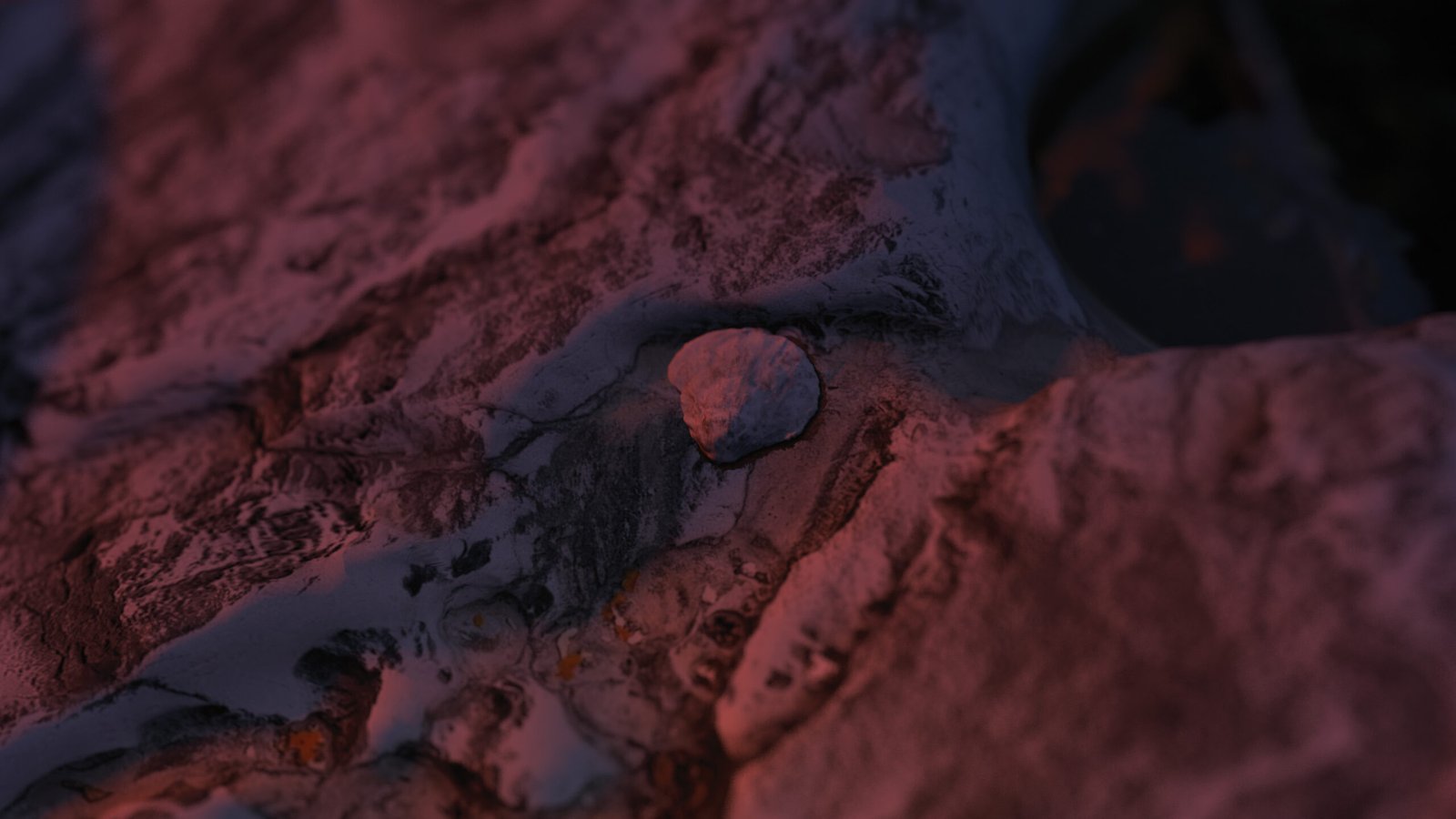
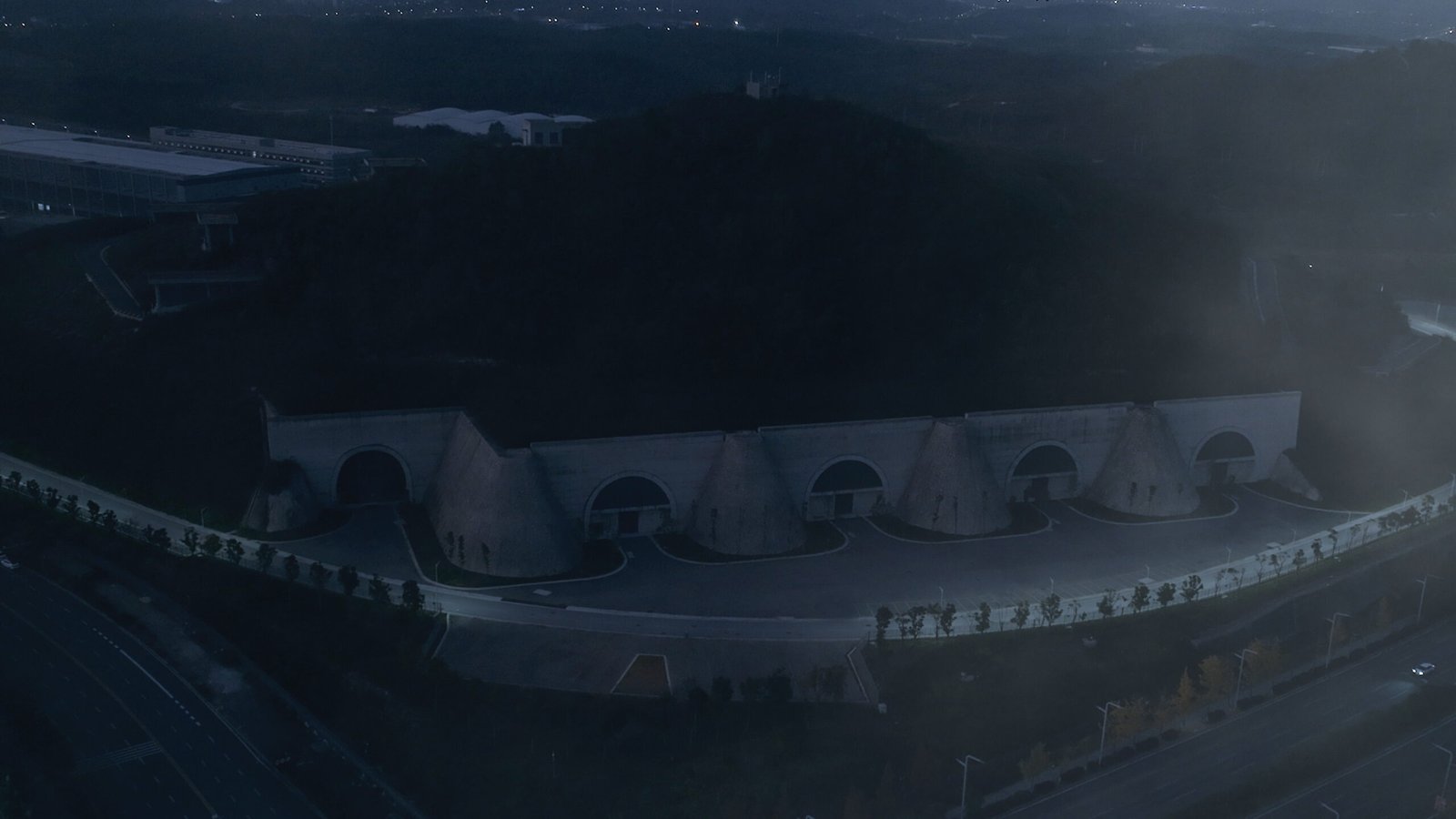
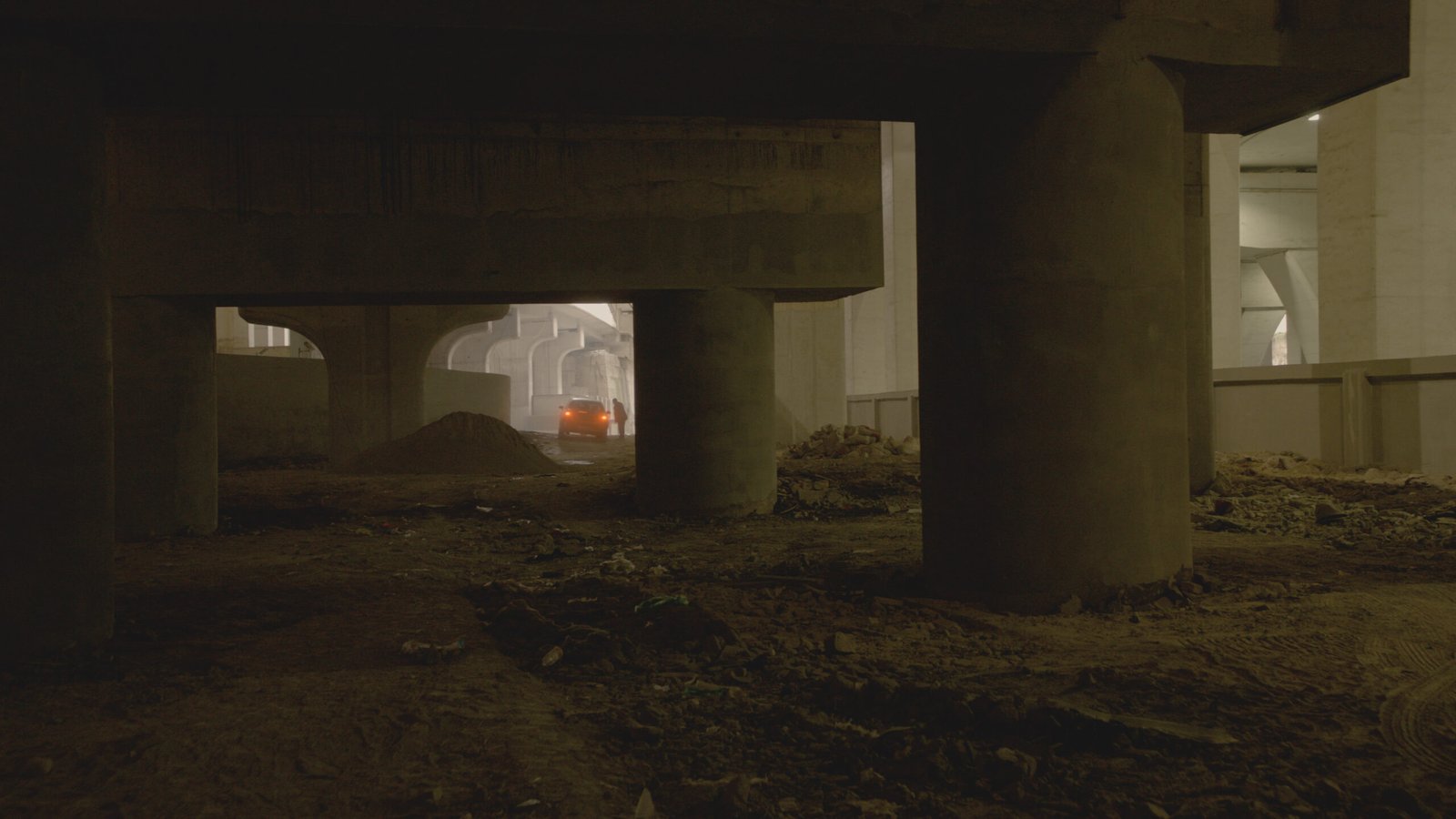
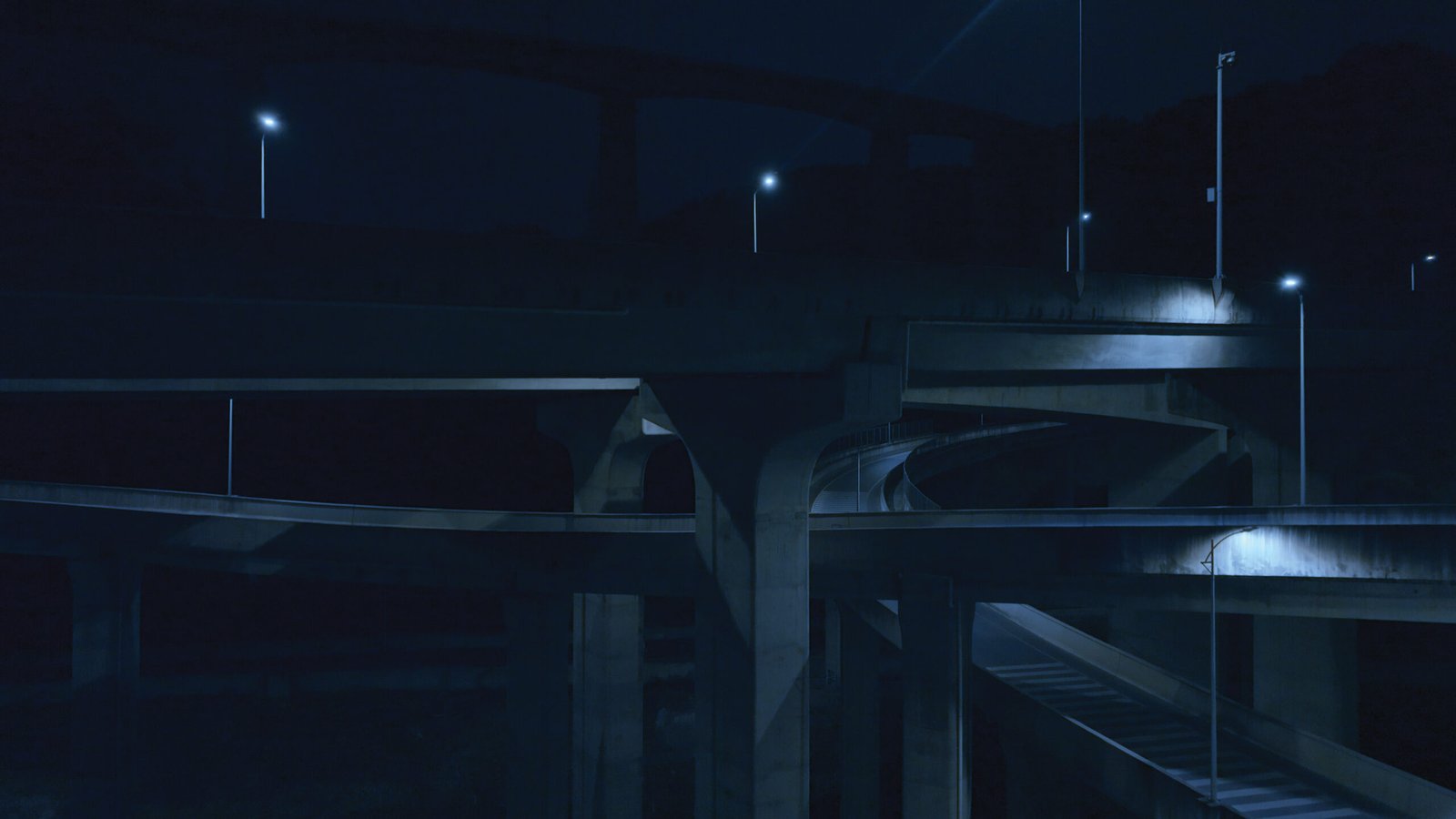


The narrative begins the day after the city’s central data centre crashes and reboots. Two lonesome figures, themselves ghosts in the machine, meet and drive through the city, trying to relocate themselves. Along the way, they recall each other’s memories, as well as ancient oceans far beyond their temporality, as though they are along the shores of something much larger than themselves.
When I was still a shell
Sea water receded from this land
Then the mountains rose
The rain fell down
Pouring into the bodies of the ground and the mountain
Until one day they cannot be beheld any longer
Forming the rivers, the caves and the sinkholes
Bursting and gushing out like memories
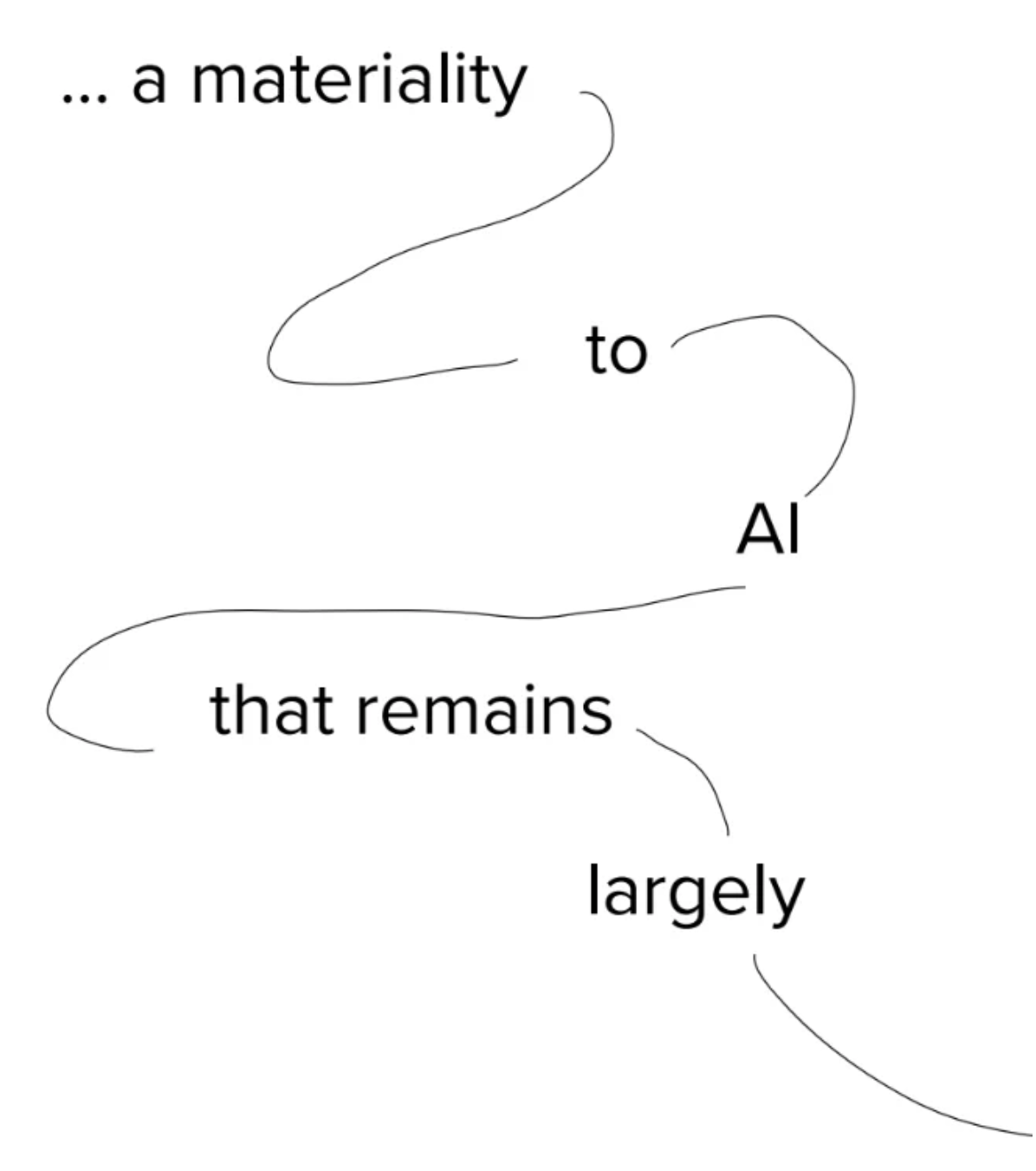
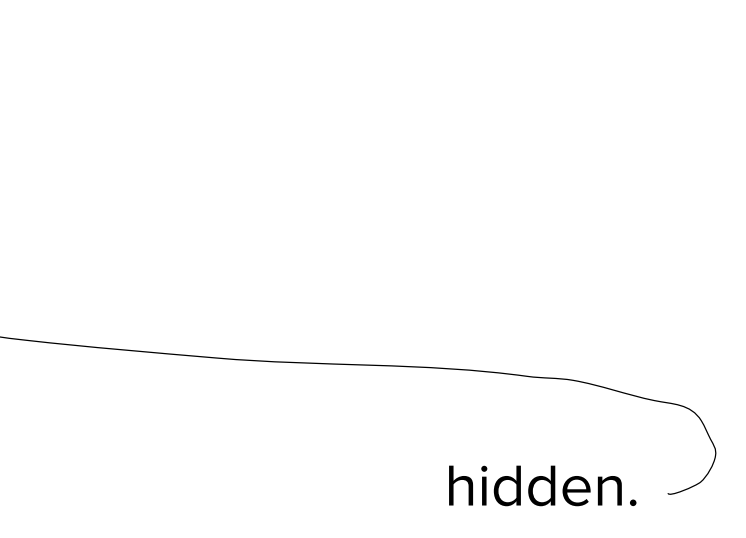
The characters sing, sometimes accompanied by a guitar, expressing a sentimentality that contrasts with the robotic voice of the GPS in the film. Are they remembering folklore, or creating it in real time? No one seems to be sure. But He’s placement of working-class labourers in a desolate cityscape recalls the hidden labour behind the city’s big-data development. “If we probe into some of the mainstream social imaginaries about AI,” says Professor Bingchun Meng of the Department of Media and Communications at the London School of Economics, “there seems to be this fantasy about the ‘cloud’—it’s clean, it’s ethereal, and it’s somewhere out there doing wonderful things. But what is visible to the general public about AI is really the tip of the iceberg. Actually there’s a whole production line starting from lower-level data processing jobs, a materiality to AI that remains largely hidden.”4
Even as Singapore and the rest of Southeast Asia continue to invest more in becoming data centre hubs, we are only just beginning to contend with the effects that such technology will have on our sense of identity. If stored memory can be so easily re-written, does that lead to a replication of history? It’s a question that takes us to Tungus (2021), the third work in Wang Tuo’s ambitious The Northeast Tetralogy film series. Comprising the video works Smoke and Fire, Distorting Words, Tungus and Wailing Requiem, the series constructs complex narratives about Northeast Asia and its fractured history.
Like He in Guiyang, Wang looks at the immediate geography surrounding his hometown, Changchun, particularly through its untreated historical trauma and suppressed collective consciousness, expressed through what he calls ‘pan-shamanisation’ which is when individuals act as mediums for past spirits to re-embody. History thus cannot help but repeat itself.
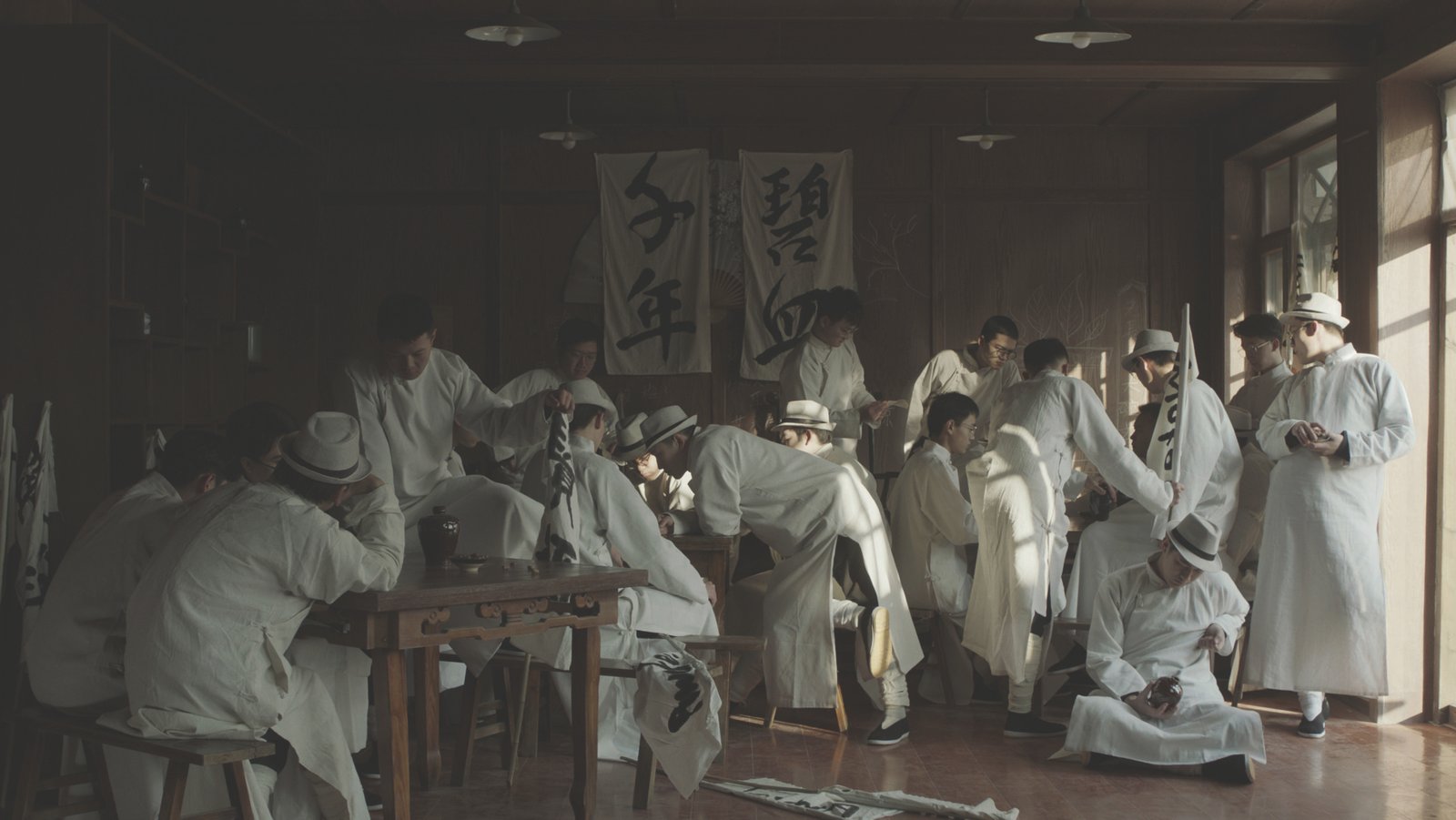
In an interview with EastEast, Wang shares the contextual backdrop of the film: “The background of Tungus is the Chinese Civil War and the siege of Changchun in 1948, which is a super sensitive historical incident—for the Communists and the Kuomintang (Chinese Nationalist Party) alike. Changchun, the former capital of Manchuria, was held by the Kuomintang and the Communist Party of China wanted to take it as part of its liberation war strategy. Since they didn’t have enough military force to do so, their plan was to circle the city, to siege it. The siege lasted for more than six months, no one could get in or out of Changchun—which means there was no food supply either. The Kuomintang government wanted to let the citizens leave so that their army would have enough resources and could continue fighting, but the CPC wouldn’t let anyone out, as they wanted the citizens to fight for food with the Kuomintang. There was formed an intermediary circle, a ring around the city, with tens of thousands of people stuck inside it, starving to death. This history is not included in our textbooks.”5
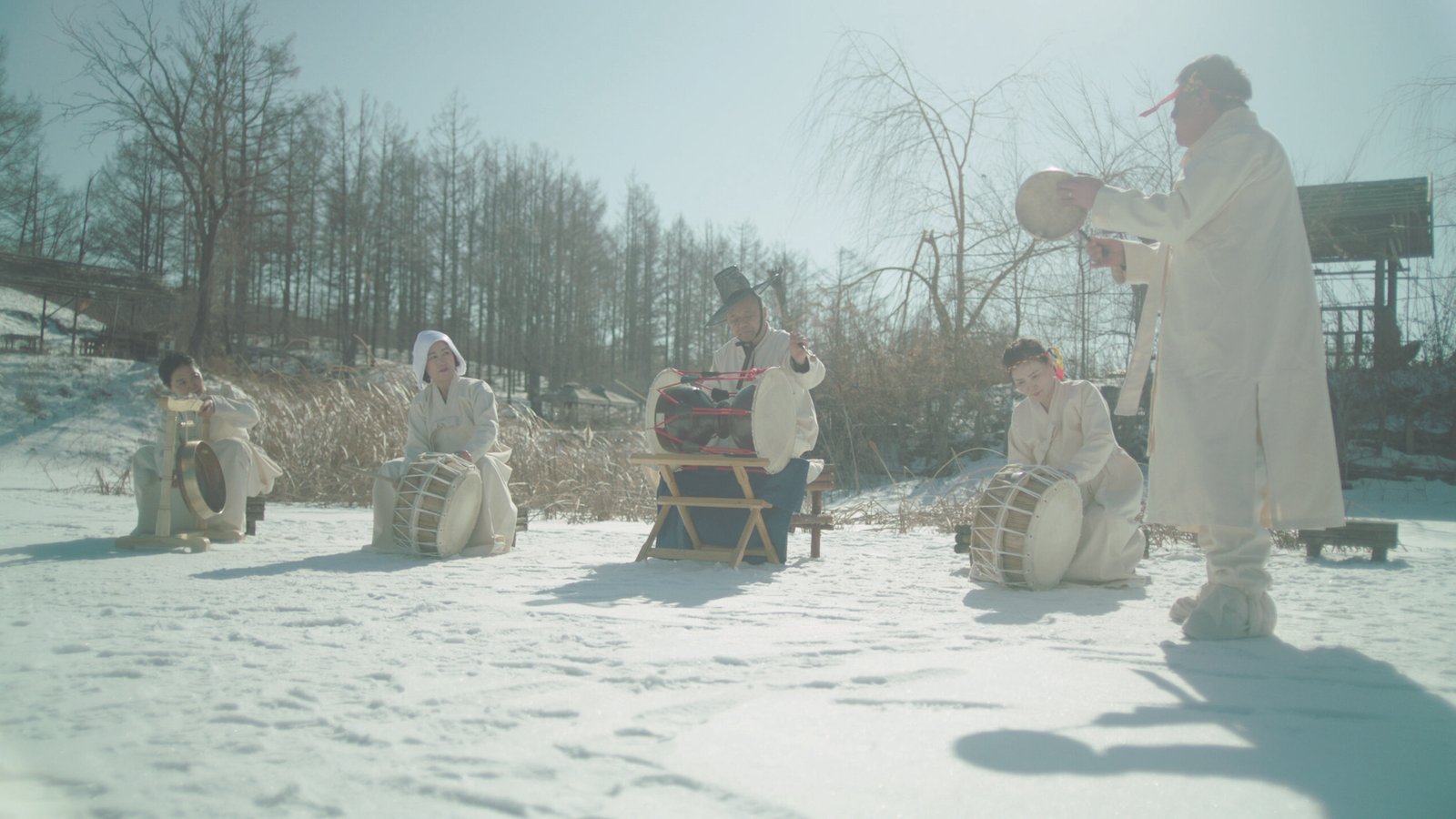
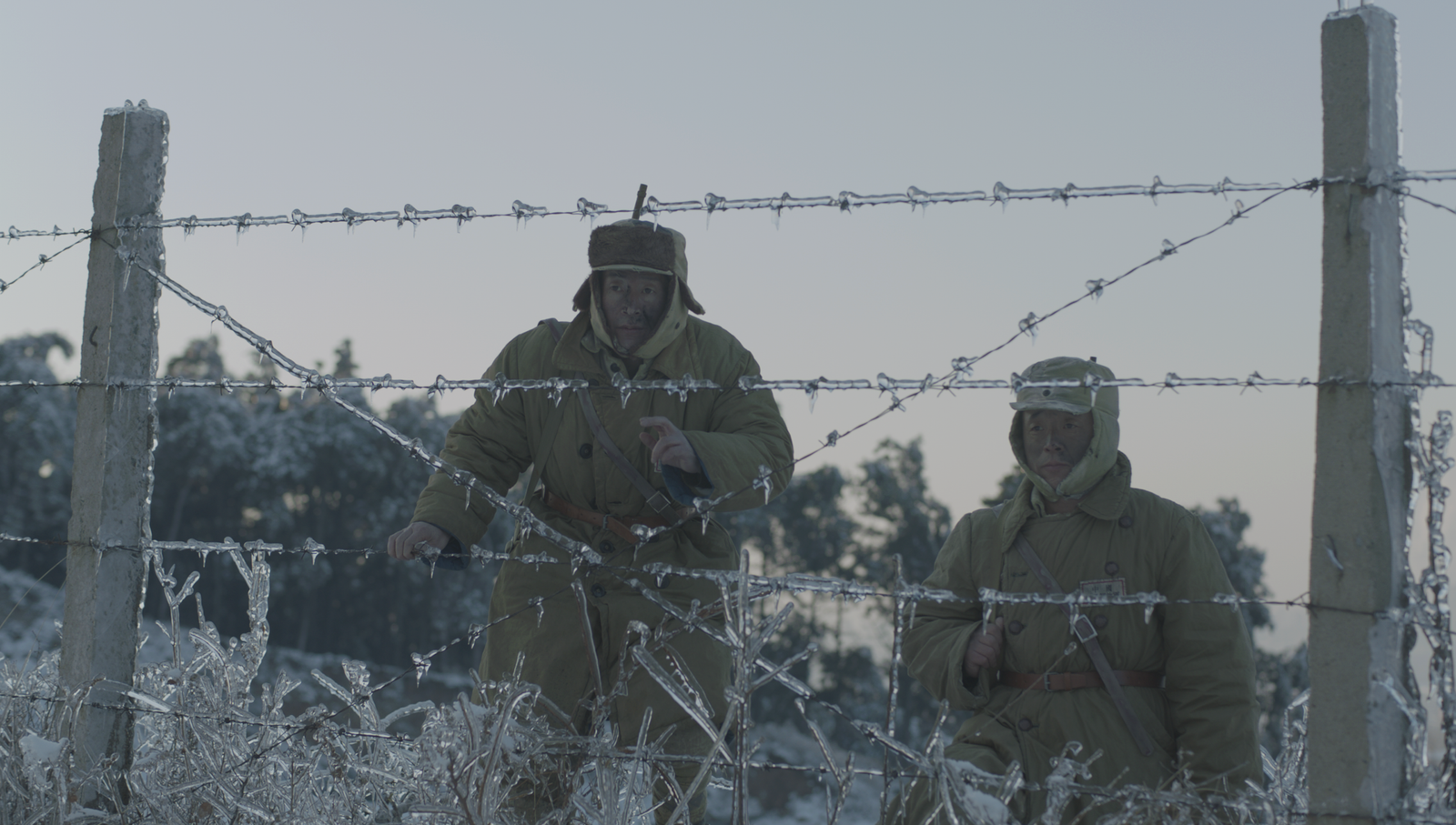
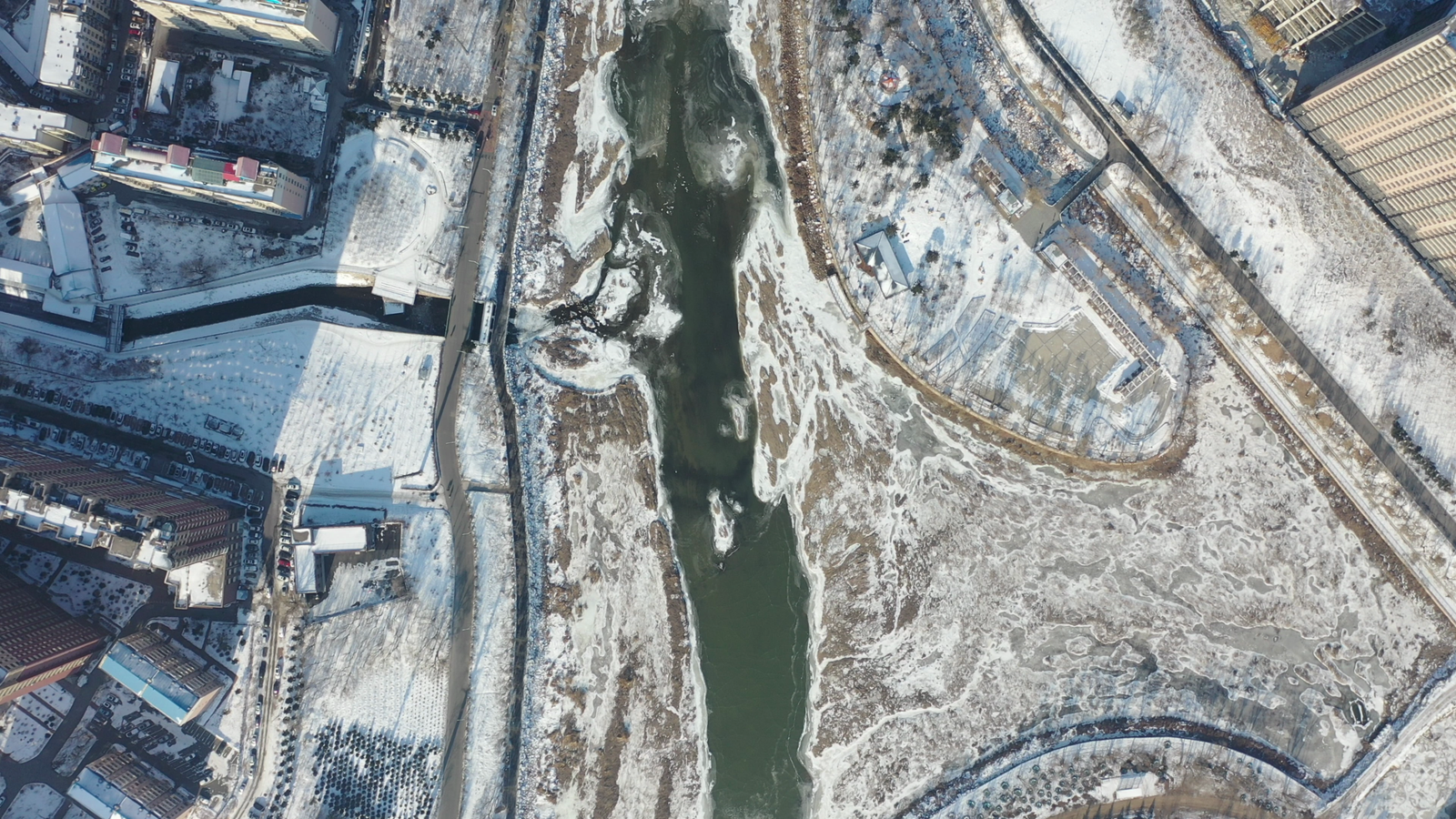
Wang Tuo, Tungus (2021). Video stills.
The film centres on two Korean soldiers who first fought with the Chinese against the Japanese, and then with the Communists against the Kuomintang, who are trying to find their way back to Jeju – which is simultaneously experiencing its own uprising. Interspersed with this story are scenes in which an aging, starving scholar prepares his own suicide. The two soldiers trudge on, only to find themselves in a liminal Groundhog Day.
Chinese intellectual Sun Ge writes about the field of Asia through the lens of fūdo, “the natural geographical characteristics possessed by a given region or geographical space. The combination of these characteristics with the particular spiritual life of people via social activities is called fūdo.”6 Pan-shamanisation then, according to Wang Tuo, is Northeast Asia’s fūdo, as long as collective traumas remain unhealed.
The next film, Mooni Perry’s Missing (2024) has resonances with pan-shamanisation but is rooted in a cosmology of disappearance, loss, women’s lives and Taoism. Beginning in Taiwan and unfolding towards Berlin where the Korean artist is based, the film features five main protagonists: T, a detective who secretly helps women disappear; K, searching for what they have lost in Taiwan; J, drifting after an eating disorder; I, a performer reenacting the Buddhist “Ten Bulls”; and F, who has withdrawn from the world in a long depression.
Resisting fixed ideas of home, roots and identity, Perry employs Taoism as a fluid framework that shapeshifts according to locality, allowing those who need it to remain lost.
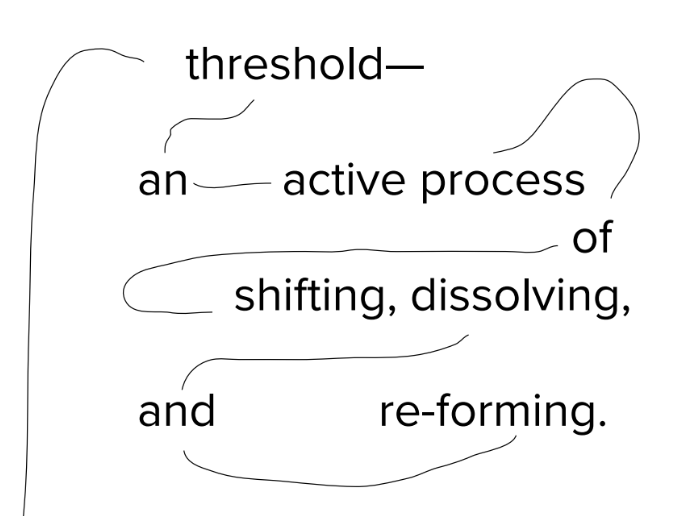
In her artist statement, Perry writes, “I am drawn to disappearance as a threshold—an active process of shifting, dissolving, and re-forming. In Taiwan, I encountered Taoist practices that understand life as continual transformation shaped by devotion, locality, and unseen forces.
Missing emerged from these encounters and from my own movements across cities, languages, and queer diasporic networks. The multi-channel structure follows the way memory circulates: fractured, overlapping, resonant. The installation becomes a space where loss turns into creation and where disappearance becomes another form of presence.”
Terra emerges here not as a geopolitical entity but as a form of networked relations, something that science-fiction novellas like Neon Yang’s silkpunk Tensorate series also explore, remapping the world according to interiority.

Mooni Perry, Missing (2024). Video stills.
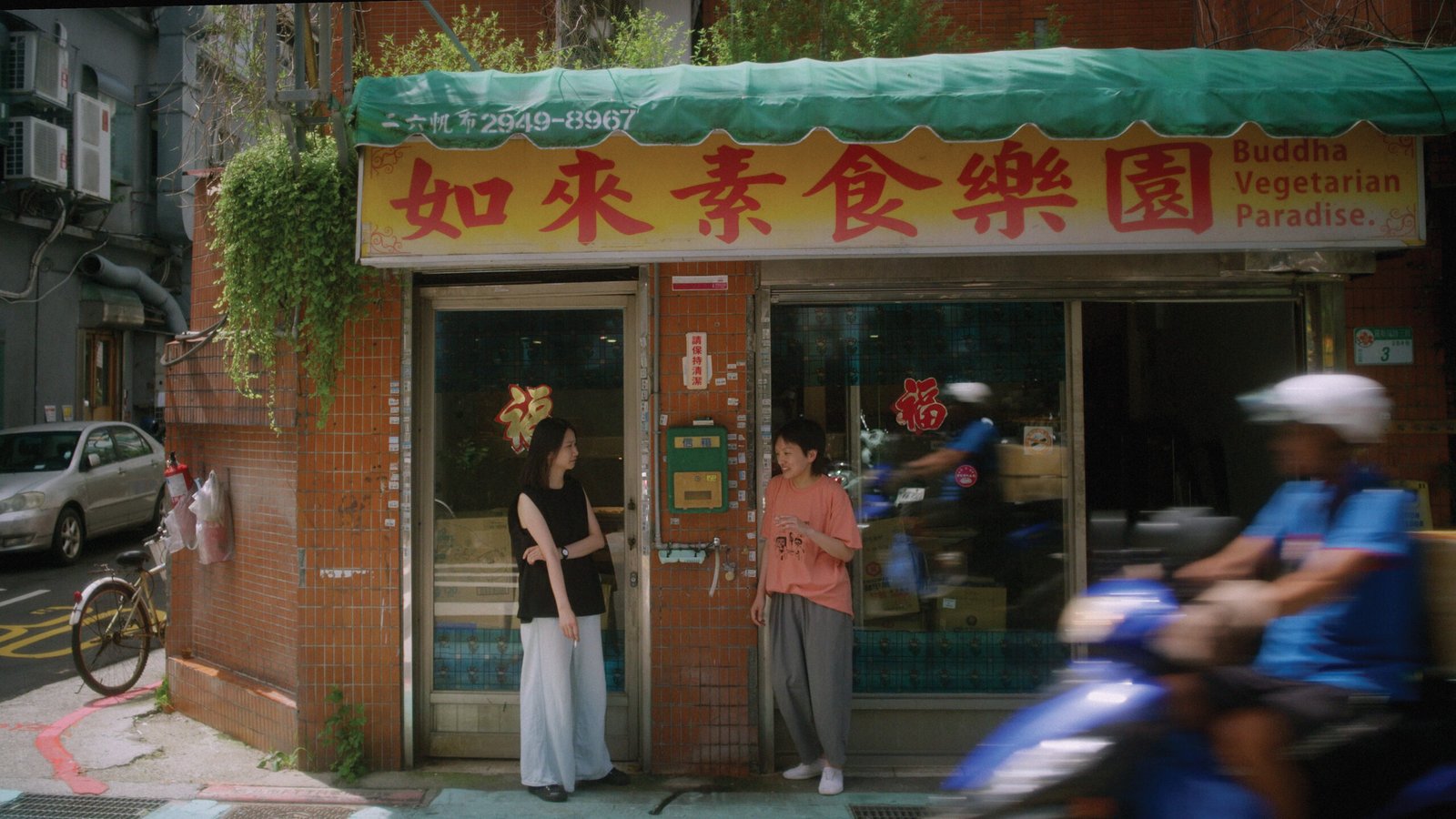
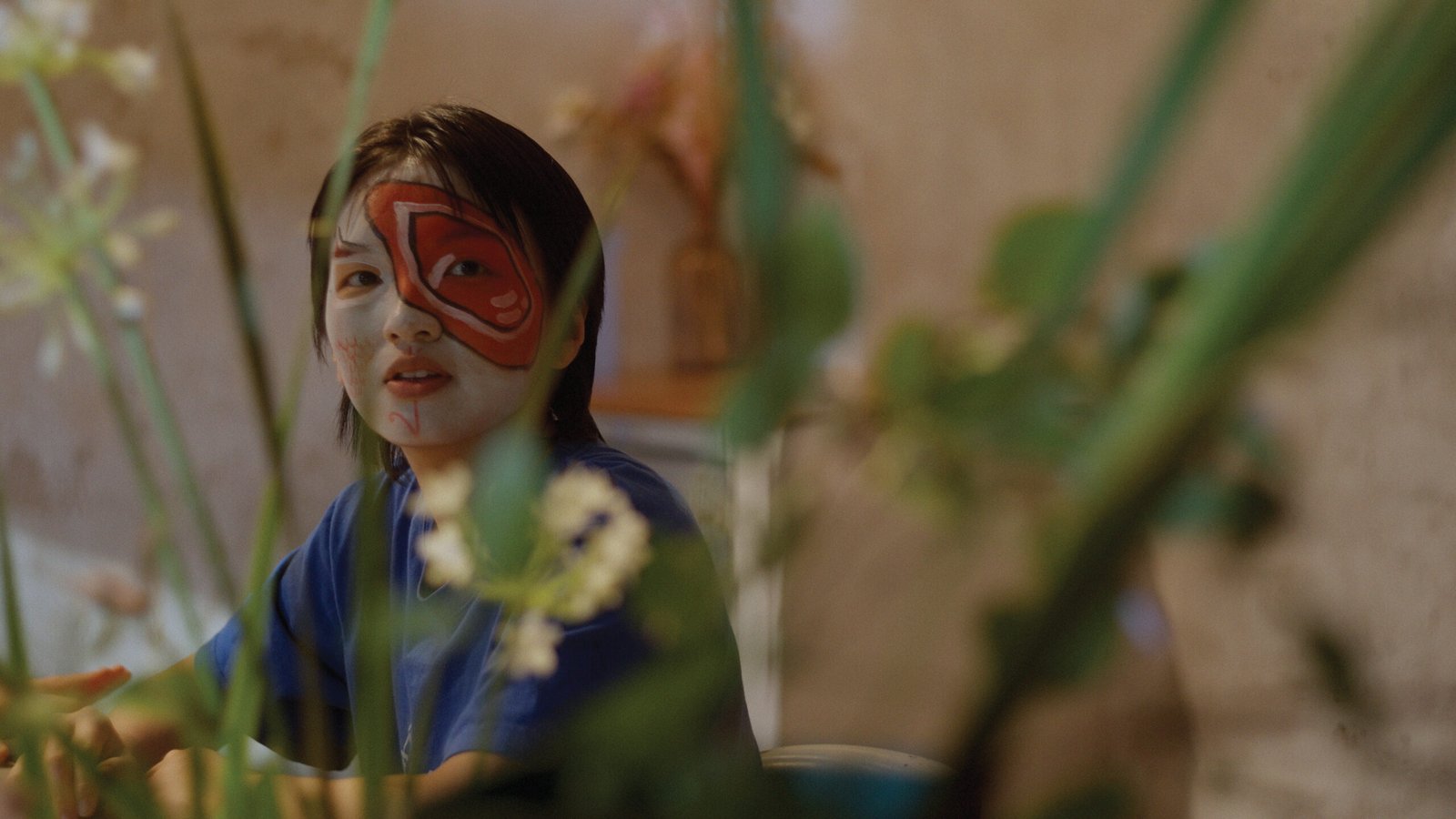

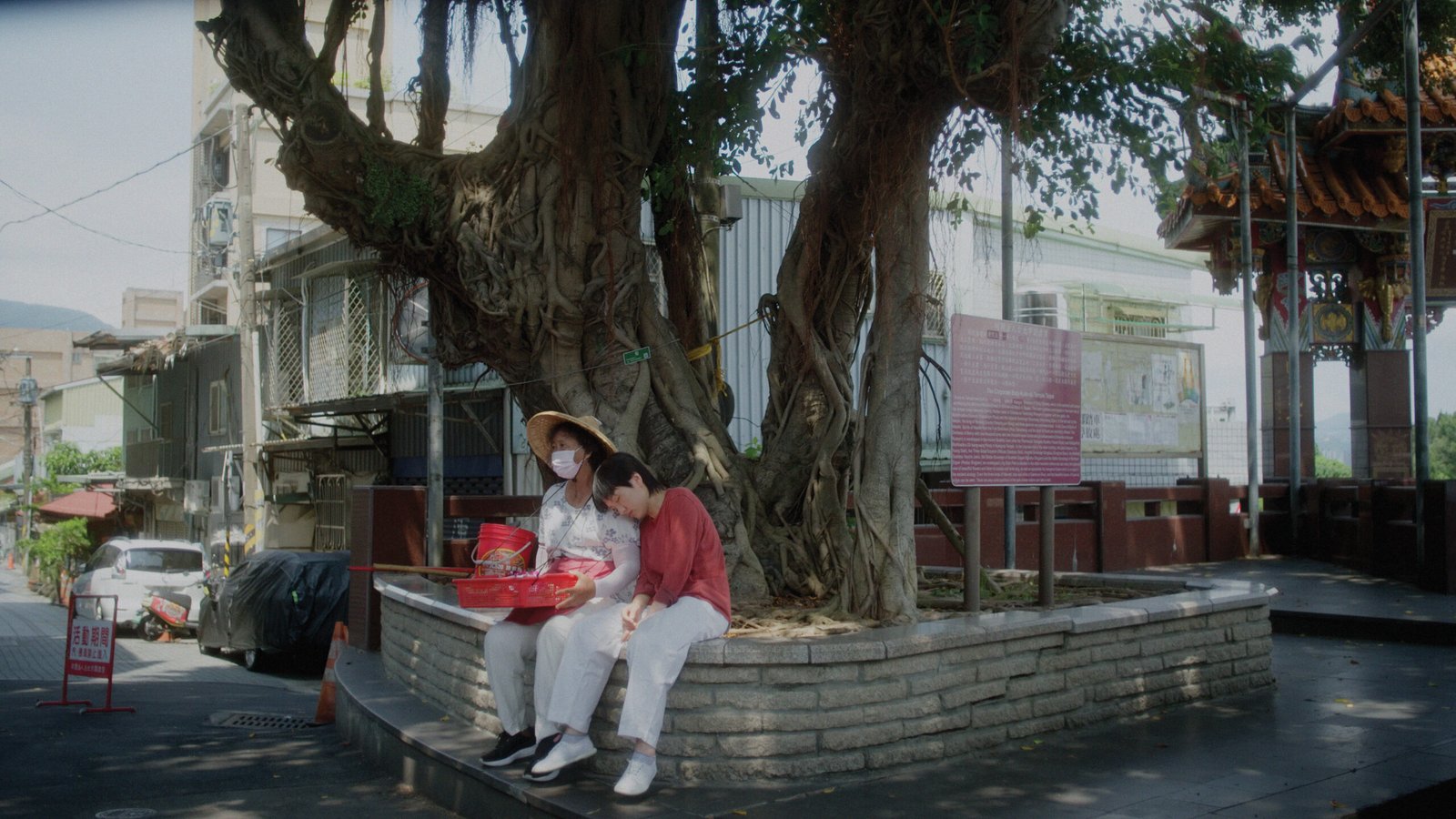
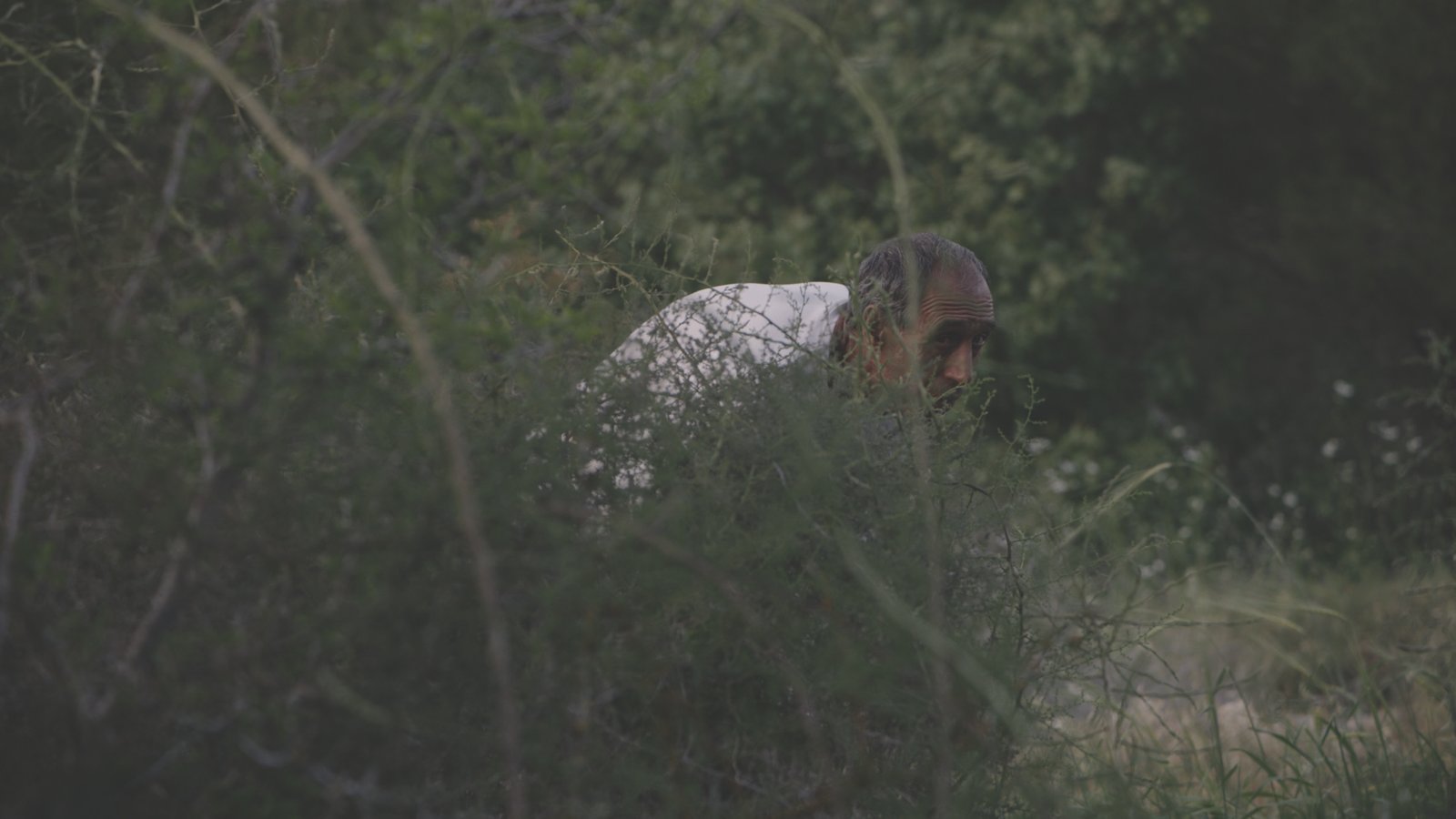
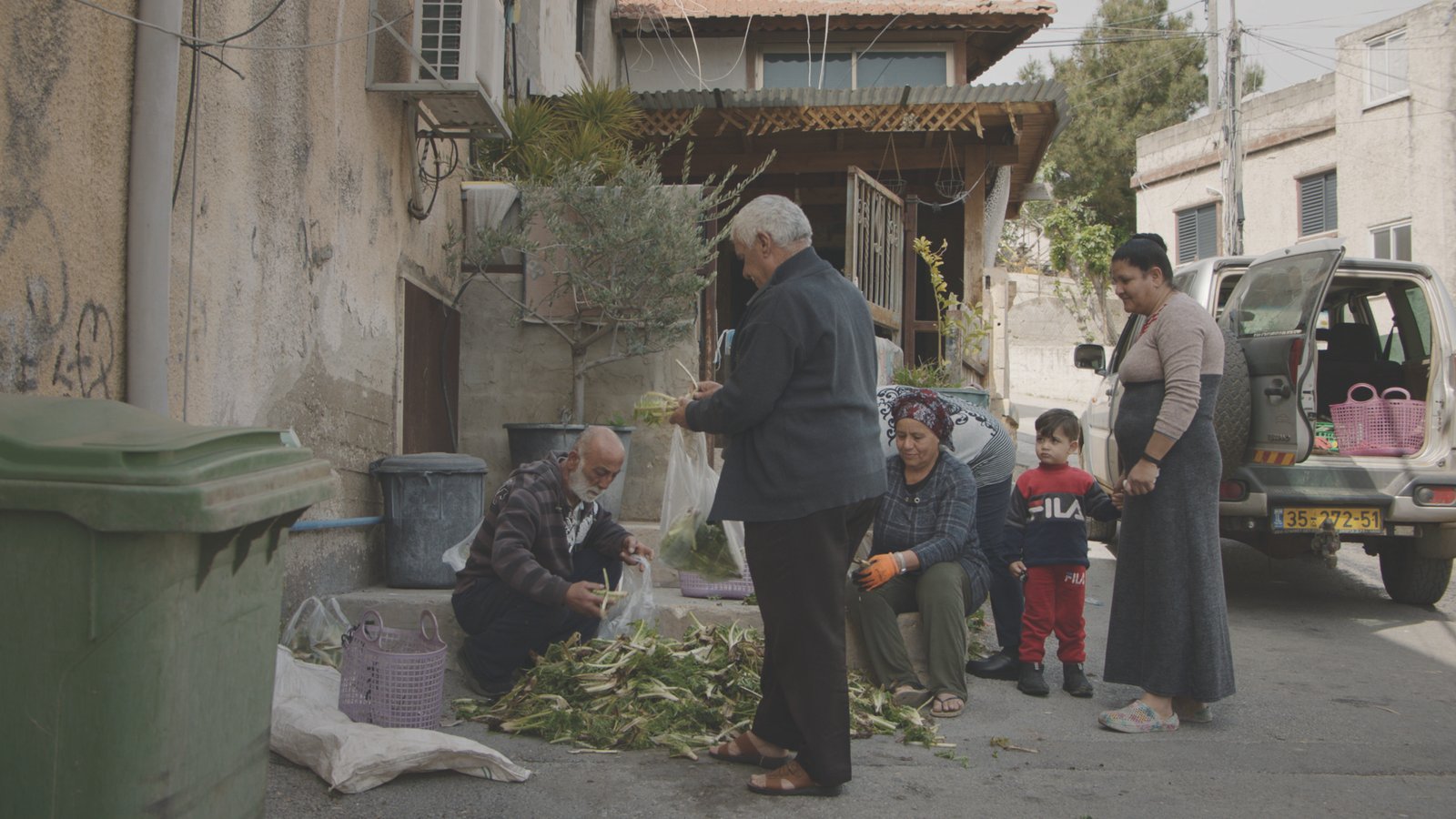
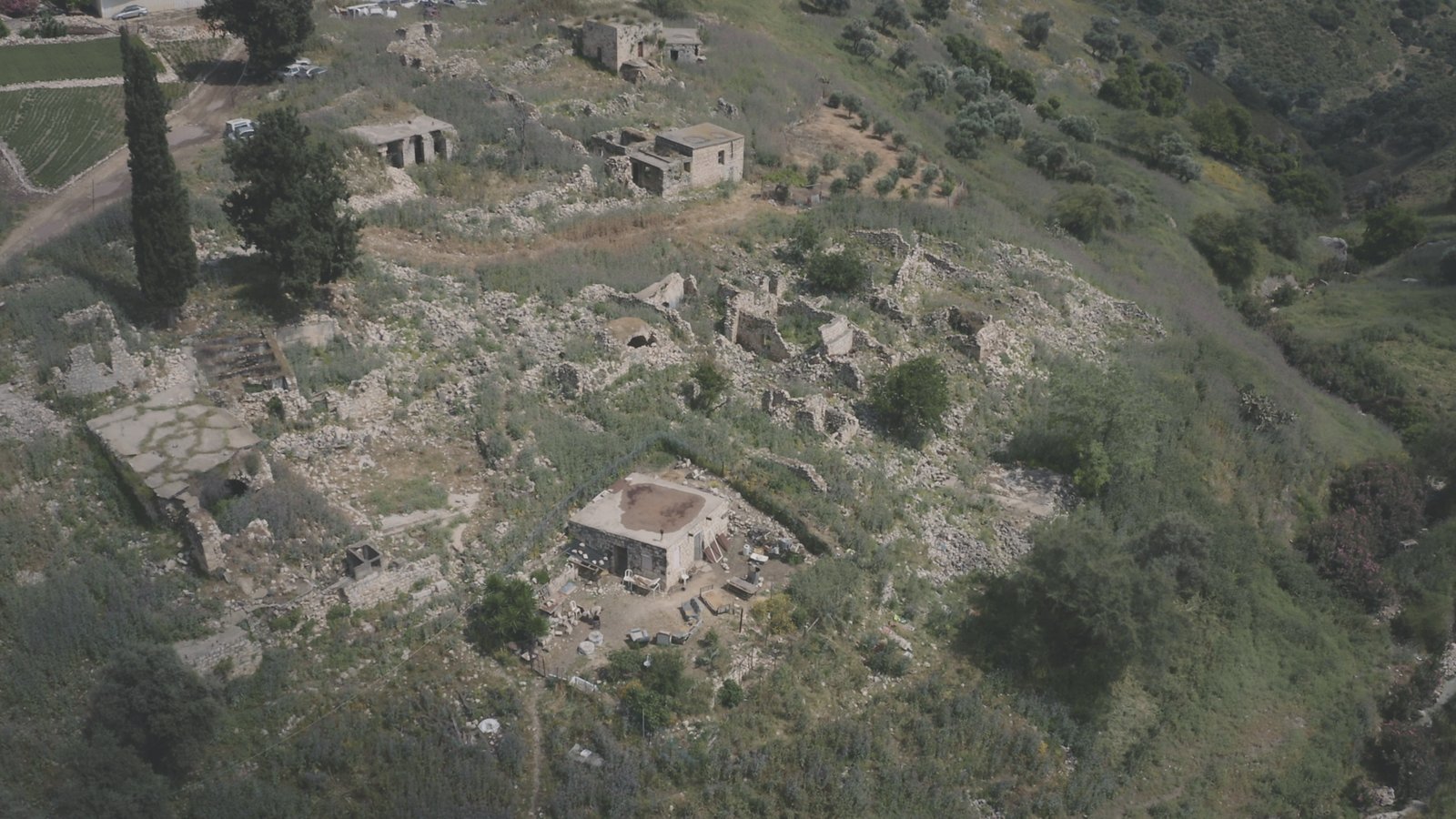
Finally, Jumana Manna’s Foragers (2022) provides a powerful end to the programme, examining what is made extinct and what gets to live on. Shot in the Golan Heights, the Galilee and Jerusalem, the film employs fiction, documentary and archival footage to depict the practice of foraging for wild edible plants in the region. Focused on the indigenous ’akkoub and za’atar (thyme) and the prohibitive legislation by the Israeli state around it, the film calls into question not only apartheid, but the colonial construction of science and ecology in the region.
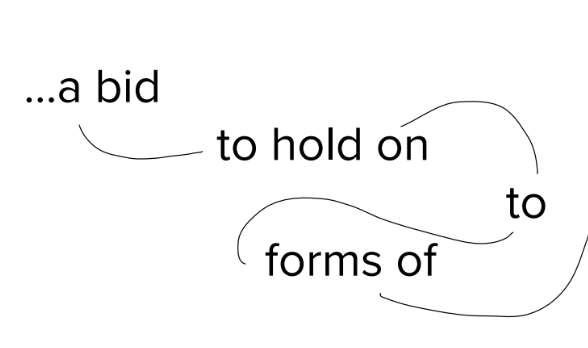
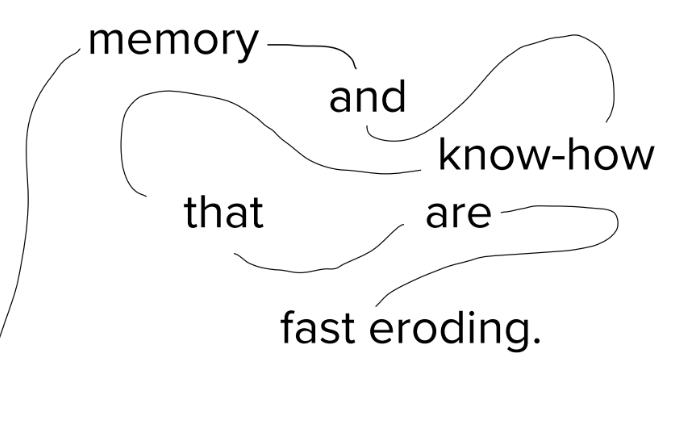
In an essay published on e-flux Journal, Manna writes, “Foraging these plants is part of a bid to hold on to forms of memory and know-how that are fast eroding.”7 As Palestinians grow more and more distant from their ancestral lands, Manna’s insistence on the importance of sensorial and embodied knowledge remains all the more pressing.
It is a practice rooted in geography, for which plant life is more than physical sustenance but a philosophy passed through generations. It is through these ways of interfacing with the world that one finds belonging.
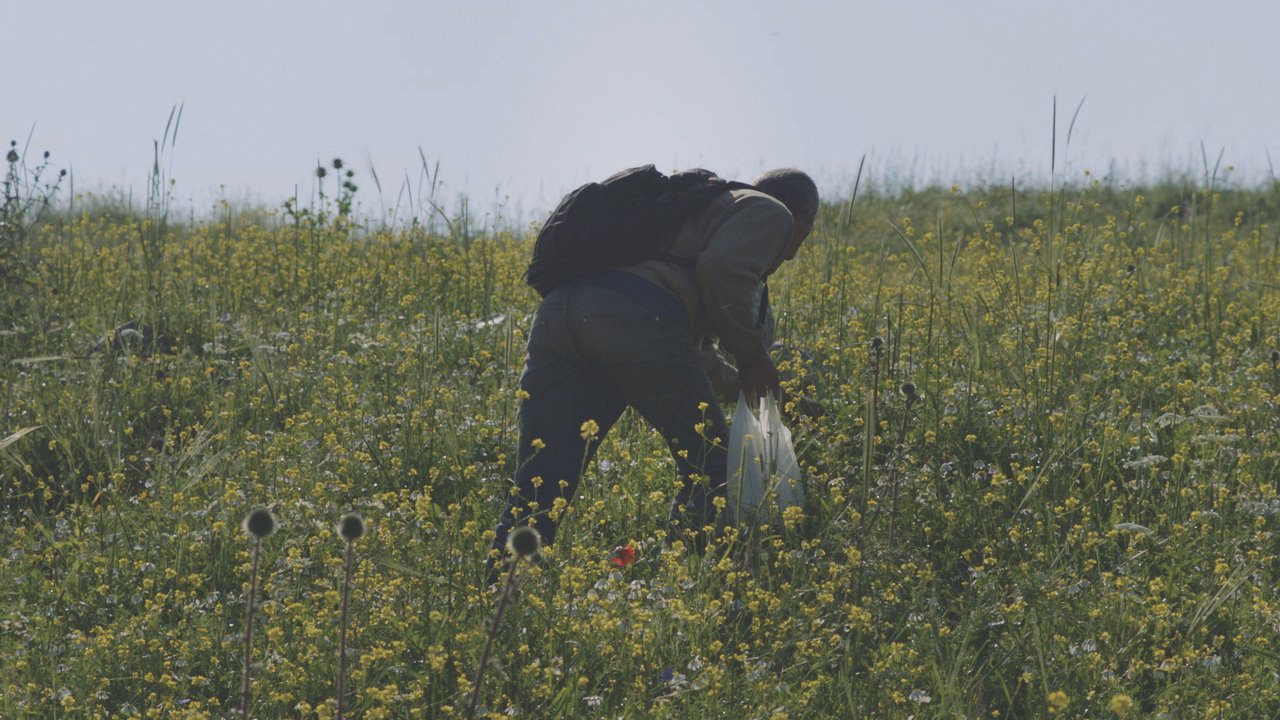
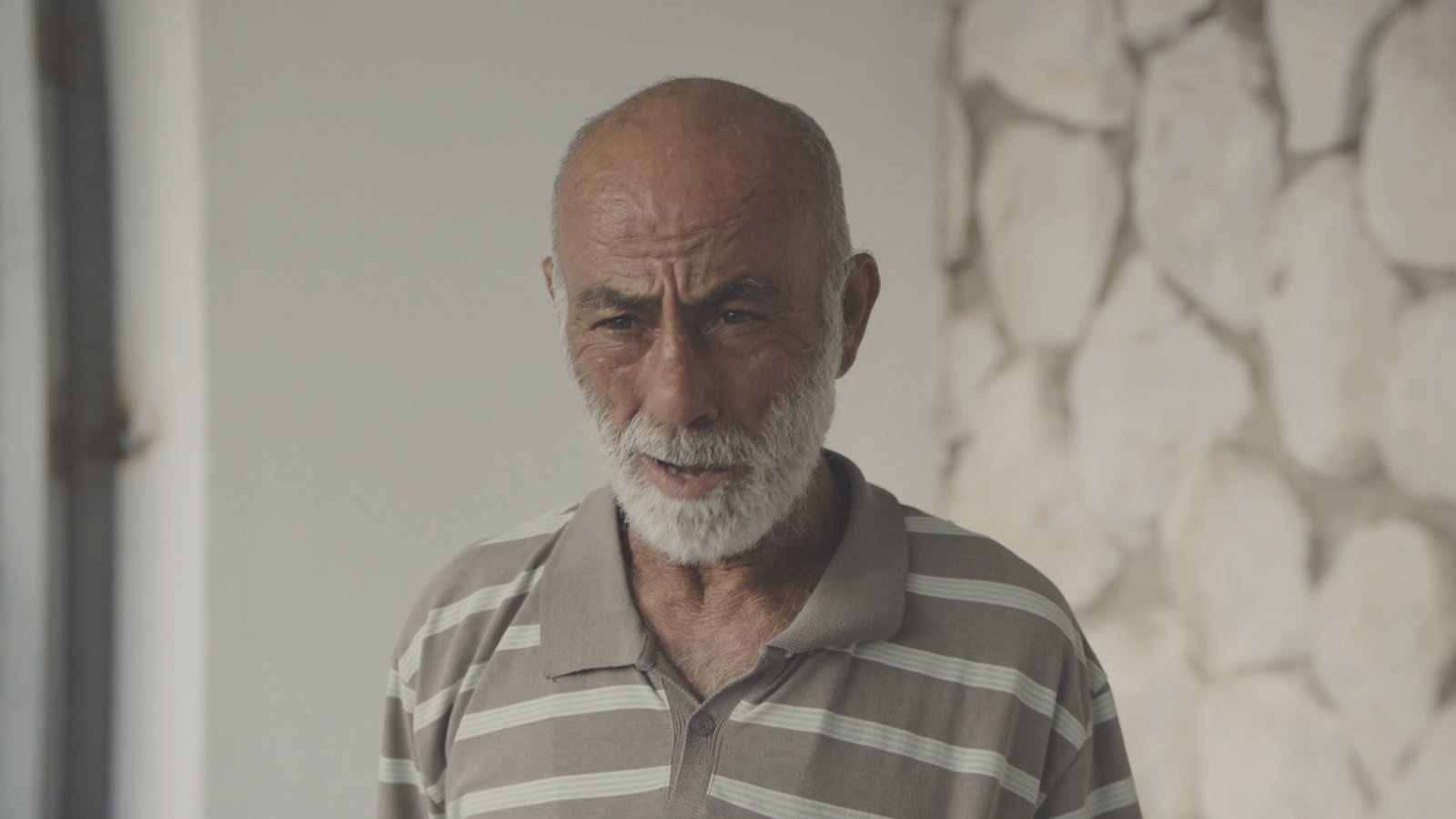
Jumana Manna, Foragers (2022). Video stills.
CREDITS
All images from The Moon is Wet courtesy of Charmaine Poh.
All images from Sandcastles courtesy of Carin Leong.
All images from Missing courtesy of Mooni Perry.
All images from Foragers courtesy of Jumana Manna.
All images from Random Access courtesy of He Zike.
All images from Tungus courtesy of Wang Tuo.
FILM DETAILS (IN VIEWING ORDER)
Charmaine Poh
https://charmainepoh.com/The-Moon-is-Wet
The Moon is Wet, 2025, 25 mins
Carin Leong
https://fieldofvision.org/shorts/sandcastles
Sandcastles, 2024, 17 mins
Zike He
http://www.hezike.cn/under-the-cloud/randomaccess/
Random Access, 2023, 14 mins
Wang Tuo
https://tuo-wang.com/the-northeast-tetralogy/tungus
Tungus, 2021, 69 mins
Mooni Perry
https://mooniperry.studio/missing/
Missing, 2024, 5-channel video installation, 64 mins
Jumana Manna
https://www.jumanamanna.com/Foragers
Foragers, 2022, 64 mins
ARTISTS’ BIOGRAPHIES
Carin Leong (b. Singapore) is a Singaporean documentary filmmaker and multimedia journalist based in Brooklyn. Her work explores themes of science, cultural memory and landscapes. Her film, Sandcastles, produced by Field of Vision and selected as a Vimeo Staff Pick, premiered at SXSW in 2024 before screening at festivals such as AFI Fest, HotDocs, New Orleans Film Festival, and the Singapore International Film Festival, among others. Her projects have been supported by Aesthetica Short Film Festival, DOK Leipzig, and the Untitled Filmmaker Organization, where she is now a Fellow. In 2024, she was recognised by Filmmaker Magazine as one of the 25 Faces of Independent Film.
Carin’s work has been featured by outlets including Scientific American, Hakai Magazine, and The Atlantic. She holds a master’s degree in science journalism from Columbia University’s Graduate School of Journalism and is also a graduate of New York University’s Tisch School of the Arts.
He Zike (b. 1990, Guiyang, China) is an artist who works with mediums including video, writing, performance, prints, and computer programs. By incorporating personal memories into her research and fieldwork, He Zike’s practice illuminates the interplay between time, mundane lives and the technological environment. She weaves the disorder beneath the surface of contemporary life through a narrative approach.
She was a finalist for the 5th VH Award of Hyundai Motor Group and was selected in the residency program of Pro Helvetia, the Swiss Arts Council in 2023. From 2021, she has co-initiated the interdisciplinary project Under the Cloud which visits and studies the technological infrastructure in Southwest China. Her works have been exhibited in Whispers on the Horizon, Taipei Biennale (2025); Cosmos Cinema, Shanghai Biennale (2023); Dream Screen at Leeum Museum of Art (Seoul, 2024); and Stay Connected: Navigating the Cloud at Taikwun (Hong Kong, 2025) among others.
Wang Tuo (b. 1984, Changchun, China) interweaves historical facts, cultural archives, fiction and mythology into speculative narratives. Equating his practice to novel writing, he stages an intervention in historical literary texts and cultural archives to formulate stories that blur the boundaries of time and space, facts and imagination. Through film, performance, painting, and drawing, the artist’s work is a powerful examination of modern Chinese and East Asian history. The multidimensional chronologies he constructs, interspersed with conspicuous and hidden clues, expose the underlying historical and cultural forces at work within society. Embracing a uniquely Chinese hauntology, Wang proposes “pan-shamanisation” as an entry point to unravel the suppressed and untreated memories of 20th century China and East Asia. Through historical inquiry, Wang’s works, often unsettling and dramatic, disentangle collective unconsciousness and historical traumas. His more recent work critiques contemporary conditions of censorship, more specifically the tensions within the push and pull between artist and authority.
Wang has recent solo shows at K21, Kunstsammlung Nordrhein-Westfalen, Düsseldorf; UCCA, Beijing; Present Company, New York; Salt Project, Beijing; Taikang Space, Beijing, and recent group shows at M+ Museum, Hong Kong; National Museum of Modern and Contemporary Art, Seoul; Julia Stoschek Collection, Düsseldorf; Staatliche Kunsthalle Baden-Baden, Baden-Baden; Queens Museum, New York; Kino der Kunst, Munich; Zarya Center for Contemporary Art, Vladivostok; Incheon Art Platform, Incheon; Power Station of Art, Shanghai; OCAT, Shenzhen & Shanghai; Times Museum, Guangzhou; National Taiwan Museum of Fine Arts, Taichung. Wang Tuo was an Artist-in-Residence at the Queens Museum, New York from 2015 to 2017. He won the China Top Shorts Award and the Outstanding Art Exploration Award in Beijing International Short Film Festival 2018. Wang Tuo is the winner of the Three Shadows Photography Award 2018 and the Youth Contemporary Art Wuzhen Award 2019. He was awarded a research residency at KADIST San Francisco as part of the OCAT x KADIST Media Artist Prize 2020. He won the Sigg Prize 2023 and in 2024 was the recipient of the K21 Global Art Award.
Mooni Perry (b. 1990, Seoul, Korea) is a Berlin-based artist whose moving-image practice weaves together long-term field research, feminist cosmologies, and vernacular ritual cultures across East Asia. Her work examines disappearance, women’s ritual practices, and Taoist cosmologies, often unfolding in multi-channel installations exploring simultaneity and layered memory.
Her recent film EL (2025), exhibited at the National Museum of Modern and Contemporary Art, Seoul, revisits the lives of Korean women in former Manchuria, blurring lines between memory and disappearance. Her installation and publication Missing (2024) unfold as a poetic inquiry into female Taoist communities, displaced sanctity, and the generative power of being lost. She has also exhibited at institutions such as Westfälischer Kunstverein, Münster; KW Institute for Contemporary Art, Berlin; Neuer Berliner Kunstverein, Berlin; Kai Art Center, Tallinn; and ARKO Art Center, Seoul. In 2021, she received the ars viva prize.
Jumana Manna (b. 1987, New Jersey, USA) is a visual artist and filmmaker. Her work explores the articulations of power through the body, land and materiality in relation to colonial inheritances and histories of place. Moving between the seemingly divergent media of cinema, abstract sculpture, and collage, Manna addresses how performing bodies, material fragments, and landscapes both desire and narrate pasts, presents, futures that persist and resist the violences imposed upon them. Her recent work has dealt with the paradoxes of preservation—particularly with regards to land practices and the law—probing the tension between the modernist traditions of categorisation and conservation and the unruliness of ruination, life and regeneration.
Manna is Moving Image Associate Chair at Bard’s MFA program, Annandale-on-Hudson, NY. She was previously a visiting lecturer at Harvard University, the Academy of Fine Arts Munich, and has taught at Homeworks Space Program, Beirut and Birzeit University, Palestine. Jumana is represented by Hollybush Gardens Gallery, and her films are distributed by LUX. She lives in Jerusalem and Berlin.
Charmaine Poh (b. 1990, Singapore) is an artist from Singapore working across media, moving image, and performance to peel apart, interrogate, and hold ideas of agency, repair, and the body across worlds. She aligns herself with strategies of visibility, opacity, deviance, and futurity.
She has exhibited at the Singapore Art Museum, the Seoul Museum of Art, Blindspot Gallery, REDCAT LA, esea contemporary, and the 60th Venice Biennale: Foreigners Everywhere, among others. In 2019, she was one of Forbes Asia’s 30 under 30 in the arts. Her work has been collected by institutions such as Vega Foundation, Sunpride Foundation, and KADIST. She was recently named Deutsche Bank’s Artist of the Year for 2025 and is a recipient of the Villa Romana Prize 2026. Her solo exhibition, Make a travel deep of your inside, and don’t forget me to take, will travel from PalaisPopulaire in Berlin to MUDEC Milan in fall 2026.
Based between Berlin and Singapore, she is a co-founder of the magazine Jom and a member of the Asian Feminist Studio for Art and Research (AFSAR).
References
1 The majie were Cantonese amahs from the district of the Pearl River Delta in south China who took customary vows to resist marriage—many moved to Canton, Hong Kong, Macao, and Southeast Asia and became domestic servants. Yip Hon Ming and Sally Ka-Wing Lo, “The Last Generation of the Majie (Cantonese Amahs) in Hong Kong: An Oral History Archive.” CUHK Library, September 2021, https://repository.lib.cuhk.edu.hk/en/collection/majie
2 “Sand grab: how Singapore’s growth is taking the land out from under Cambodians’ feet.” Aeon, 28 February 2019, https://aeon.co/videos/sand-grab-how-singapores-growth-is-taking-the-land-out-from-under-cambodians-feet
3 Fan Fei Fei. “Deft push to develop big data.” China Daily, updated 22 September 2022, https://global.chinadaily.com.cn/a/202509/22/WS68d0a2a3a3108622abca20a4.html
4 Prof. Bingchun Meng. “The hidden production line behind AI.” The London School of Economics and Science, 27 May 2025, https://www.lse.ac.uk/research/research-for-the-world/ai-and-tech/data-centres-behind-ai
5 Wang Tuo. “Tungus: Wang Tuo introduces his newest film.” EastEast, https://easteast.world/posts/371
6 Aimee Lin. “Sun Ge.” ArtReview, 29 Jan 2016. https://artreview.com/aw-2015-ara-feature-sun-ge/
7 “Where Nature ends and Settlements begin.” e-flux Journal, Issue #113, November 2020, https://www.e-flux.com/journal/113/360006/where-nature-ends-and-settlements-begin
Research Note: First Walk (5 September 2020)
We followed our curiosity to the forest.
The village of Kaliurang was unusually empty that day. The two of us walked past the residential areas for an hour before taking a turn into the community forest (Hutan Rakyat). After a while, we turned right, further away from the agroforestry area where we found a recreational spot devastated by one of Mount Merapi’s many eruptions.
We went deeper and deeper into the forest. Our aim was to find the nearest water resource which we believed to be located across the hill. We could already hear the water but we could not see it. It did not bother us. We took the less-travelled footpath down the hill into a ravine. We were fascinated as we immersed ourselves into the green and shadowed depths of it. The air was crisp and cool and it smelled—green. Like a combination of fern, moss, wet ground, and foliage; we could almost taste it. The ravine was dense and lush with bamboo, kaliandra, and wild shrubs. We took a moment to take it all in: the complex freshness in the air, the sound of our steps on dried bamboo leaves, the birds, the rustling wind touching our skin.
As we climbed along the hill, the landscape changed from the narrow and cold ravine to a dense tropical montane ecosystem overgrown with various irregular, dark, and unkempt plants. There was no visible footpath and some areas were covered in cobwebs. We kept going up—heading North. What we first noticed was how messy and unusual the shape of the trees around that area was. Soon we realised the forest we were walking in was the same one that got struck with pyroclastic flow ten years ago. The trunks were burnt and the trees felled but the roots remain resilient and growing—some horizontally before going up to find more sun.
We arrived at an open field that led to a pasture. There, we found a big tree on the ground. The old white bark was like that of an elephant’s wrinkled skin. We were fascinated. To me, the dead tree reminds me of a much smaller version of Henrique Oliveira’s tree installation. I traced the surface with my hand, admiring the colour, feeling the hard flaky texture as I touched it—or rather, as it touched me. The air was clean and crisp. Around us was the sound of birds whirring and chattering, an animated natural world. I felt like I was in my element—immersed as part of it. It embraced us. We were high on tactile stimulation and experience of senses. It took us a while to get back to reality even though ironically we felt so close to the ground.
It was 15 years since I had been this close to Mount Merapi, when I had walked down the path my late father and I frequently used to take. As this dawned on me, I realised that we had gotten too close to the currently active volcano and did not know which way to go; we were lost!
[...]
The day when we, one of the artists and I, were lost in the forest, was the day we started the first walk for a series of field research conducted under two art projects: “Pollination #3: Of Hunters and Gatherers”1 and “900mdpl: Genealogy of Ghosts and How to Live with Them.”2 Framed by these as contexts, from 2020 to 2022, a series of field research was carried out at the southern slope of Mount Merapi. My research was rooted and centred around the volcano, focussing on the idea of ‘local embodied knowledge’3 and how it can be a tool to exercise environmental sustainability of the area. The research and learning process was mostly conducted orally through conversations with the elderly and gathering experiential knowledge by walking.
In Javanese, mlaku (to walk) is rooted in the word laku (translated as steps or deeds). Laku does not only mean footsteps but also a learning process to understand the meaning of things as well as the hidden meanings behind it. Laku refers to learnings gained through bodily experiences under specific circumstances, as well as those passed down orally from one generation to another in the form of local rituals, ceremonies and embodied knowledge. Laku is inclusive and contains an element of internalising values by getting involved. It requires a progressive and stimulating process to reflect and learn about the harmony between the human mind and the universe. Here, walking becomes a crucial step to take. To walk is to understand things a little better: through the touch, the sensorial experience, the pondering and the long conversations, and the findings—mythologically, philosophically, and scientifically. This learning process is similar to that of de Certeau’s idea of walking as an elementary experience to turn a place into a practiced space, a text one can read.4
That first walk when we were lost in the forest was a humbling experience. In getting lost, we extend our boundaries and venture bravely into a landscape that is foreign and new. Walter Benjamin once wrote that to be lost is to be fully present, and to be fully present is to be capable of being in uncertainty and mystery.5 The experience might not be long nor dramatic, but one might return home slightly changed after venturing into the unknown. Looking back, I remembered how I entered the forest with the blissful awe of an outsider, ignorant of the fact that the route we blindly took might be leading us astray and closer to the dangerous volcano. Our confidence gave us a false sense of security.
I am a native of the area, we did a series of conversations with the elderly prior to the walk, and we use Google maps to guide our way. We thought we knew enough to venture into the forest by ourselves. When one thinks of a new landscape as text,6 the forest just a few kilometres away from my village had apparently undergone a translation into an unknown language.7 The experience got me thinking about how distant I was to the embodied knowledge of my ancestors.
[...] I tried to remember what my late father taught me to do in such a precarious situation: first, keep your mind calm and clear and pay attention to your surroundings; second, acknowledge that you are lost and try to locate the path which you had taken. I took a deep breath and studied the landscape around me. We turned back and headed south for a while until we finally found an open pasturage.
Down there was a river, so pristine and fresh: we were finally at ease.
After our hard lesson, we started taking different ‘translators’ of the landscape to our walks: grass forager, member of the search and rescue team, agroforestry farmers, tourist hiking guide, and so on. Those who work under Mount Merapi are the native speakers of its landscape who have learnt the language early in their life and eventually become fluent in it. I imagined how to them, returning to the wilderness might feel like re-reading an old book or speaking in their mother tongue. Over time, their bodies became the unwritten archive of that site-specific knowledge. But this leaves us with the question: when knowledge is transmitted orally or through embodied experience, what is the proper academic protocol and citation process? Were stories and myths properly cited or were they considered and dismissed as backward/unmodern knowledge?
It reminded me of a particular anecdote about Bu Pujo, the rare flower picker.8 Bu Pujo was the right-hand woman of Mbah Maridjan, the late custodian of Mount Merapi. She was always there by his side whenever a ritual took place. She was the ‘mother’ who took care of climbers who were about to climb Mount Merapi. She was also the one who prepares the food and offerings for the annual procession of labuhan.9 When the labuhan is done and everyone has returned to their houses, Bu Pujo holds the crucial final task. In silence, she (and only she) will travel to the untravelled part of Mount Merapi, all the way up the slippery lava bed of Watu Kemloso, in order to find two rare flowers to be given to the Sultan of Yogyakarta as a proof that the ritual is completed. She passed away after the pyroclastic flow of the massive volcanic eruption hit her village in 2010. The eruption also took the spiritual custodian, Mbah Maridjan; it devastated 13 villages and damaged 867 hectares of forest land and killed more than 350 people. I can only wonder how she learned of the secret path to find the sacred rare flower. Did someone teach her how to read the ‘map’? Did her mother take her along the path when she was a little girl? Did she find the location where the rare flowers grew when she was grass foraging? Did she ever pass along the knowledge of how to get there before she passed away?
The annual labuhan procession is a form of offerings by the Sultanate of Yogyakarta to his spiritual allies of the mythical kingdom of Mount Merapi in the north and the queendom of Nyi Roro Kidul of the Indian Ocean in the south. Yogyakarta is surrounded by those two unpredictable and potentially dangerous forces of nature and the labuhan procession is a way to ask for protection from the geological Gods and as a form of philosophical balance between human, God, and nature.
The ritual pathways of the labuhan procession to Mount Merapi have been used since the 17th century by the Islamic Mataram Kingdom.10 Hundreds of people would gather every year to witness the labuhan ceremony and follow the lead of the late spiritual custodian of Mount Merapi and his team on the mass-walk. To walk along the ritual pathways of the labuhan ceremony is part of the laku for those who participated, whether for practical, philosophical, or spiritual reasons.
Even if Javanese mysticism has been integral to the daily life of people who live under Mount Merapi, the old debate and sentiments over the ‘modern’ science versus the ‘backward’ spirituality of Javanese ‘village mysticism’ is perpetual. Within the realm of this debate, the ‘local embodied knowledge’ is marginalised and inferior to that of science and volcanology. But historically it was not necessarily the case. Mysticism and science have actually been subtly collaborating from the beginning. When colonial scientists started to forge the volcanology in Java in early 20th Century, they took the same ritual pathways of the labuhan, accompanied by local mantri (researcher’s assistant) or kuli (porters) to do their fieldwork.11 Bobbette in his essay stated that “Colonial scientific knowledge (though the scientists themselves were not always aware of it) was enabled and shaped by the spiritual geographies that preceded their arrival to central Java.”12 It made me wonder how the scientists incorporated these embodied knowledges of the people who guided their way. Can embodied local knowledge traverse beyond the realm of a footnote into a properly credited idea to be incorporated into the main body of the paper and equally acknowledged in academic essays? But, here we ask, is it even necessary to follow the same academic protocol for a completely different knowledge system?
We were lucky enough to find our way home despite our inability to read the landscape. The experience reminded me of the local hearsay about a particular sister and brother, Lik En and Lik Es. They were the fifth- and sixth-born of an esteemed family in Kaliurang. Their parents were known for their sincere generosity. By the age of 17, Lik En lost her mind and started wandering around the village aimlessly, talking to herself. Her brother Lik Es’s mind had derailed earlier before he even turned ten years old. The family took care of Lik En whose story is lesser known to the public while her brother, though he lived in a house in the middle of a dense neighbourhood, remained undisturbed by the world that goes around him. His peculiarity left a mark on his neighbours who genuinely cared for and loved him.
In 2015, Lik Es went on a walk to forage for grass at the slope of Mt. Merapi and never returned. People believe that he went missing somewhere near Hutan Bingungan (the Forest of Confusion). For three months, the Search and Rescue (SAR) team went out to try to find him with no result. A year later, a local shaman believed that the spirit of Lik Es showed him the way and the search continued with no result. Later, people believe that he went into ‘another spatiality’.
People in the neighbourhood regularly clean the remnants of his house, and his family never sold that piece of land, all believing that one day he might find his way back home. That belief was not without a reason. The sister, Lik En, had gotten lost in the same forest of Mt. Merapi several times before. Sometimes she would walk into a forest at the slope of Mount Merapi and be found in another city around 50 km away from Kaliurang a few days later, as reported by the local SAR team. Once, she went missing for three years and then returned to Kaliurang as casually as if she had only gone for a walk for the day. Not long before her brother went missing in 2015, she had walked away and never returned since. Probably the siblings were finally able to find a way to a special place that we couldn’t apprehend, learning the language of the place that no one else can.
[...]
Hutan Bingungan or the Forest of Confusion is one of the many mythological forests located at the slope of Mount Merapi.13 Its proximity to the village made it accessible and at the same time, the myth kept it pristine and unspoiled. The forest is believed to be enchanted and cause confusion to people entering it, especially to the untrained eyes. There are anecdotes and stories about different people’s experience of getting confused due to sudden loss of sense of direction. Some say it was as if the position of the volcano was moved and the usual geological markers that we knew cannot be trusted. Grass foragers and firewood collectors would enter in groups and have their own collective systems of navigating the forest and ensuring the safety of one another. The elders in the group would guide their way based on their embodied knowledge of the forest while the younger remained vigilant and memorised the path that they took. Should anyone become confused, he just needed to turn back and locate the same path from which he emerged.
From the generation that grew up in Kaliurang in the 1920s, there is a story of another path, slightly deeper into the forest, that was once used as escape route by Javanese social bandits14 of the early 20th century to transport stolen cows from a neighbouring small town on the other side of Mount Merapi; they would butcher the cows in the forest to sell them to small businesses in Kaliurang. They would steal from colonial elites and corrupt governments as a form of socio-political protests of the lower class against repression, exploitation, and injustice of the colonial government’s agrarian tax policy. This path was later used by small traders and grass foragers post-independence but it was slowly abandoned as modern street infrastructure was built.
This time, I did not follow my curiosity by directly entering the forest (of Confusion) and instead sought answers from the elderly who had experienced entering it themselves. To my surprise, there are more people around me who had entered the forest early in their lives. My uncles and my mother were among those people. When they were young, in the 1960s, their grandmother took them there and taught them how to read the signs: how to spot a safe entrance to the forest, how many steps to take before turning to one’s right or left (never east-west because the height and density of the trees might make a person lose the sense of direction), and more importantly, how to recognise the sign of the human’s footpath to follow instead of waterways which can be easily mistaken for paths to the untrained eyes. At first, their grandmother would lead the way and take them into the forest with her guidance. Later, they learnt to recognise their way and started exploring in and around the nearest tip of the forest themselves.
This learning process is one of the Javanese embodied knowledge-transfer systems starting with niteni (to observe and sharpen one’s sensitivity to natural signs, characteristics, and repeated observation to read natural phenomena), niroake (to mimic), and nambahi (to add value and ensure timeliness and context in responding to natural events that have already been observed, understood, and controlled through the previous two steps).15 The knowledge gained from this bodily experience is dynamic and changing as the landscape changes. It exists as long as the community needs it. When people no longer walk the pathway, the footprints of the predecessors can slowly fade away, replaced by overgrown foliage as the forest regenerates. Knowledge of the pathways is no longer needed to be passed on to the next generation. Anecdotes about the forest become myth, and myth keeps the forest unknown and untouched. Today, Hutan Bingungan is one of the last verges of virgin forests at the slope of Mount Merapi amidst the massive sand mining and tourism industry in the area.
Returning to my initial question, navigating the local embodied knowledge under Western academic protocols may be like navigating Hutan Bingungan with a map: it does not share the same structure of knowledge and one might get lost inside the ‘forest of confusion’. The nature of local embodied knowledge is non-definitive and regenerative. It is not about colonising, conquering or controlling; instead, it flows alongside changes in nature. It is not about discovery or clarity but more about the ongoing learning process, a laku, an ongoing flow, a landscape continuously rewritten. The protocols of a laku and those of the more rigid academia are independent of each other. Each knowledge is valid and neither is more superior to the other.
Rather, every once in a while, they might collide and collaborate to add value to each other. Until then, it has its own right to opacity.16
Transparency no longer seems like the bottom of the mirror in which Western humanity reflected the world in its own image. There is opacity now at the bottom of the mirror, a whole alluvium deposited by populations, silt that is fertile but, in actual fact, indistinct and unexplored even today, denied or insulted more often than not, and with an insistent presence that we are incapable of not experiencing.17
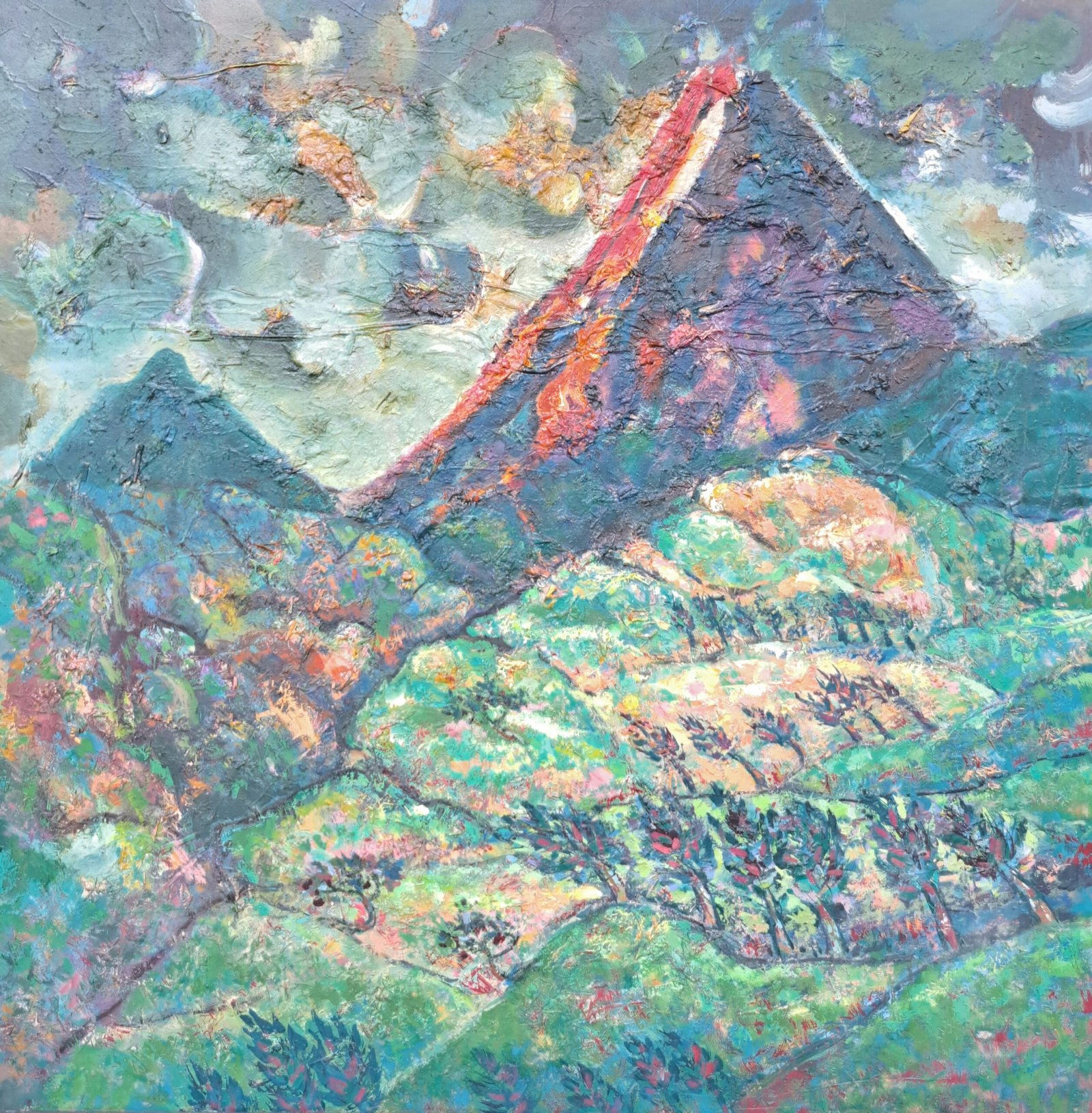
Ahmad Barokah, Merapi, 2005. Oil on canvas.
Footnotes
1 Commissioned by The Factory Contemporary Arts Centre, the third edition of “Pollination” curated by LIR (Mira Asriningtyas & Dito Yuwono) together with Kittima Chareeprasit, titled “Of Hunters and Gatherers”, is composed of an exhibition, symposia and dedicated website: (www.ofhuntersandgatherers.com)
2 900mdpl is a biennial site-specific project in Kaliurang created as an active attempt to create a growing socially-engaged archive of the village and to preserve the collective memories of the people. The 900mdpl project brings together local and international artists for a research residency and production of a new work. The first edition (2017) was a ‘family portrait’ of the community and their living space. The second edition (2019) was an attempt to pinpoint the small village within the map of Indonesia’s bigger history. The third edition (2022) examined the relationship between folklore, ghost stories, and mythology with the current ecological issues and environmental sustainability of the area. (www.900mdpl.com)
3 ‘Local embodied knowledge’ is here understood as ‘local wisdom’ within the Indonesian context, or as ‘local spiritual knowledge’ within the Thai context. Both these attempts at translating local words “kearifan lokal” and ‘ภูมิปัญญาท้องถิ่น’ into English are, however, insufficient. In short, ‘local embodied knowledge’ refers to the practice of learning, whereby the body receives ‘practice’ in specific sites, with specific rituals. It is understood that the experiential knowing of knowledge and its continuous presence in community – via oral storytelling, spiritual or religious ritual, folkloric superstition—are undervalued or little taught within the dominant cultural memory of both countries. (https://ofhuntersandgatherers.com/curatorial-text-the-hunters/)
4 Michel de Certeau, “Walking in the City,” 91-110.
5 Walter Benjamin. “A Berlin Chronicle.”
6 ibid.
7 Rebecca Solnit, A Field Guide to Getting Lost.
8 I learned about Bu Pujo’s story through Elizabeth D. Inandiak’s book titled Babad Ngalor Ngidul and it fascinates me how the crucial care work that Bu Pujo did is less known or talked about compared to the role of the Custodian.
9 On the anniversary of the Sultan’s coronation, offerings (labuhan) are brought from the Keraton of Yogya to Mt. Merapi, together with similar offerings carried to the Indian Ocean to the south, to appease the spirits of the mountain and the sea, in order to bring welfare to the inhabitants of Java. The Labuhan Alit (small labuhan) is done annually and the Labuhan Ageng (grand labuhan) is done every eight years. Labuhan Alit Keraton Yogyakarta, Wikipedia.
10 Nadia Farah Safana, “Labuhan Merapi: Mensyukuri Karunia Tuhan Melalui Wajah Yogyakarta,” 6 April 2022, (https://budaya.jogjaprov.go.id/berita/detail/LabuhanMerapi, Accessed 6 April 2023).
11 Adam Bobbette, “A Javanese Anthropocene.”
12 ibid.
13 Other than Hutan Bingungan, there are the more inaccessible mythological forests at the verge between myth and reality such as Hutan Patuk Alap-Alap, Hutan Gamelan, Hutan Pijen, and Hutan Blumbang. It is believed that some mythical animals that belong to the Sovereign of Mount Merapi live there. See: Lucas Sasongko Triyoga, Manusia Jawa Dan Gunung Merapi, 1991.
14 The term ‘social bandits’ was invented by Marxist historian Eric Hobsbawm and introduced in his books Primitive Rebels (1959) and Bandits (1969). This type of social crime as a form of resistance and class struggle was widespread in Java in 1850-1942, especially in Banten-Batavia, Surakarta-Yogyakarta, and Pasuruan-Probolinggo. See: Suhartono W., Jawa: Bandit-Bandit Pedesaan, 2010.
15 After the series of walks for the Pollination project, I wrote an essay that touches upon the idea of Javanese knowledge transmission systems (accessible via https://ofhuntersandgatherers.com/grandchildren-of-the-volcano-gather-around/). The idea of 3N (Niteni, Niroake, Nambahi) is a local Javanese knowledge transmission system famously used by Indonesian activist Ki Hadjar Dewantara or Raden Mas Soewardi Soerjaningrat though no direct written reference by Soerjaningrat can be found. See: Ki Hadjar Dewantara, Pemikiran, konsepsi, keteladanan, sikap merdeka (II) Kebudayaan, 2013.
16 In “For Opacity,” Glissant demands the right to opacity, within the theory of difference, against the reductive thoughts of transparency. He argues: “Agree not merely to the right to difference but, carrying this further, agree also to the right to opacity that is not enclosure within an impenetrable autarchy but subsistence within an irreducible singularity. Opacities can coexist and converge, weaving fabrics. [...] Every Other is a citizen and no longer a barbarian. What is here is open, as much as this there. I would be incapable of projecting from one to the other. This-here is the weave, and it weaves no boundaries. The right to opacity would not establish autism; it would be the real foundation of Relation, in freedoms.” Poetics of Relation, 189-194.
16 Glissant 111.
References
Abram, David. The Spell of the Sensuous: Perception and Language in a More-than-human World. New York, Vintage Books, 1996.
Asriningtyas, Mira. “Grandchildren of the Volcano—Gather Around!” Pollination: Of Hunters and Gatherers. https://ofhuntersandgatherers.com/grandchildren-of-the-volcano-gather-around/
Benjamin, Walter. “A Berlin Chronicle.” Reflections: Essays, Aphorisms, Autobiographical Writings. New York, Schocken, 1986.
Bobbette, Adam. “A Javanese Anthropocene.” Anthropocene curriculum. https://www.anthropocene-curriculum.org/contribution/a-javanese-anthropocene. Accessed 1 May 2023.
Certeau, Michel de. “Walking in the City.” In The Practice of Everyday Life. University of California Press, 1988, pp. 91-110.
Glissant, Édouard. Poetics of Relation. University of Michigan Press, 2021.
Inandiak, Elizabeth D. Babad Ngalor Ngidul. KPG, 2016.
Ki Hadjar Dewantara. Pemikiran, konsepsi, keteladanan, sikap merdeka (II) Kebudayaan. Majelis Luhur Tamansiswa, 2013, pp. 371-372.
“Labuhan Alit Keraton Yogyakarta”, Wikipedia. https://id.m.wikipedia.org/wiki/Labuhan_Alit_Keraton_Yogyakarta. Accessed 11 April 2026..
Pranoto, Suhartono W. Jawa: Bandit-Bandit Pedesaan: Studi Historis 1850-1942. Graha Ilmu, 2010.
Safana, Nadia Farah. “Labuhan Merapi: Mensyukuri Karunia Tuhan Melalui Wajah Yogyakarta.” Dinas Kebudayaan Daerah Istimewa Yogyakarta, 6 April 2022. https://budaya.jogjaprov.go.id/berita/detail/LabuhanMerapi. Accessed 6 April 2023.
Solnit, Rebecca. A Field Guide to Getting Lost. Canongate Books, 2017.
Triyoga, Lucas Sasongko. Manusia Jawa Dan Gunung Merapi: Persepsi Dan Kepercayaannya. Gadjah Mada University Press, 1991, pp. 100-102. 900mdpl. www.900mdpl.com
Under my window, a clean rasping sound
when the spade sinks into gravelly ground:
My father digging...
The trouble with most landscape art is that it is about looking at the landscape, not being in it. It is no coincidence that Britain, where I come from, became the first country where more people lived in towns than the countryside1 and has famously had an especial obsession with landscape art. From painting to travel posters, most landscape images function as nostalgic or escapist views for city dwellers in London, Singapore, Manila, wherever. Our desire for such images is a symptom of an extreme estrangement from the countryside—from soil, plants, animals.2
How to make art that conveyed more of a sense of being in the land and in nature rather than just looking at images of it? Land art of the 60s through the 80s sought ways of closer engagement: walking (Richard Long), building (Michael Heizer), farming (Agnes Denes), and engaging with animals (Joseph Beuys).
Half a century of urbanisation on, the world is increasingly seen through the ubiquitous computer screen and in a state of climate emergency—the need for art that engages with land, nature and earth has become even greater.
In this essay I want to look at how one artist, Geraldine Javier (born 1970 and based in the Philippines), has sought to do that—and share that engagement with her audience.
Earth. In art when we talk about the word earth we are probably yet again deflected into thinking of the word landscape and landscape paintings or photographs. However, it is important to note that landscape is a word that only began to be used in the late 1590s. Shakespeare never uses the word landscape; instead, as Ian Mortimer points out, “he uses the word country—a concept in which people and physical things are intimately bound together.3 Tellingly, Hamlet uses “country matters” as a euphemism for sexual intercourse.4 Earth in the famous graveyard scene is synonymous with death and decay.5
This cycle of sex, birth and death in the earth is emphasised brutally in Emile Zola’s 1886 realist novel La Terre (Earth). He recounts to us how Fouan, a 70-year-old farmer, “had once been very sturdy, but now he was dried up and shrunken, for he had worked so hard, his passion for the land had been so fierce that his body was now bent as though ready to return to the earth he had coveted and possessed so violently.”6
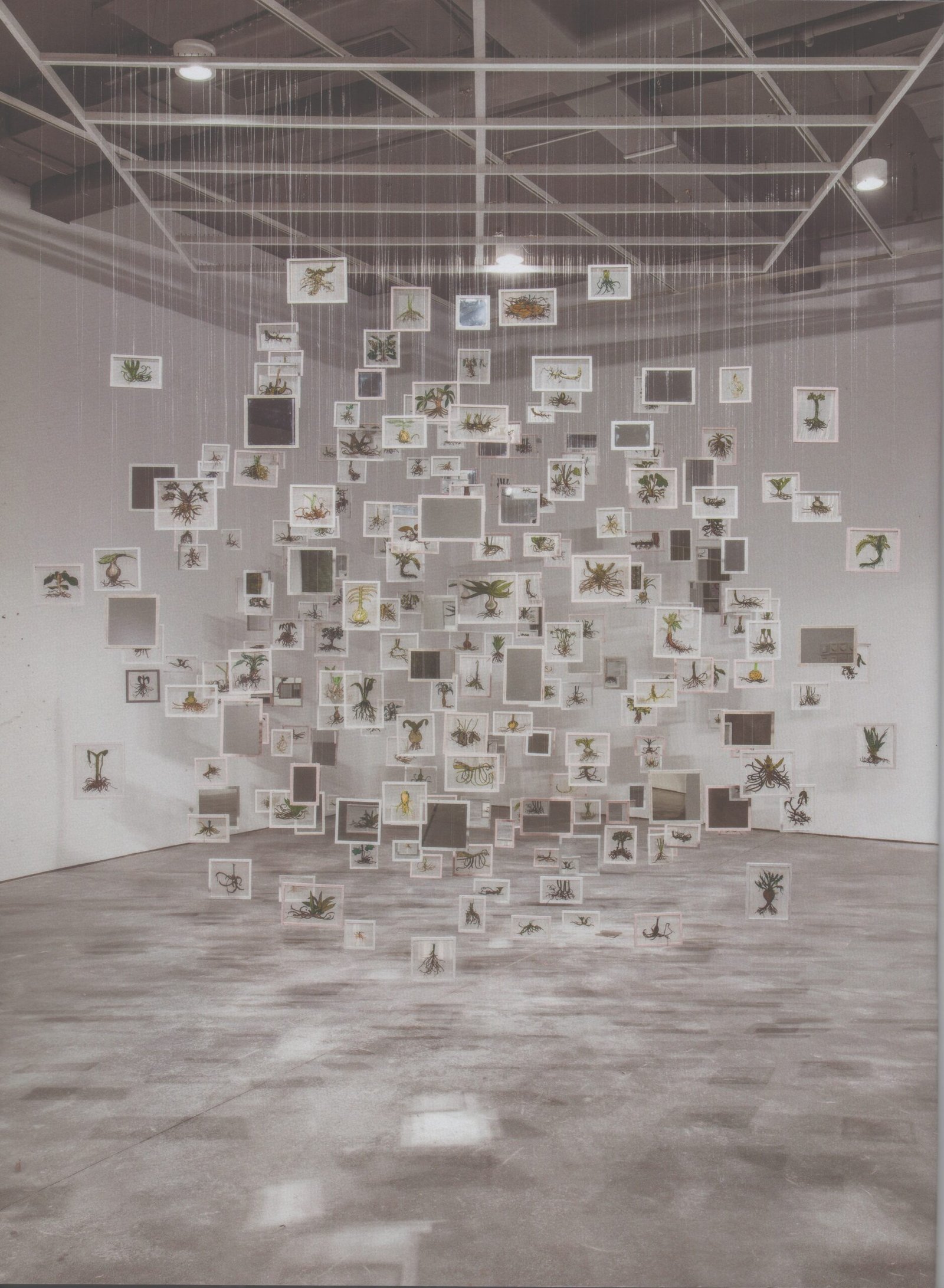
Geraldine Javier. Oblivious to Oblivion, 2017.
189 panels of embroidery, 54 small mirrors, dimensions variable.
As another aged farmer, Hourdequin, walks across a field to see his ploughmen, Zola tells us: “the soil clung to his feet, he could feel its rich fertility as though the earth wanted to hold him fast in an embrace, and the earth possessed him again completely; he recovered the virility of when he was thirty, his strength and happiness. Earth was the only woman: there were no other.”7
Farming is hard work, back-breaking at times—long hours, the vagaries of weather, poor pay— but, as John Berger wrote, a way of life that offered an important corrective to working in a capitalist city, one more connected to the physical world and to life.8 Landscape painting rarely shows the slog of farming, peasants almost invariably being portrayed as happy and decorative—see the work of J.M.W. Turner, Cheong Soo Pieng or Fernando Amorsolo.9 Like Zola, a few 19th-century realist painters like Millet, Courbet and Van Gogh, depicted farming, especially digging, as hard labour. However, Landscape and Earth, like Art and Nature, are generally more often seen to be opposites.
Art and Nature, Earth and Landscape have a very interesting meeting place or interface—the garden.10 Over the last thirteen years the garden has become site, subject and paradigm for the work of Geraldine Javier.
After a childhood in the provincial town of Candelaria, Javier moved to Manila to study nursing, then fine art at the University of the Philippines. In the house she lived in, in Sampaloc, a congested area of Manila, she had a mere handkerchief of a garden, plus two balconies filled with potted plants. She had always been nostalgic for certain parts of her life in the provinces. Since the age of eight, she had helped her father in his garden and accompanied him on trips to the rice fields that he managed. Unlike her seven siblings from the start, she was fascinated by plants. But she did not see nature through the rose-tinted spectacles of nostalgia; in 2012 I asked her, “Is your view of nature a benign one or a vicious one? Is it a caring ‘Mother Nature’ or Nature ‘red in tooth and claw’?”
“It is a combination of both,” she replied. “I feel at home in nature: I am not scared in dark woods or on high mountains. I like the unpredictability of nature: it can give you deluge or delight. This may be more acute in the Philippines where we have earthquakes, mudslides and typhoons—and also where we don’t care for our natural environment well.”11
She had grown weary of the noise, pollution and snarled traffic of Manila. “There is,” she said, “a strong desire to escape the city. Whenever I make works that have nature in it, they echo that desire, that longing to go back to a more idyllic setting... I spent my childhood and teenage years in the province and I know what it can do to you: there’s always a chance of complacency and a too simplistic view on life.”12 She was wary of what Marx and Engels called “the idiocy of rural life.”13 Nevertheless, the next year she bought an overgrown 2.3 hectare farm in the province of Batangas, south of Taal Lake and Mount Maculot.
“It was not just about a change of location,” she said, in retrospect. “It was about connecting with the environment. I’d been wanting to live and work where I could really connect with the things around me—and with the people around me. Whereas in Manila I was just holed up in my studio—I worked from pictures. I worked just with my head, basically. I found that oppressive.”14
She built a new house with a much bigger studio and began gardening on a far larger scale. Inevitably, her work evolved. However, even before this her work and philosophy had been changing.
Though Javier became well known for her paintings it is important to note that her first one-person exhibition (1996) was of collages. In classes by Roberto Chabet and others at the University of Philippines the emphasis had been on collage rather than drawing. She liked making things, she liked working with things from the real, material world—a key influence, one suggested by Chabet, was Robert Rauschenberg. From the beginning she was using thread in her collages. By the early 2000s she was making works with embroidery. By 2006 she was also using tatting, a form of crochet. She used a lot of dead natural things in her works: shells, antlers, animal bones, preserved bugs and butterflies—objects that fitted her recurrent theme of mortality.
When I first met her in 2011,15 she was painting in the day and embroidering in the evening; she was also employing four people to work as embroiderers or crochet-makers. She could sell every painting she made but rarely sold any fabric work. This was frustrating, but she insisted she would never make an exhibition just of paintings. There would always be textiles or mixed-media works and an installation—a term that, like most people in Southeast Asia, she uses loosely.
Crucially, in late 2011, in an exhibition at Singapore she exhibited two installations that made extensive use of hammered leaves,16 either hammered into fabric so as to print with its sap, or hammered on and preserved with acrylic emulsion. From that point on, plants—things grown from earth—were to become increasingly central to her work.
The year after buying her property, Typhoon Glenda17 passed through and left more than fifty trees uprooted. Javier had their roots sawn off, upended and sited like sculptures in her garden for plants to grow around or over. Gradually, through rot, lichen and termites became part of the flux, the constant decay and growth that any tropical garden is subject to. Hers was to be a garden that did not strive for some illusory perfection but one that always accepted that flux.
Like ‘landscape’ or ‘earth’, ‘garden’ is a word we use unthinkingly. Yet we have to ask, “what is a garden?”
The word is surprisingly difficult to define; there is such diversity; so many exceptions to every definition. In his book A Philosophy of Gardens David E. Cooper ends up defining it as the place where we do gardening. This may seem tautological but is not: a garden is defined by activity, both by humans and by nature, not by shape, size or function. Tellingly, the word ‘garden’ is both verb and noun. A garden is where we garden.
In recent years she has preferred to use the word ‘farm’, to be an artist farmer. How do we define her property and its purpose: garden or farm?
In truth her property has areas that can be seen as part garden (an emphasis on flowers, pleasant to walk around), part farm (where vegetables and fruit grow, including banana, coconut, mango, soursop, coffee etc.) but also part wilderness18—the north side of her property is the south side of a ravine, too steep to cultivate; on the other side of the ravine is the protected jungle/forest covering Mount Maculot. There is now a newly acquired area that should be termed an arboretum, a botanical collection of newly planted native trees. All these four areas can also be described as an extension of her studio. The door to her studio is always open: she wanders out periodically to gather flowers, bark or leaves, to see her dogs or just to unwind.
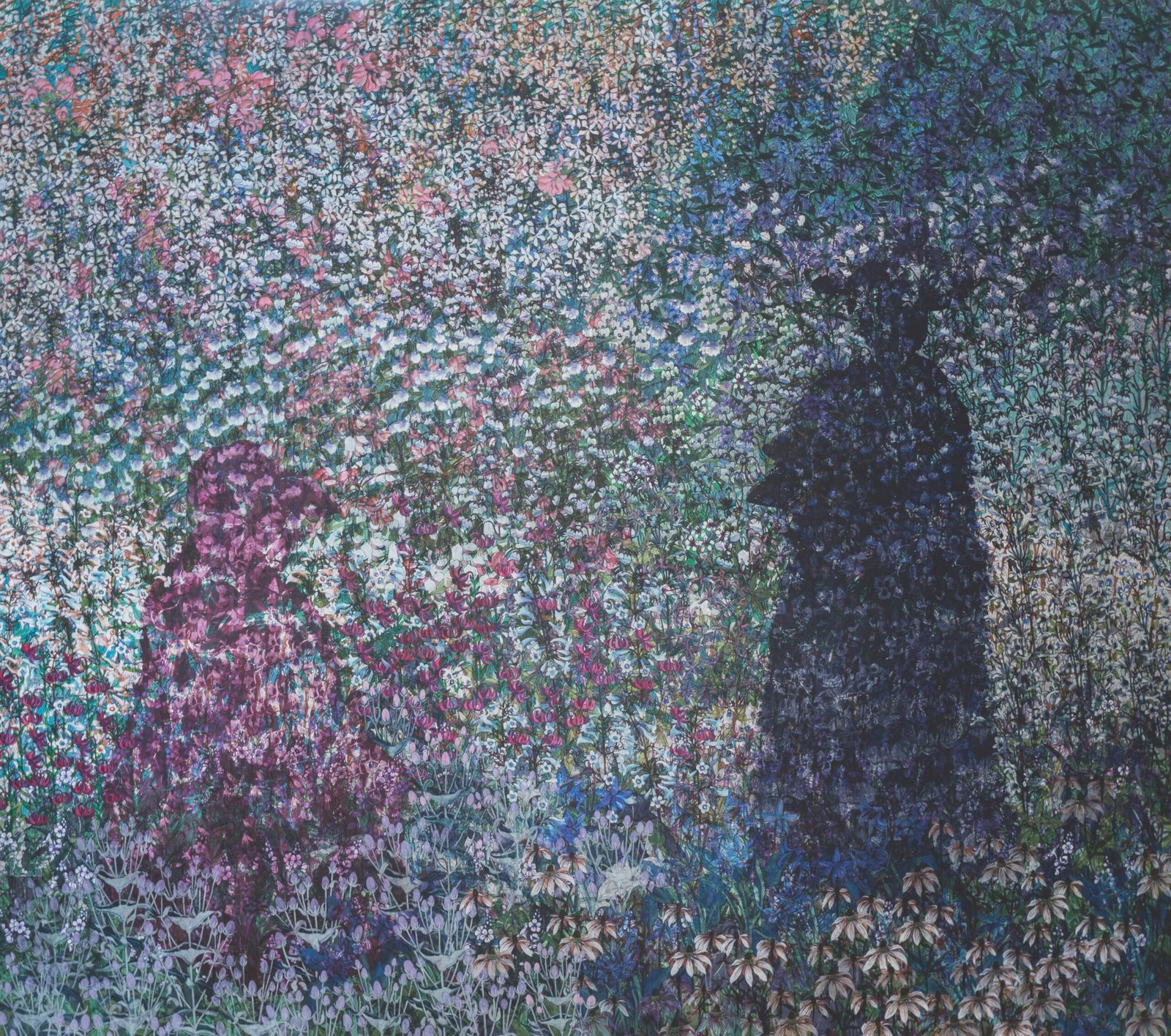
Geraldine Javier. Gertrude Jekyll (The Earth was her canvas I), 2020.
Acrylic on canvas, 213.4 x 243.8 cm.
For some time, she has thought of each show as an entity in itself, an immersive experience for the visitor, saying in 2013: “It’s not just a viewing experience where you put up works and people just go in and look at the individual works. I think my objective in every show is to prepare a feast.”19 It transpired that a better metaphor for her exhibitions was the hortus conclusus (enclosed garden). It is by following her exhibitions since then that we can see the evolution of her practice, a complicated progress towards an art of immersion and in-ness.
Her 2015 solo exhibition entitled Landscape as a State of Mind is a Landscape20 was her first show explicitly about her garden. There were images of her plants, her gardeners, her animals. She used hammered leaves, skeletonised leaves, embroidery, encaustic, deer and cow skulls, wood, charred tree stumps. In one area the viewer was surrounded by translucent fabric filled with insect eaten leaves.
In the exhibition wall-text she wrote: “It’s no simple pastoral dream. It’s hard work. Just as the birds and snakes from the forest slip into my garden and the noise of the barangay21 drifts over it, so memories and imaginings float into my consciousness. Life isn’t easier here, its complex in a different way... the trees and the nearby mountain are always there, a constant. And I find it easier to accept the irritations and vagaries of life. Now I am more at peace with myself, but not complacent.”
In that year, when asked what a garden meant to her, Javier replied: “being”—an unconscious echo of philosopher Martin Heidegger with his emphasis on being and things (sein and dingen). The words “presence” (Anwesenheit) and “belonging” (Ereignis or Mitsein) also appear in his writings. In his earlier writings a key word was nearness (Nähe) and in later writings dwelling (Wohnen). Belonging, nearness and dwelling are all close to what I have been calling in-ness.
Heidegger praises and defines Earth thus: “Earth is the serving bearer, blossoming and fruiting, spreading out in rock and water, rising up into plant and animal.”22 We need, to paraphrase him, to understand that the nature of our dwelling, of being at home in this earth, is to safeguard earth—not to master it but to care for it.
Although Heidegger is never an easy writer this cluster of words and thoughts is a good guide to the idea-complex underpinning Javier’s work.
Before studying as a fine artist, Javier had studied as a nurse for five years. Once when asked what she enjoyed most about a nurse’s work she said “stitching”. In medicine stitching is part of the healing process, closing wounds, making good again. Is it too outlandish to suggest that embroidery in her hands still carries associations with nursing—with taking care?
Two years later, one installation (Oblivious to Oblivion) had 189 panels of embroidery suspended along with 54 small mirrors. Each embroidery was of a small plant, roots and all. It was a hanging garden that one could walk into and in a mirror find oneself. Or one could see it as entering a potting shed with a myriad small plants waiting to be potted in earth or humus and watered. In another less successful installation—the mud would not dry—she, for the first and only time, used earth or mud as a base for a symbolic representation of the barangay (village or community) that she lives in, trees suggested by twigs and leaves, houses by miniature tents made with painted leaves on wood.
The inventiveness that characterises her installation work is equally to be found in the paintings of this period (she has always been stimulated by new materials or techniques). One painting shown at the same exhibition23 To the Gardeners of Kabul was inspired by stories of people in Kabul who carried on caring for gardens throughout the civil war despite the flying bullets. Here line drawings of plants are drawn with a brush one over one another until a complex network is built up, its effect surprisingly like Seurat’s pointillism. This palimpsest of botanical illustrations combined with the abstract and very material dripping of paint, hovers cloud-like between abstraction and representation. More than a botanical illustration it is a record of activity, of participation with flux.
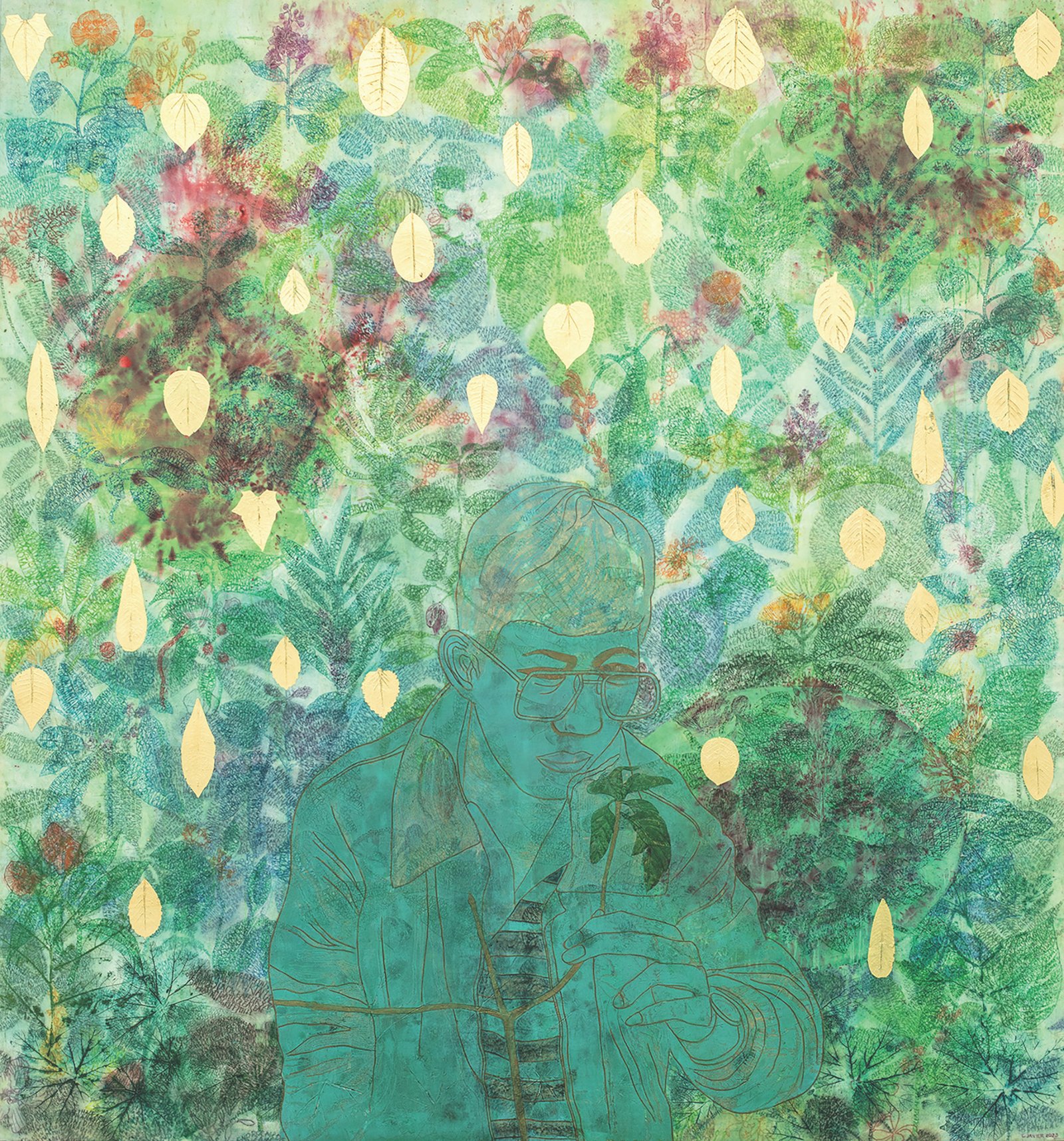
Geraldine Javier. Leonard Co, 2023.
Imitation gold leaf, ink pencils, encaustic on canvas, 204 x 198.5 cm.
Gardening, like farming, for her was not a private activity, but a communal one. For a garden this large, especially in the tropics where everything grows so quickly, and near to a volcano where the soil is so fertile, one pair of hands is not enough. In any one week as many as thirteen people may work on it, three more or less full time, but everyone is involved: her embroiderers often help out with weeding and watering, their children gather rubbish or sweep the paths.
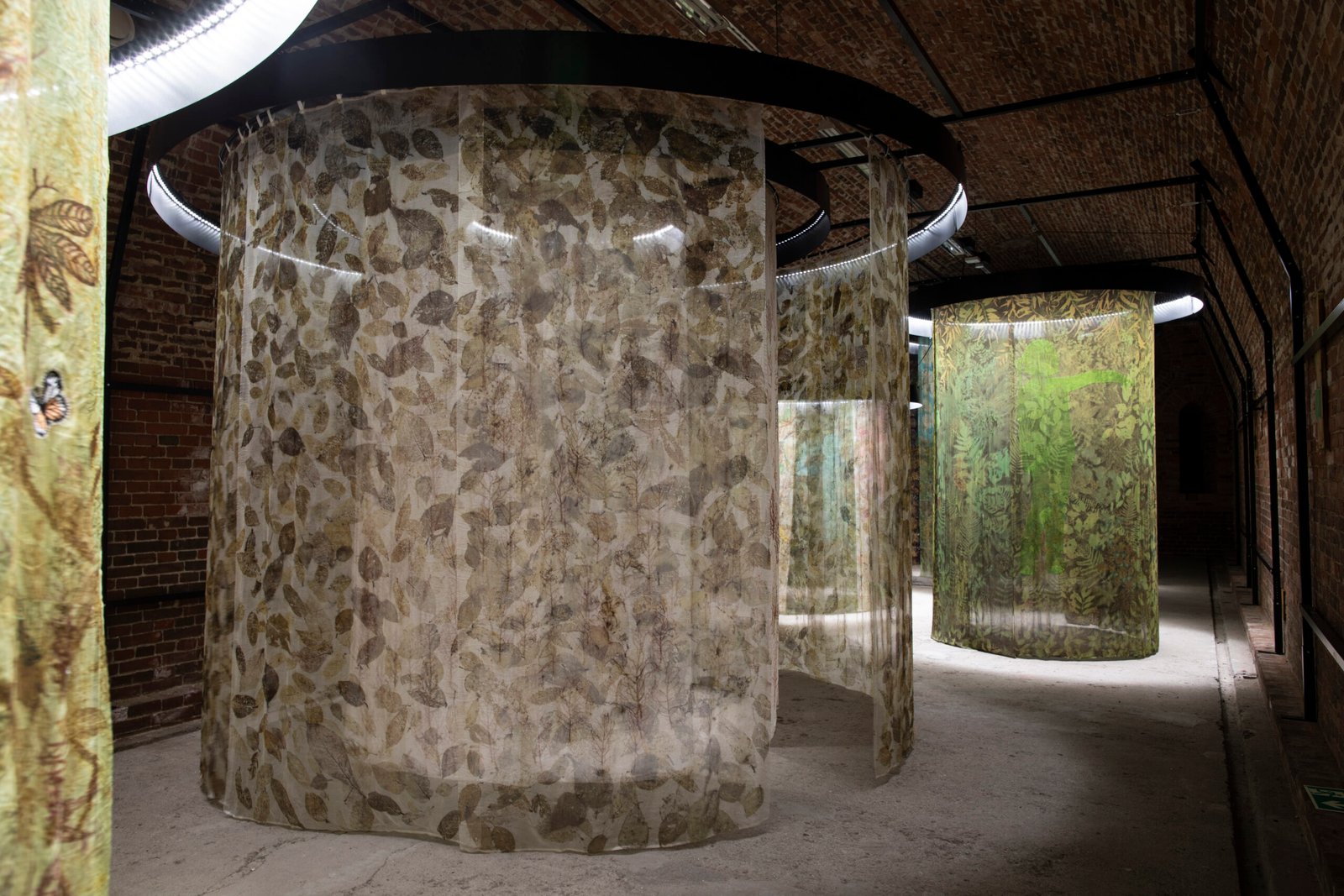
Geraldine Javier. Witness, 2025.
Five columns, hand embroidery, appliqué, natural dyeing, rusting and eco-printing on natural fabrics, 200-400 cm wide and 244-365 cm high.
During the pandemic she was concerned for those in her barangay who had lost their full-time jobs. Therefore she employed eleven of the jobless for the last six months of 2020 in an experimental organic farming project on some vacant lots. The eleven were paid a wage, grew a wide range of vegetables, learned how to garden organically, had fresh food for their families and even made some extra money by selling their produce. She did not see this as a social art work, just what any good citizen should do. Moreover, she learned a lot about organic farming.
Around this time she was especially moved by Robin Wall Kimmerer’s book *Braiding Sweetgrass.24 (She “read” it as an audiobook—like many artists she is great listener of audiobooks and podcasts.) Kimmerer, a native American, writes of indigenous knowledge and their reciprocal relationship with nature. “The best learning I got from her book,” Javier said, “is being able to give back and respect nature. It’s not just about taking. You give gratitude by protecting nature, by not taking so much and then being able to put back what you’ve taken. It’s always a reciprocity.” She is aware of the loss of equivalent indigenous knowledge in the Philippines. “We became disconnected, especially with the environment, when we got westernised, we forgot those traditions that actually sustained a community.”25
Although she was good friends with many Filipino artists and a member of the artist collective Surrounded by Water, she had no one who shared her passion for plants and plant-focused art.26 There was however a historic community of artist gardeners that she could summon in her 2021 exhibition27 of imagined gardens: Claude Monet, Derek Jarman, Gertrude Jekyll and Frida Kahlo. Kahlo and Jarman by installations, Jekyll by three palimpsestic paintings, in that reproduced here two images of Jekyll were submerged in a cloud or mist of flowers: the gardener literally immersed in the garden. The colour arrangements in the paintings (and whereas early paintings were highly figurative and graphic there is increasingly far more attention to colour) echo the plans for flower beds that Jekyll was famous for.
She had developed another painting method, used in the four Monet Garden paintings, that was more like mulching or composting: a layer of encaustic sediment having been set down on a canvas laid out on a table, she would draw on it with ink or scatter pigments on it, then she would get a blowtorch and melt parts of it, blending some of the pigments and drawing. Next, another layer of encaustic and again she would torch that, in parts blending it with the underlying layer. This process was repeated again a third and maybe fourth time. A complex surface (humus, compost) had been made. With the painting back on her easel, over several days or weeks she would carefully draw plants over it, referencing botanical illustrations. Eventually another layer of encaustic would be added and the blowtorch again melted or blended some of these plant images. It is all like the good gardener making a rich flowerbed with compost, dead plants, manure, and so on before planting for the new season. Finally, with the canvas back on the easel, she would sit down and again patiently draw plants.
Here paint is matter; also perhaps a metaphor for soil. The representations of plants are buried in the abstract mass of encaustic and paint.
For me this recalls the ideas and early work of French artist Jean Dubuffet (1901-1985). He emphasised the materiality of paint, what he termed matière or haut pâte, mixing it with mud, sand, ash or other stuff. This thick, once viscous mix of paint, soil and other stuff unified all the images that he carved into it. “Grinding up the materials and rediscovering the primordial touch of the child who kneads the sand and the earth, was what Dubuffet was interested in during [the 1940s].”28
It was an anti-elitist art. “I want an art that is directly connected to our everyday lives,”29 Dubuffet proclaimed. Javier however is not rebelling against the high culture and sophistication of Parisian art and culture as Dubuffet was, she does not need to take an aggressively primitive (Art Brut) stance.30 In her house there are many works of tribal or indigenous art (weaving, metal, wood) from Africa, Indonesia and the Philippines. She has great affection for these works; she is not however responding to them as embodying a primitivism to be aspired to in her own work. She sees them as art, sophisticated in their own way.
A similar use of encaustic can be seen in her 2023 painting of Leonard Co,31 the Filipino botanist who was shot in 2010 whilst botanising. It is impossible to read in a reproduction but the leaves are made up of handwritten names for plants, those found in Co’s book Common Medicinal Plants of the Cordillera Region. He was an expert on ethnobotany, how local people use indigenous plants—a subject that fascinates Javier.
There were also portraits of pioneer Botanical artist Maria Sibylla Merian,32 David Attenborough and Jane Goodall, the zoologist who learnt to live with chimpanzees. For Javier the good life depends on harmony not just with nature and community, but also with animals. These were four people who help us appreciate flora and fauna and the need to care for them.
Most of the fabric works in this exhibition were now eco-printed, mono-printing directly from leaves, flowers, roots or bark by steaming and using mordants to ensure permanence of the dye. There had been a long, intensive period of experimentation with processes and native plants. All these works were also hand embroidered. It is crucial to Javier that they are hand embroidered—there is an intuitive sensitivity to hand embroidery that machine embroidery inevitably lacks.
Eco-printing seems to be the solution to her desire of presenting an art synonymous with nature, that embodies being in nature, being at one with the earth. In the hope that others will adopt this way of working or physically enjoy the medium she has given classes on making eco prints and collaborated with fashion designer Steffi Cua of Idyllic Summers to make eco-printed clothes they can actually wear.33
Both fabric works and paintings were by now highly sensuous. She wanted a sensuousness, vitality and radiance equivalent to that in her own garden. Dubuffet talked of organising as: “...my lines and patches of colour so that the objects represented would meld into everything around them, so that the result would be a sort of continuous, universal soup with an intense flavour of life.”34 “Art should be born from the materials,” he also pronounced.35
As philosopher Mara Miller and others emphasise, a garden—unlike most artworks—is experienced by all the senses: sight, touch, hearing, smell, taste. Plus as we walk around a garden, bending down to catch a flower’s scent, breathing in the fresh air, that sixth sense, proprioception—the awareness of our body’s internal and external movements.36 This is something that some installation artists have aspired to—Anne Hamilton for example.
Normally we do not just look at a garden—we are in a garden. This sense of in-ness has become a key element in Javier’s installation works. Visitors to her installation Witness at the Helsinki Biennale 2025 and later at the Art Basel Hong Kong 2026 Encounters section were invited to touch the fabrics and go inside the work.37 Each of three, four-metre wide, hanging fabric columns enclosed two smaller fabric columns—like the rings of a tree, she said. Two smaller columns each two-metre wide hung separately. All the fabrics were covered in eco-printing and embroidery.
In an accompanying wall-text Javier wrote, “I have been using eco-printing in my recent work because it highlights our sensorial relationship with nature—in particular with plants. Plants can bring joy and delight to our everyday life, as hopefully this installation also will. Seeing, touching and smelling them can help alleviate plant blindness and alienation from the natural world. Please feel free to enter these columns through the gaps and touch the fabrics, but gently.”
In a deserted, rewilded island of Helsinki in an old gunpowder store still ice cold from the winter, it was a very site-specific experience. In an art fair it will give a different experience. But the invitation to touch and enter, the in-ness, the sensuousness, will still be strong.
The first two columns have images of climate change, dead trees, bleached coral and images of rewilding, especially butterflies. In two columns at the end of the installation can be see embroidered portraits of Co, Attenborough, Goodall and eight other writers, botanists and activists who have worked with nature or defended it.38 There is also a column with images of children dancing —the botanists and activists of the future.
How to get these intended meanings over without an overly preachy wall-text? Visitors clearly enjoyed the work and liked that they could enter it, that there was much beauty, that it was a great site for selfies and photos of one’s friends behind embroidered translucent fabric. Did they experience more than passing pleasure? Well, pleasure at this evocation of the natural world is at least a start. And she has done what an artist needs to do: bear witness, given a visual correlative of her philosophy.
In his Philosophy of the Garden Cooper quotes Pliny the younger as saying that a garden leads to “a good life and a genuine one.”39 The notion of the good life is one that is harmonious, healthy, ethical and contented, aware of and not resistant to change. If the philosophy of the garden is about the good life, is that also true of the garden-derived art of Javier, an art that is environmentally sound, connected and communal? She would agree with Gertrude Jekyll who, as Cooper points out claimed that gardens that were homely, not spectacular, were those conducive to such aspects of the good life as “happiness and repose of mind.”40
In his own conclusion as to what a garden is or does, Cooper falls back on Heidegger and his lecture Building, Dwelling, Thinking:
In effect, to dwell is to ‘remain at peace’ through freeing and sparing, and then caring for and preserving. To free things is to allow them to be experienced as the ‘gifts’ they are, to allow the world to become present for us through our engagement with it, but without our imposing upon them alien purposes. In other words, the authentic dweller is gelassen: he or she serenely ‘lets be’.
...the lecture presents an image of gardening or cultivation as a practice which, engaged in with an appropriate sensibility—engaged in ‘thinkingly’, as Heidegger would say—embodies more saliently than any other practice the truth of the relation between human beings, their world, and the ‘ground’ from which the ‘gift’ of this world comes.41
Earlier this year her solo exhibition Breathe, sigh... was her first not to include any paintings.42 Every work, wall hanging and small picture consisted of eco-printing and hand embroidery. The most curious work was a large wall-bound sculpture, Mount Maculot—on this occasion placed around a corner—made up of 267 small eco-printed and embroidered pictures of landscapes. But these were clamped in bundles and installed sideways to the wall. The only way to “see” the pictures was to look at them on the 267 postcards nearby. They were bundled and fixed in the shape of Mount Maculot, the mountain that she looks at every day from her studio. A similar work for her forthcoming exhibition provisionally titled *Why are we poor?43 at Silverlens Gallery, New York, will be of Mount Banahaw, a mountain often seen as especially magical or holy.
Under Javier’s direction her assistant eco-prints the fabrics, she then stitches the starting lines of the embroidery—for her a very intuitive, natural, process—and passes it to her embroiderers to complete. How do we categorise these pictures: poetic landscapes? Improvised landscapes? And why so many? As with the 189 embroidered plants in Oblivious of Oblivion or the 451 embroidered suspended in another installation, they are many because the earth is fertile. A cornucopia of gifts.
Bound in blocks or bundles, these landscapes become the earthen blocks from which the mountain is remade imaginatively. Why bound in blocks and thus concealed? It is frustrating! A tease! Perhaps, like the mirrors in Oblivious to Oblivion, this concealment creates a sense of self-consciousness, countering the in-ness and fertile multiplicity of the pictures.
The quote with which we began this essay was from Seamus Heaney’s 1966 poem Digging. In it he talks of his father digging and then of his grandfather who could dig more peat than any man. As a child Heaney once took milk to him. If poetry is a form of digging for Heaney, are not these paintings, fabric works and installations a form of digging for Javier?
...He straightened up
To drink it, then fell to right away
Nicking and slicing neatly, heaving sods
Over his shoulder, going down and down
For the good turf. Digging.
The cold smell of potato mould, the squelch and slap
Of soggy peat, the curt cuts of an edge
Through living roots awaken on my head.
But I’ve no spade to follow men like them.
Between my finger and my thumb
The squat pen rests
I’ll dig with that.44
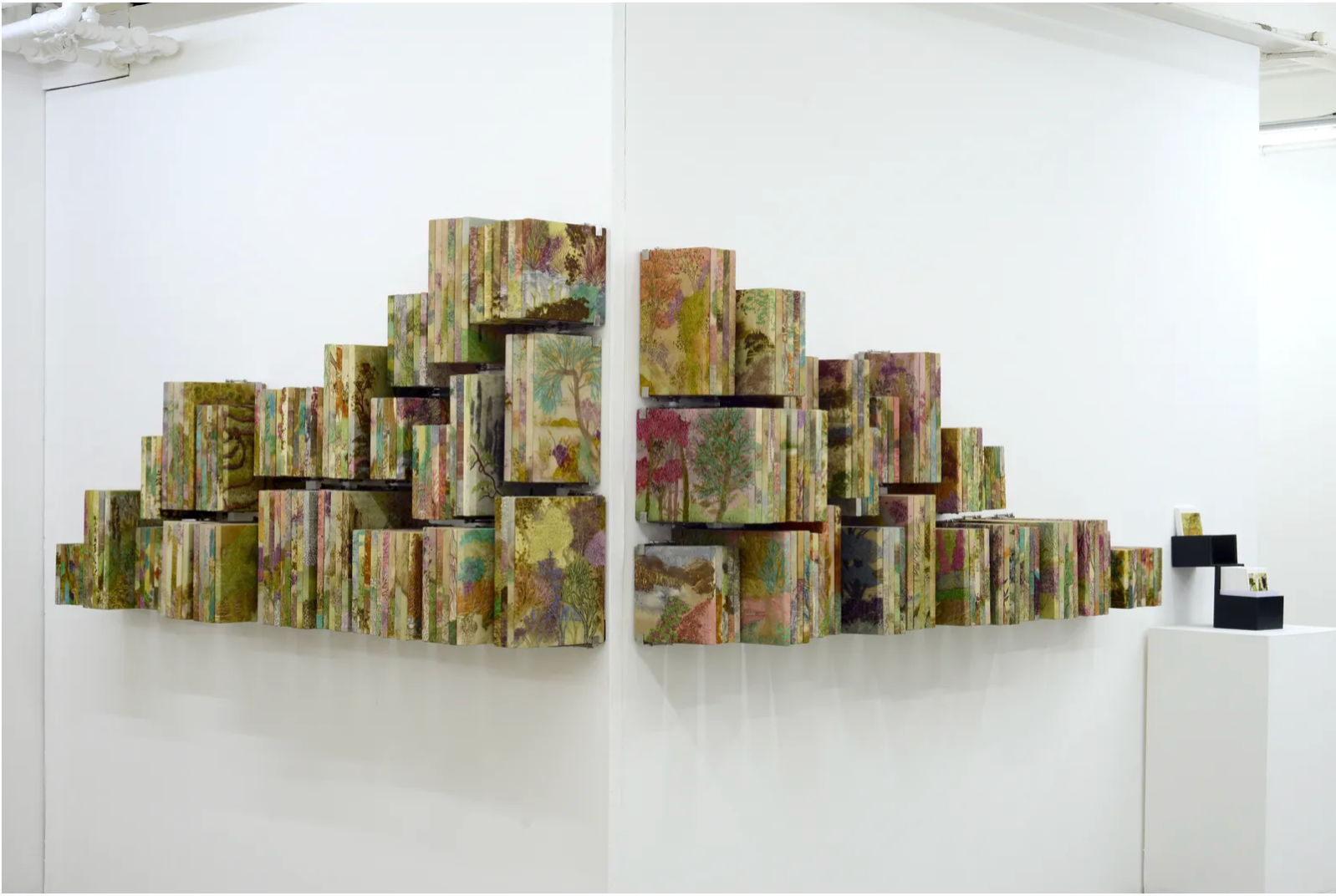
Geraldine Javier. Mt. Maculot. “All that you touch, you change. All that you change, changes you.” (Octavia E. Butler), 2025.
267 pieces of hand embroidery on eco-printed fabrics, leaves, flowers, natural dye, threads, fabrics, treated wood and 267 post cards, dimensions variable.
Footnotes
1 “Britain was the first society to become predominantly urban, with over half the population living in towns or cities by 1851.” Romola Davenport, “The first urban society”, 2024.
2 Recent government figures show less than seven percent of the population working in agriculture.
3 Ian Mortimer, 10.
4 William Shakespeare, Hamlet, Act 3 scene 2.
5 Hamlet, Act 5 scene 1.
6 Émile Zola, 11. My edition is an abridged one with subplots omitted. The first English translation (Soil, 1888) was banned for obscenity.
7 Ibid. 42.
8 See his Ways of Seeing and Into Their Labours (1979-1990), his trilogy about disappearing peasant life in Europe.
9 See John Barrell, The Dark Side of the Landscape: the Rural Poor in English Painting, 1980.
10 It is sometimes written that a garden is where art and nature collaborate; but nature does not collaborate, she just carries on doing what she does. ‘Interface’ is thus a more accurate word than collaboration.
11 Unpublished interview with the author, 2012.
12 Ibid.
13 The Communist Manifesto, 1848. This is now normally translated as the “isolation” of rural life.
14 Interviewed by the author on 8 February 2026.
15 Subsequent to which I became her partner and in some way a part of this project. I am the only person to have seen all her exhibitions in the Philippines, Singapore, Indonesia, Germany, China, South Korea, Cuba and Finland.
16 Cabinet of Curiosities and Sing me a Song, at Valentine Willie gallery, an exhibition entitled Museum of Many Things.
17 Also known as Typhoon Rammasun, a category 5 super typhoon hitting Luzon in July 2014.
18 Javier refers to this as forest, I as jungle, but let us use instead the term “wilderness”, a key term in 18th-century garden debates.
19 Quoted in Ex. Cat. Geraldine Javier: Stuck in Reverse, 13.
20 At Finale Art File, Manila.
21 In the Philippines, a village, suburb, or other demarcated neighbourhood; a small territorial and administrative district forming the most local level of government.
22 Martin Heidegger, 246 (from a lecture/essay “Building Dwelling Thinking” delivered in 1951 and first published in German in 1954). As David E. Cooper points out in A Philosophy of Gardens, Heidegger emphasises that the word bauen (to build) also means “to cultivate.” Cooper, 139.
23 At Arario Gallery, Shanghai, 2017.
24 Robin Wall Kimmerer, 2020.
25 Interviewed by the author on 8 February 2026.
26 She shares plants and info with fellow artist plantistas Gregory Halili and Ronald Achacoso but the first does not make art with or about plants, and the second is now wholly focussed on planting.
27 At artinformal Gallery, Manila.
28 De Costa, 28.
29 Ibid. 11.
30 Dubuffet has a curious connection to the Philippines. His Art Brut collection was shown in the New York premises of the Filipino emigre artist Alfonso Ossorio.
31 Shown at her solo exhibition A Tree is not a Forest, Silverlens Gallery, Manila, 2023.
32 Beside the entrance to her studio, she has hung prints by Merian and Kiki Smith.
33 The artist Marionne Contreras also collaborated in this.
34 Quoted in De Costa, 61.
35 Quoted in De Costa, 68.
36 Mara Miller, quoted in Cooper, 28.
37 Before the fair the administration of Art Basel asked if they could put a security fence around the work. She, of course, said “no!”
38 Julia Butterfly Hill, Greta Thunberg, Leonard Co, Akira Miyawaki, Carlos Magdalena, Robin Wall Kimmerer, Jane Goodall, David Attenborough, Wangari Maathai, Simona Kossak and Suzanne Simard.
39 Cooper, 10 and 89.
40 Cooper, 5.
41 Ibid. 160-161.
42 At West Gallery, Manila.
43 This title echoes the title of a 2005 book by Filipino writer F. Sionil José: Why we are poor: Termites in the Sala, Heroes in the Attic. This is indicative of how in recent years she has become far more engaged with socio-political as well as ecological issues.
44 Seamus Heaney, Opened Ground: Poems 1966-1996, 3-4.
References
Barrell, John. The Dark Side of the Landscape: The Rural Poor in English Painting, 1730–1840. Cambridge University Press, 1980.
Berger, John. Into Their Labours. 1979–1990. Pantheon Books, 1991.
Berger, John. Ways of Seeing. British Broadcasting Corporation and Penguin Books, 1972.
Cooper, David E. The Philosophy of the Garden. Oxford University Press, 2006.
Davenport, Romola. “The First Urban Society.” The Cambridge Group for the History of Population and Social Structure, University of Cambridge, October 31, 2024.
De Costa, Valerie, and Fabrice Hergott (eds). Dubuffet, Jean: Works, Writings, Interviews. Ediciones Polígrafa, 2006.
Heaney, Seamus. Opened Ground: Poems 1966–1996. Faber and Faber, 1998.
Heidegger, Martin. Basic Writings. Routledge, 1971.
Javier, Geraldine. Stuck in Reverse. Exhibition catalogue, Arndt Gallery, Berlin, 2013.
José, F. Sionil. “Why We Are Poor: Termites in the Sala, Heroes in the Attic.” Essays by Sionil José. Solaridad Publishing House, 2005.
Kimmerer, Robin Wall. Braiding Sweetgrass. Milkweed Editions, 2020.
Marx, Karl, and Friedrich Engels. The Communist Manifesto. 1848.
Miller, Mara. The Garden as an Art. State University of New York Press, 1993.
Mortimer, Ian. The Time Traveller’s Guide to Elizabethan England. Vintage, 2012.
Shakespeare, William. Hamlet. Edited by Ann Thompson and Neil Taylor, Arden Shakespeare, 2006.
Zola, Émile. Earth. Translated by Margaret Crosland, New English Library, 1962.
Essays
Cultural identity, place and belonging are important leitmotifs in contemporary art and in everyday life. The desire to feel part of a community in the context of a nation, one’s ethnicity, and locality is intrinsic to human identity. Yet issues relating to identity, place and belonging have become increasingly politicised and problematic in the context of mobility, globalisation and heightened border security.
Reworking selected texts from my PhD dissertation, Shimmering Spaces: Art and Anglo Indians Experiences, this paper moves between academic and narrative forms of writing to discussing ideas of an entangled sense of place, culture, home and belonging across contested histories, fictive re-imaginings, and authentic lived experience. The writing shifts in location through various terrain including the Australian bush, a fictive tailor’s shop in London, and the narrator’s flat where he was born in Colaba, India. Each of these locations while tethered by the history of British colonial rule, also foregrounds the ongoing psychological impact on the colonised and coloniser including the experiences place and migration play in such complex equations.
Referencing Australia’s slow, and often inadequate attempts to reconceal its untruthful history with First Nations Australians and its ongoing often racially driven politics around immigration policies, this paper takes a personal narrative approach from the position of the author who belongs to a mixed-race community (Anglo-Indian) and is a migrant currently living on unceded Dja Dja Wurrung lands in Australia. It is the ongoing devastating experiences of colonialism, (never a thing of the past) which sits at the centre of this discourse. It highlights the physical and psychological impacts of colonialism on both the colonised and coloniser, as they reimagine a postcolonial way of living on land.
How we are represented and who has the right to determine this are not new questions. Discourse around where we belong, and with whom we may feel an allegiance, is symptomatic of the shifting and contingent spaces and places we operate out of in a more deterritorialised world, particularly in cultural and spatial terms. Writing for the 7th International Biennial of Sharjah in 2005, in his essay, Belonging and Not Belonging, sociologist Laymert Garcia dos Santos chillingly asked: “Who has the right to belong to the future of humanity, and who is condemned to disappear?”1 Twenty-one years later, we see evidence of these very questions being acted out in a world that continues to be divided by race, class, power, and culture, making Santos’ remarks feel compellingly present and relevant.
A sense of belonging is often tied to owning land, or land we believe belongs to us. Santos makes us consider the idea of belonging in a different context. He argues that the reason we desire a sense of belonging is directly tied to capitalist structures. He cites the semi-nomadic people of the Amazon, the Yanomami, and their relationship to land as distinct to Western thinking on the subject. The Yanomami believe that they belong to the land rather than the land belonging to them. And that land and territory is something ‘alive’. Because of this very clear distinction, the Yanomami cannot understand the demarcation of territory. For them, territorial demarcation does not exist. Santos cites this example as it:
clarifies the problem of belonging by contrasting the ‘primitive territorial machine’ with the ‘civilised capitalist machine’. In the former, man’s foundational relationship is with the land; in the latter, it is with abstract value. If this is true, it begs the question: how is it possible to ‘belong’, in the age of globalised capitalism, other than in a proprietary sense? Can belonging—to a country, to a people, to a nation—still make sense? Would it not be preferable to focus on not belonging.²
Correspondence (2012–2015) is the title for ‘Letters’ and ‘Asides’ that I wrote while making the photographic artworks, Bespoke and Between Dreaming and Dying. Letters were written to a character named Thyssen Krupp, who worked for a company named Thyssen Krupp and Associates – Tailors of Distinction; both are fictional. The Letter is written by the Anglo-Indian character who is the protagonist in both photographic artworks, as well as being the Anglo-Indian artist/ researcher, and the person writing this paper. In this context, the Anglo-Indian inhabits both real and fictional space. He becomes the avatar of the artist/researcher, acting out the expectations and desires of his community’s failures, hopes and anxieties, often while speaking back to the colonial gaze.
The artist/researcher is also the narrator in the ‘Asides’. The two Asides in Correspondence (2012–2015) are neither descriptive nor background to the process of making the artworks. Rather, they are a way to write about ideas during the thinking/making process. The Asides also weave in oblique references to the other artworks the artist has made over time. The narrative in the Asides while often fictional, simultaneously refers to the real space of the artist/researcher living on Dja Dja Wurrung lands and making artworks in his studio.
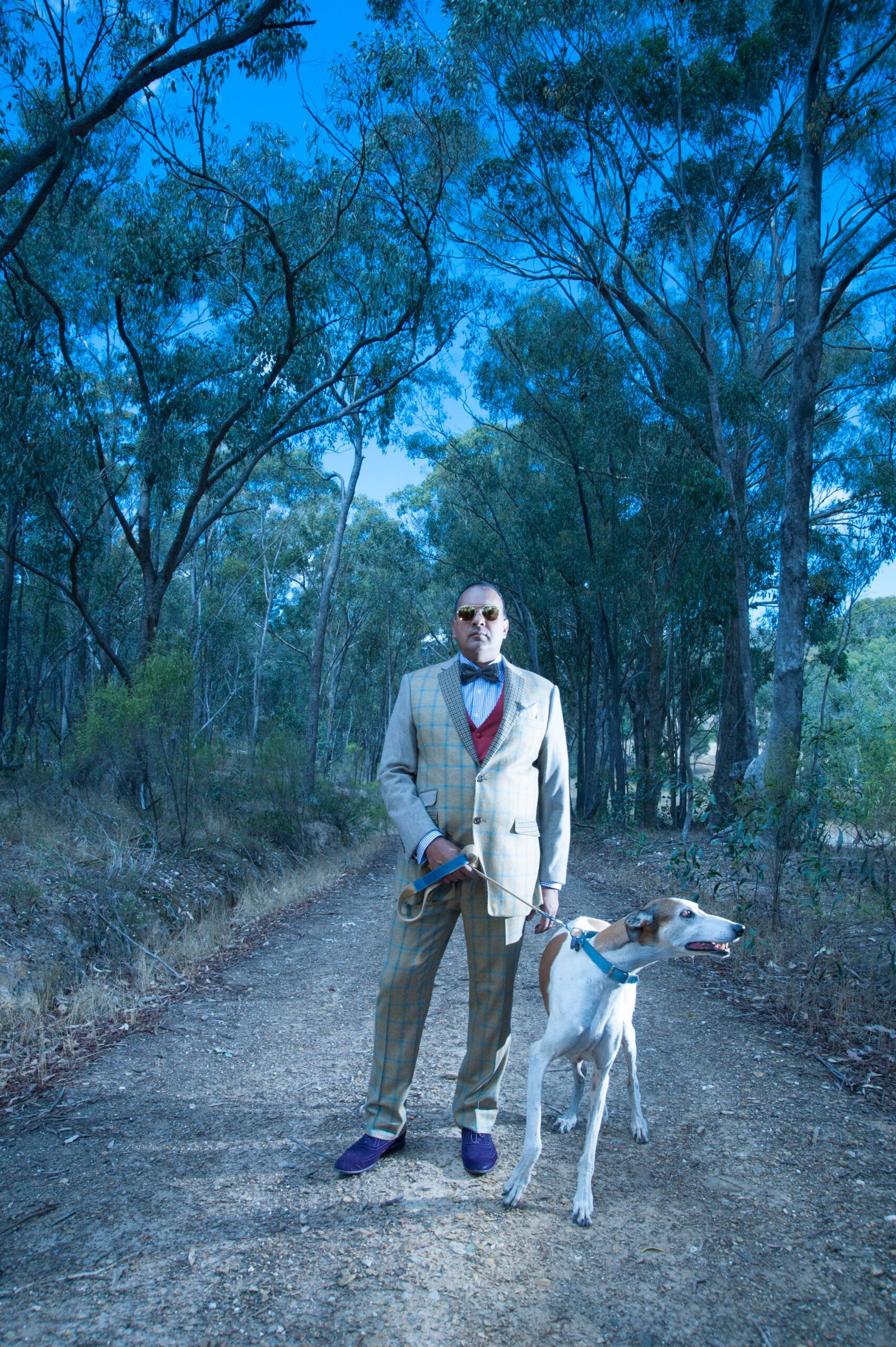
Rhett D’Costa, Bespoke, 2013 inkjet photographic print on 285 gsm Hahnemühle Fine Art Pearl paper, 148 x 105 cm (framed) Edition of 3. Personal collection.
CORRESPONDENCE (2012–2015)
THE LETTER TO MR. THYSSEN KRUPP
Thyssen Krupp & Associates
Tailors of Distinction
71-72 Jermyn Street, London, SW1Y 6PF
23/01/2012
Dear Mr. Krupp
I write seeking your approval regarding my attempt to dress as the quintessential English country gentlemen. Afterall it is said “Clothes make the Man.”
I could not decide on the fabric for the bespoke suit I had made in Hong Kong but I finally narrowed it down to three ubiquitous English fabrics—a plaid, hounds-tooth, and herringbone. I ended up using all three. Of course, I considered a Harris Tweed, but chose to show restraint, which is the English way – yes? A gingham shirt, matching Irish linen kerchief, Paul Smith purple brogues, a bow tie, and a red waistcoat (the red relating specifically to the ceremonial and military attire of the English nineteenth century with a nod to the red hunter’s jacket and the dandy), completed the outfit.
I wanted it to be perfect! I am sure you can sense my delight. But I must not get ahead of myself, as it is your professional validation which I await. Who other than a man of your class, distinction, and fine breeding could know better?
Please sir, I am at your mercy that you will deliver a good report. Failure is not an option.
Awaiting a reply with anticipation and humility.
Rhett D’Costa
THE FIRST ASIDE: THE ANGLO-INDIAN REFLECTING WHILE AWAITING A RESPONSE IN FRYERSTOWN, AUSTRALIA
The Englishman thinks himself too superior to write! Or perhaps Mr. Krupp did receive the letter and thinks highly of the suit? Perhaps the people at Thyssen Krupp & Associates are thinking of how to copy the suit for their own purposes. Should I continue this quest? Or is the suit a failure? Am I a failure?
Perhaps I should have used the Harris Tweed after all? But why show restraint? I am not English. Why should I care so much about their opinion anyway? Why do I need their validation?
And what to make of all the fuss by management at the Calcutta Club? Insisting on a ‘colonial’ dress code to enter their Raj-era Gentleman’s Club? Imagine in 2012 such rules persisting? The great Indian artist, M. F. Husain cannot enter because his ‘kurta’ doesn’t meet the club’s dress code. And Gopalkrishna Gandhi (Gandhi’s grandson) will not attend because he too is not ‘allowed’ to wear his kurta. Has the world gone completely mad? Everything is topsy-turvy.
They will not dare turn me away! Not in my resplendent suit. No Indian or Englishman will have that right.
THE SECOND ASIDE: AT THE SHOWROOMS OF MR. THYSSEN KRUPP & ASSOCIATES, LONDON, ENGLAND
The letter from Mr. Rhett D’Costa eventually arrives at Thyssen Krupp & Associates. On a bitter cold English day, 45 minutes from closing time, the letter is opened by Mr. Krupp’s personal assistant.
The assistant, a nondescript man with fair complexion, is granted permission to open company mail. He scans the letter hastily. It has been a long, thankless day. A little chuffed at the tone of respect in the letter, this is quickly replaced with annoyance that the request involves a response, something he will have to follow up.
The assistant knows he has been irritable lately. He thinks this justifiable given he must constantly listen to the demands of the snobbish clientele, that smug indifference of the privileged, private-school class.
With only 35 minutes before leaving his workplace, the assistant eventually looks at the photograph. He can hardly believe what he sees. The suit is absurd! It is an affront to his developed aesthetic. And the man wearing the suit even more ridiculous. He can’t feel any empathy with the request in the letter. He leans into the image looking closely with and without his glasses; perhaps the answer to such an absurd request might lie between sharpness and a blur. The person in the photograph looks smug. Yet this ‘Indian’ in the photograph, so the assistant believes, should know better. He should know his place!
The assistant sighs heavily. He is exhausted with this whole business. He can feel the tension rise in his body. If everyone just knew their place and stayed there. Literally! It would solve so many problems. He is reminded of all the Indians he encounters every day. Taking up space. Applying for his job. Speaking in odd languages. Those cooking smells that linger around the entrance to his flat. All this in his own country. He notices how they look at him. He knows they want what he has. And that they are scheming to take it. Even as they smile and offer him their food.
Everything is topsy-turvy. This whole business of immigration, globalisation and multiculturalism is too complex for him to comprehend. Yet he knows it is somehow to blame for all the problems he must contend with. He seeks simple answers to all this, like “stop the boats” which he has heard on the television used by Australian politicians. Three words, easy to understand. He nods in silent agreement each time he hears stories about refugees and hears these words.
Recently the assistant has been spending too much time daydreaming while watching the second hand move in a circulatory way around the numbers on the clock in his workplace. He takes solace in this repetitive act and the precision of its machinations. It comforts him to know that time can be compartmentalised in the roundness of the clock’s form. To think of time in another way makes him anxious. His pocket watch chimes quietly. He has fallen into the habit of running his watch 15 minutes faster than the actual time. Something to do with the day moving to slowly.
The assistant has learnt to like speed. It makes it easier to forget his present situation. The fast pace of the city provides an anonymity that he needs. He does not want time to get to know the strangers who live in his neighbourhood, who have darker skin and odd accents. It wasn’t like this. If he was aware of Milan Kundera’s mathematical equations about remembering and forgetting in the context of speed, he would agree with the writer’s hypothesis. Moving through the world quickly makes him forget. And there are things in his world he would rather forget.
It is officially closing time. His tension dissolves by relaxing his shoulders. He folds the letter and photograph. Then carefully and deliberately, tears the letter in half, and in half again until there can be no evidence of sentences and paragraphs that spelt out another person’s hopes, dreams, and aspirations.

Fragments from the torn letter to Mr. Thyssun Krupp. Rhett D’Costa, Archival photographic documentation during the writing of Correspondence (2012-2015), 2015. Personal collection.
Words lie broken. The narrative is fractured and displaced on the torn pages. Meaning still exists. But differently. Clutching fragments of photograph and letter, he stuffs them into his coat pocket, unaware that some had escaped, drifting to the workshop floor. The words, ‘fine breeding’, ‘class’, and ‘failure’ lie facing upward. These words would be swept up with the workshop debris by the cleaner, a migrant working illegally for below wage rates.
At the same instance in Fryerstown, Australia, while walking his beloved dog in the bush, the Anglo-Indian was startled by an almighty crashing sound. Even if he could magically hear the tearing of the letter in London, it would have been drowned out by the shattering of the massive eucalyptus branch now lying behind him on the bush track. Shuddering, he closes his eyes. Thoughts of weight, history, and his mortality enter his mind. It was a close call. That branch could have killed him. Unconsciously, he crouches to the ground as if gravity provided no other option. Opening his eyes, he stares at the fallen limb. He picks up a stick from a mistletoe once attached parasitically to the eucalyptus mimicking its appearance. It now lies detached from its host among the debris.
The Anglo-Indian stares at the shattered mistletoe, sensing an invisible bond between it and himself. He uses it to draw small circles in the dust repetitively. Mimicking the way his mother mixed atta with her hand when making chapatis. He found this action soothing. Recalling India, often with sentiment and nostalgia, was becoming a recurring theme recently. He remembers the sound of crows from the flat in Colaba, so different to the melodic song of magpies in Fryerstown. The Gateway of India, the heat and light. It would be misleading to suggest there existed narratives in these recollections for anyone else. Others may simply see a montage of images in and out of focus—tetrapods, the sea, interiors, images close and distant—as just that, a collection of forms and images representing nothing more than what they are. But he knew intimately that stories lived in these images. And that there were connections between the images that traced narratives, which he never really talked about. Who would he talk to about this stuff from his past anyway? Now though, these thoughts and images were becoming more important in his life.
He left India when he was six years old. His parent’s choice. He loved his home in the Australian bush. He knew India wasn’t his home anymore. He thought he had accepted this. However, there was still a strong longing in his heart which confused him. Something was left behind. Each time he returned to the flat in Bombay where he had spent the first six years of his life, he looked for traces, parts left somewhere on the door handles, on the floor, in the air. His DNA was present in the flat. He now understood Bachelard’s ideas of poetry and space. He could feel the Frenchman’s thesis in his heart.
It is impossible to imagine as the taxi pulled away from Colaba what the six-year-old was thinking. He was leaving friends, the moist heat of Bombay, and the view from the balcony flat where he sat for hours, singing about things he saw. He didn’t know Australia. Where it was or what the views would be. Would he be able to see the sea and feel a moist breeze as he could on the verandah in Colaba? As he looked out of the rear window of the taxi on the 25th day of January in 1971, that last day in India, he didn’t cry. Even though everyone else did. How could he know what emigrating meant. Or what citizenship meant? He didn’t know what ‘forever’ meant, when he asked his mother how long they were going to Australia. Time didn’t stretch that far into the future for a six-year-old to comprehend. It didn’t matter then. Theorising over a time–space nexus wasn’t an option. There was only this strange sense. Leaving India really didn’t matter that much then. It was mattering more now. Then, India was only a small space, Bombay/Colaba/303 Pushpa Bhavan. The rest of India was alien. Not a part of him. He could not formulate any questions then. He did not need any answers then either. Even now, he is unsure what the right questions were to ask. Besides, what could he do with the answers? He understands that as a migrant he may experience a gainful future but he wasn’t prepared for the profound loss leaving his place of birth would have.
The ‘stick’ the narrator picks up in the bush would eventually become the artwork, Letting Things Be What They Are.
Rhett D’Costa, Letting Things Be What They Are, 2016. Sculpture, eucalyptus branch, mistletoe, Swarovski crystals, 90cm (H). PersonaI collection.
He sits on the dry Australian dust track. Reflecting on his history was making his body feel heavy. Simultaneously, the dry atmosphere was sucking all the moisture from his skin making him feel lightheaded. Embracing the fuzziness of remembering and forgetting, he decides to keep the stick as a memento or marker of this moment. Not knowing what else to do with it, he would take it to his studio. It could potentially become an artwork which might help him understand. He didn’t know what to do with the complexity of time, place, and space. He needed to give this equation form; a form that would help him make sense of all of this. It was form that would gradually get him closer to his own acceptance of things. It wasn’t that he only wanted the clarity of knowing where he belonged. But the assurance that comes with belonging. His Anglo-Indian community never had a place, land which they felt they belonged on. As an option, McCluskieganj³ was a failed utopia for the community.
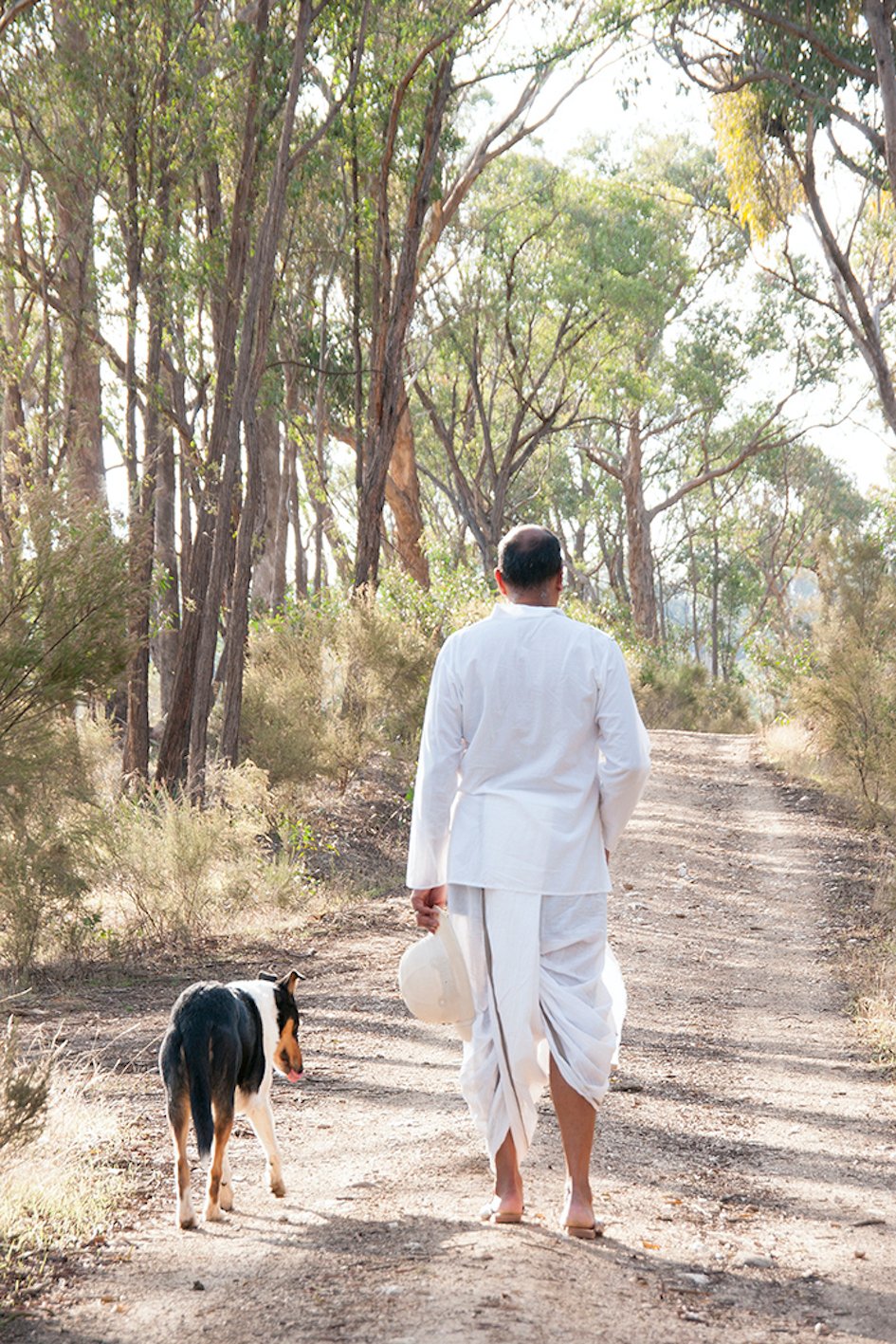
He stands and walks slowly with his dog to the field further down the track. His white dhoti and kurta standing out starkly against his dark skin and dusty brown light. He feels liberated wearing this Indian costume. So different to the suit he had made which he knew was ill-fitting. A dhoti and kurta aren’t what he would normally wear in public. He feels he hasn’t the right to wear such a costume. But in his own solitude, the garment is loose and relaxing. It makes him feel surer of himself. It reminds him he is Indian. Migration and assimilation strategies to adjust and ‘fit into Australia culture’ seems to make being Indian harder. Dress codes were a way he thought would make him feel authentic. He was becoming aware that living in a white world was making him feel white.
He enters the field where his dogs love to run. Walking, meandering, daydreaming, and generally wasting time, seemed to take on importance these days. He liked the slowness of rural living, and the intimacy that small towns provide.
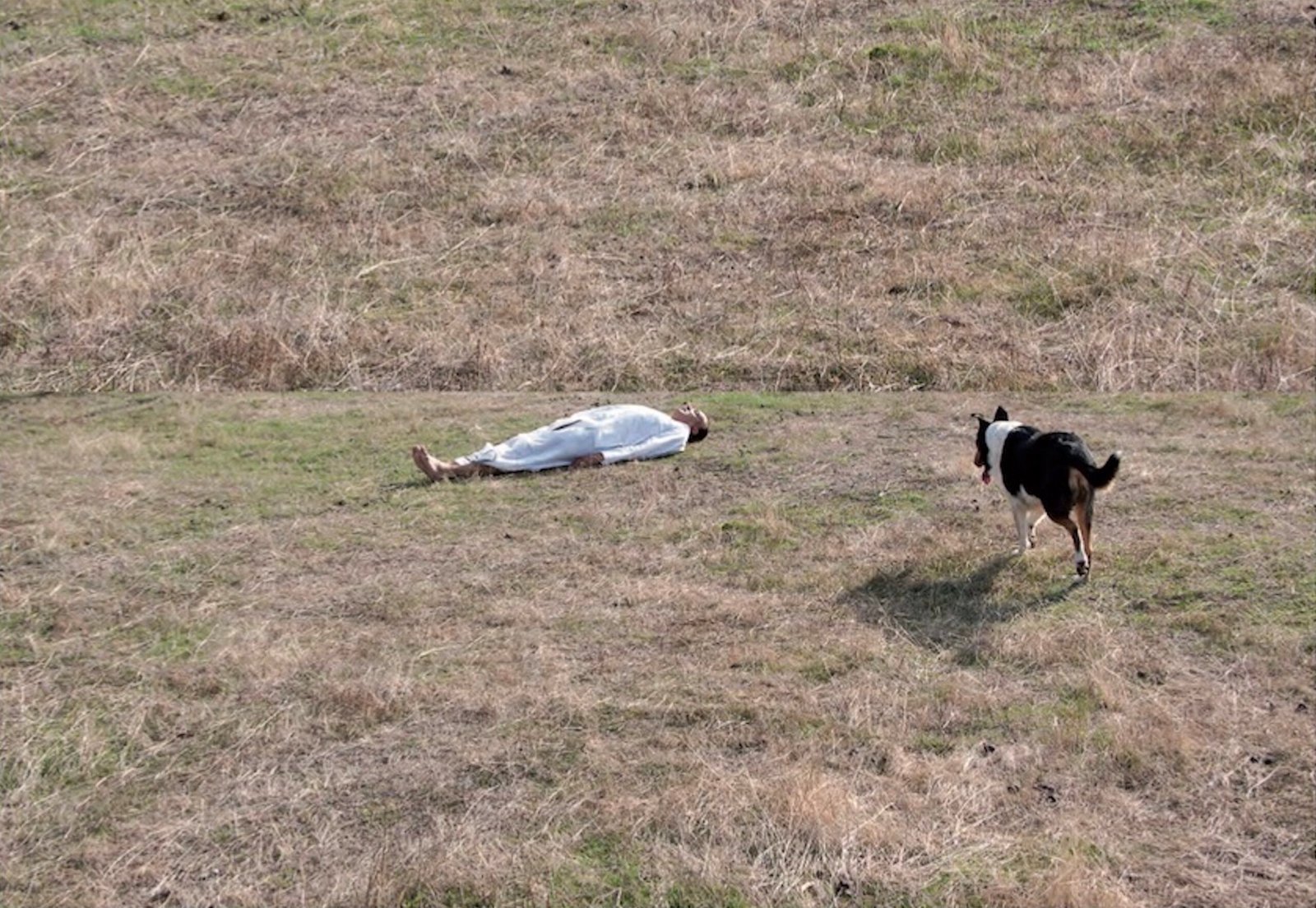
Rhett D’Costa, Between Dreaming and Dying, 2015 inkjet photographic print on 285 gsm Hahnemühle Fine Art Pearl paper, 97 x 66 cm (framed), edition of 3. Personal collection.
He lies on the bleached grass, closes his eyes and dreams about living and dying and the space between Fryerstown, Australia and Colaba, India. He feels like the character in Jeff Wall’s photograph, Citizen (1996) ... asleep on the fringe of belonging and unbelonging.
He could feel the contradictory sensation of rising and falling simultaneously. Rising to the celestial stars, while sinking deep into the earth. With each breath he imagined feeling the invisible song lines pass beneath his body leading him to the Dreamtime of the First Nations peoples of this land. Deep ancestral knowledge. A sacred consciousness and connection to terra. Lying on this land in Djarra country he was able to dream of Bombay as seven islands before land reclamation. And India and Australia before colonisation.
Is this what it means to be mixed race he wondered? Not a division on racial lines. Not half souls belonging to two cultures. But rather, as another interpretation of Homi Bhabha ‘doubling’ experience, one which is expansive and inclusive, connecting rather than separating, that connects us to each other and place.
He knows he will eventually die on the rich alluvial clay soils on Djarra country. Perhaps his ashes will be scattered here. He wants this to be clear. He has his mother’s ashes which he doesn’t know what to do with. He wished he’d had this conversation with her before she died. He thought of taking them back to India to leave at her parents’ graves. Or scattering them in a memorial garden he was developing at his home. Returning ashes to land seemed right but he didn’t know which land she thought she belonged.
He was aware of just how contested this land he was lying on is. The unceded lands of the Dja Dja Wurrung. Land stolen from the Djarra people by white settler colonisers. Terra Nullius was a legal fiction, a declaration used to justify the invasion of Australia and subjugation of its people hundreds of years ago by the United Kingdom... In translation from the long-dead language Latin it means “Nobody’s Land” or “Empty Earth”. There were people in Australia when the United Kingdom came; there had been for tens of thousands of years. The declaration of Terra Nullius had the direct effect of defining the Native inhabitants as non-people.⁴
There were wars over this land. As Aboriginal activist, writer, and academic Marcia Langton points out in her catalogue essay for the exhibition, 65,000 Years: A Short History of Australian Art:
Researchers at the University of Newcastle have studied the records of massacres and found references to at least 10,000 Indigenous people killed in 416 massacres between 1788 and 1930, with more massacres recorded between 1860 and 1930 than earlier. These numbers are a minimum, as most massacres were not recorded.⁵
She adds, “as Rachel Perkins, Arrernte/Kalkadoon director of the 2022 SBS series The Australian Wars, states: ‘If there was ever a time for the Australian people to understand how their nation was born, the time is now ...’ ”⁶
Yet despite the many attempts at “truth telling” of Australia’s darker histories, there remains resistance from large parts of our society—particularly from rightwing political parties who fail to accept this as necessary work that must be done, so that “Re-imagining the colonial experiences of the ancestors [can] become a pathway to remembrance and cultural continuity”⁷ not only for First Nations people, but also for settler Australians to reconcile their own generational psychological traumas resulting from colonisation. As Langton goes on to state, “Truth-telling is a form of restorative justice.”⁸ First Nation peoples continue the long, hard fight against Australian laws, successive governments, and powerful mining companies in their ongoing struggle to seek rights and control of their unceded land.
Back in London, it is past closing time at Thyssen Krupp & Associates. The assistant focusses his gaze in the mirror, straightening his worsted wool suit. He takes more care than usual, adjusting his lapel, bow tie and waistcoat. Studying his reflection carefully, he knows that the Indian in the photograph can never be who he is. His whiteness guarantees this. Knowing this assures his place in the world, somewhere higher in the order of things than the Indian. He smirks. Leaving his workplace, he decides to walk to clear his head. Walking through the city created a feeling of belonging. This was before foreigners started arriving. Now it was becoming unfamiliar and disorientating because so much was changing. To deflect such distressing thoughts, he imagines a place elsewhere. Warmer. But not foreign. A small country town in Australia perhaps? Where there are eucalyptus trees and people speak the same language and have the same skin colour. Comforting thoughts. He fantasises walking in this countryside and sleeping in a field away from the conforming structures of his present life. His imaginings longed for less complexity and expectation. He wanted to feel his body sink into firm terra. This grounding he hoped would be his salvation, clear the fog of bitterness and anger he was feeling daily. Nearing his neighbourhood, well away from his workplace, he looks forward to a nice cup of tea ... at home.
In his foreword to Fanon’s Black Skin, White Masks, Appiah highlights Fanon’s exploration of the psychological damage colonialism and racism causes for colonised peoples and the coloniser.⁹ For the subjugated colonised this trauma (beside other manifestations), causes self-doubt and inferiority. While for the oppressing coloniser it destabilises their sense of humanness.
Appiah discusses how Fanon draws on his own experiences of life in the French Caribbean to examine the impact a dominant colonial culture has on the psyche of the colonised: “Black children raised within the racist cultural assumptions of the colonial system, can partially resolve the tension between contempt for blackness and their own dark skins by coming to think of themselves, in some sense, as white.”10
A sense of belonging to place is intrinsically connected to Anglo-Indian identity. ‘Home’ for Anglo-Indians has been a complex and contested site. Not helped by the fact of having an image of itself as a ‘homeless’ community within the country of their birth.
Home is not simply a physical location but a socially constructed concept. Prior to Indian Independence in 1947, the spatial politics of home for Anglo-Indians was shaped by imaginative geographies of both Europe (particularly Britain) and India. Although Anglo-Indians are born and domiciled in India, they have not, historically, and contemporaneously, been able to feel as if India is their home. Instead, and ironically, they imagined Britain as home and a British way of life, despite being largely excluded from it. As academic Alison Blunt describes, “In many ways, Anglo-Indians imagined themselves as an Imperial diaspora in British India. [However], Indian nationalism and Indianisation gave new political urgency to Anglo-Indian ideas of home and identity.”11 With the British leaving India and India reclaiming its own postcolonial vision of itself, Anglo-Indians were left to question their own sense of being and belonging. As Blunt notes, “The idea of a homeland is [...] bound up with the politics of place, identity and collective memory.”12 Adding:
[...] claims to ‘natural sovereignty’ are often closely tied to claims of national sovereignty, as the idea of homeland is often mapped onto national space. Ideas of both homeland and nation exist materially and imaginatively and may relate to a place that exists in the present or as a dream, is remembered from the past, or is yet to be created.13
Referring to the German term heimat, beyond the more usual historical references used to signify racial superiority and exclusivity in Aryan sovereignty, Blunt cites academic Christopher Wickham’s writing on artistic depictions of heimat, noting how he believes that the term is no longer necessarily bound to ideas of the nation, but rather evokes longing and belonging, serving “as a point (or sets of points) of reference for individual social identity.”14 Wickham states: “for artists of the late 20th century heimat is not of the past; it has a place in the process of moving from the present to the future and is constantly under construction; there can be no question of return.”15
In Palestinian artist and art historian, Kamal Boullata’s introduction Sharing a Meaning: An Introduction, he draws on historian Frederick Bohrer’s discussion of the shared meaning of the word ‘belonging’ across English and Arabic lines. According to Boullata, Bohrer’s accounts of the English meaning of the word originally before it implied possession or ownership, had more spatial implications associated to its meaning. Belonging alluded to two things that sat in parallel or ran alongside each other in length, not necessarily in the same place, but that shared something significant wherever they were located. The Arabic meaning alludes to activity that unfolds over time.16
In conclusion, notions of belonging, of having ‘homeland’, and a place to land, is an elusive and poetic proposition that unfixes a singular location and advocates a more temporal spatiality. One which provides opportunities to reclaim terra across multiple modalities of time and space. Seen together with Wickham’s comment of home being constantly under construction, it creates a state of possibility to hope, dream and imagine. Within the ‘topsy turvy’ consequences of colonisation, migration, displacement, and globalisation, perhaps the ameliorative ‘shimmering space’ of Anglo-Indian experience can act as a model which locates the idea of ‘terra’ as simultaneously ‘on firm ground’ and ‘fractured and fragile’. Perhaps the colonised Anglo-Indian and the colonising English assistant will begin to understand the lens through which they view their futures has a shared narrative. One which posits them as post-colonial, global citizens in a historically unequal world.
Endnotes
¹ dos Santos 58.
² Ibid. 50.
³ McCluskieganj is the most cited example of the Anglo-Indian community’s attempt at finding a site to live as a community. For a contextual reference, see Anglo-Indian filmmaker, Paul Harris’ 2009, Dreams of a Homeland, 2013, DVD, Go More Films, Melbourne.
⁴ Coleman 131
⁵ Marcia Langton 10
⁶ ibid. 10
⁷ ibid. 10
⁸ ibid. 17
⁹ Kwame Anthony Appiah (vii).
¹⁰ ibid. (ix).
¹¹ Blunt 2.
¹² ibid 74.
¹³ ibid. 74.
¹⁴ Wickman C.J., quoted in Blunt 75.
¹⁵ ibid.
¹⁶ Bohrer, quoted in Boullata 12–13.
References
Appiah, Kwame Anthony. Foreword. Black Skin, White Masks re. ed., by Frantz Fanon, Grove Press, 2008, pp. vii–x.
Blunt, Alison. Domicile and Diaspora: Anglo-Indian Women and the Spatial Politics of Home, Wiley-Blackwell Publishing, 2005.
Boullata, K. “Sharing a Meaning: An Introduction.” Belonging and Globalisation: Critical Essays in Contemporary Art & Culture, edited by Kamal Boullata, SAQI, 2008, pp. 11–21.
Coleman, C. G. Terra Nullius. Hachette Australia, 2019.
D’Costa, R. Shimmering Spaces: Art and Anglo Indian Experiences. 2016. RMIT University, PhD dissertation.
dos Santos, L. G. “Belonging and Not Belonging.” Belonging and Globalisation: Critical Essays in Contemporary Art & Culture, edited by Kamal Boullata, SAQI, 2008, pp. 49–60.
Langton, M. “65,000 Years: A Short History of Australian Art.” In 65,000 Years: A Short History of Australian Art, edited by Marcia Langton AO, Judith Ryan AM, Thames & Hudson, 2025, pp. 7–27. [Exhibition Catalogue].
Itoe China Town of Java, jang seanteronja tempat ditinggalin oleh orang Tionghoa meloeloe, dengen loeroeng-loeroengnja jang soenji di mana masih kadengaran soearanja babi di sana-sini hingga membawa soemanget kita terbang ke tepi Huang Ho. —1935, Z.O.Z and Tan Hong Boen, Orang-Orang Tionghoa Jang Terkemoeka di Java.¹
The Story about ‘Imagined Terra’
The quote above seems to convey the feelings of Chinese people (someone with the initials ZOZ and Tan Hong Boen), who describe Lasem as Java’s Chinatown, closely tied to emotional connections by associating the urban space of Lasem in Central Java and its urban landscape with ancestral land in China, specifically along the Yellow River (Huang Ho). The details of the Chinatown atmosphere in Java, with alleyways like those in Mainland China and the sound of pigs, make the sentence above depict that diaspora spaces are not only places to live, but also a medium to evoke hometown experiences that they may never have set foot in or even known because they are Chinese Peranakan.² Not a monumental landmark, but the mention of residential laneways with high, quiet walls and the sound of pigs is a daily depiction, becoming a marker of the collective memory of residents in representing Lasem, which is famous by the nickname ‘Little Tiongkok (China)’ of Java.
The ancestral land in China and the land where the Lasem Chinese Peranakan reside are parts of the ‘terra’ of their identity. Lasem as the ‘physical terra’ where Lasem Chinese Peranakans take root to become Indonesian yet where they can still imagine China as an ‘imagined terra’ in which the Yellow River (Huang Ho) symbolises the root of ancestral identity and the self. Furthermore, the quote above also shows a hybrid identity in which Lasem is depicted as a space of life, memory, resilience, and even imagination about ancestors and ancestral land in Quanzhou, Fujian (Hokkien). Quanzhou, a historic coastal city in Fujian Province, China, is known as the starting point of the ancient Maritime Silk Road. The city was also known as a busy port and trading city in the 10–11th centuries CE, as well as a centre of Minnan (Southern Min/Hokkien) culture.
It is precisely this double inhabitation of terra, the physical and the imagined, the ancestral and the adopted, that Indonesian artist Arahmaiani brings into sharp artistic focus in her video work Shadow of the Past (2018), created in Lasem. Arahmaiani occupies a central position in this essay as its primary creative case study, for her practice enacts the very tensions this text seeks to theorise. Her work in Lasem is not merely illustrative; it is constitutive of the argument. Arahmaiani’s engagement with Lasem’s cultural landscape shaped by generations of Peranakan Chinese negotiation between their ‘terra of origin’ and their ‘terra of dwelling’, provides the essential bridge between the historical data examined in the following sections and the contemporary discourse on ‘terra’ as a site of memory, identity, and ecological care. For Arahmaiani, Lasem is a living instantiation of what she calls Mater Terra or Mother Earth as a feminised and relational understanding of land that refuses the extractive logics of both colonial dispossession and patriarchal governance. Her work thus serves as the interpretive lens through which the historical and theoretical arguments of this essay are brought into dialogue with the living present of Lasem’s cultural acculturation.
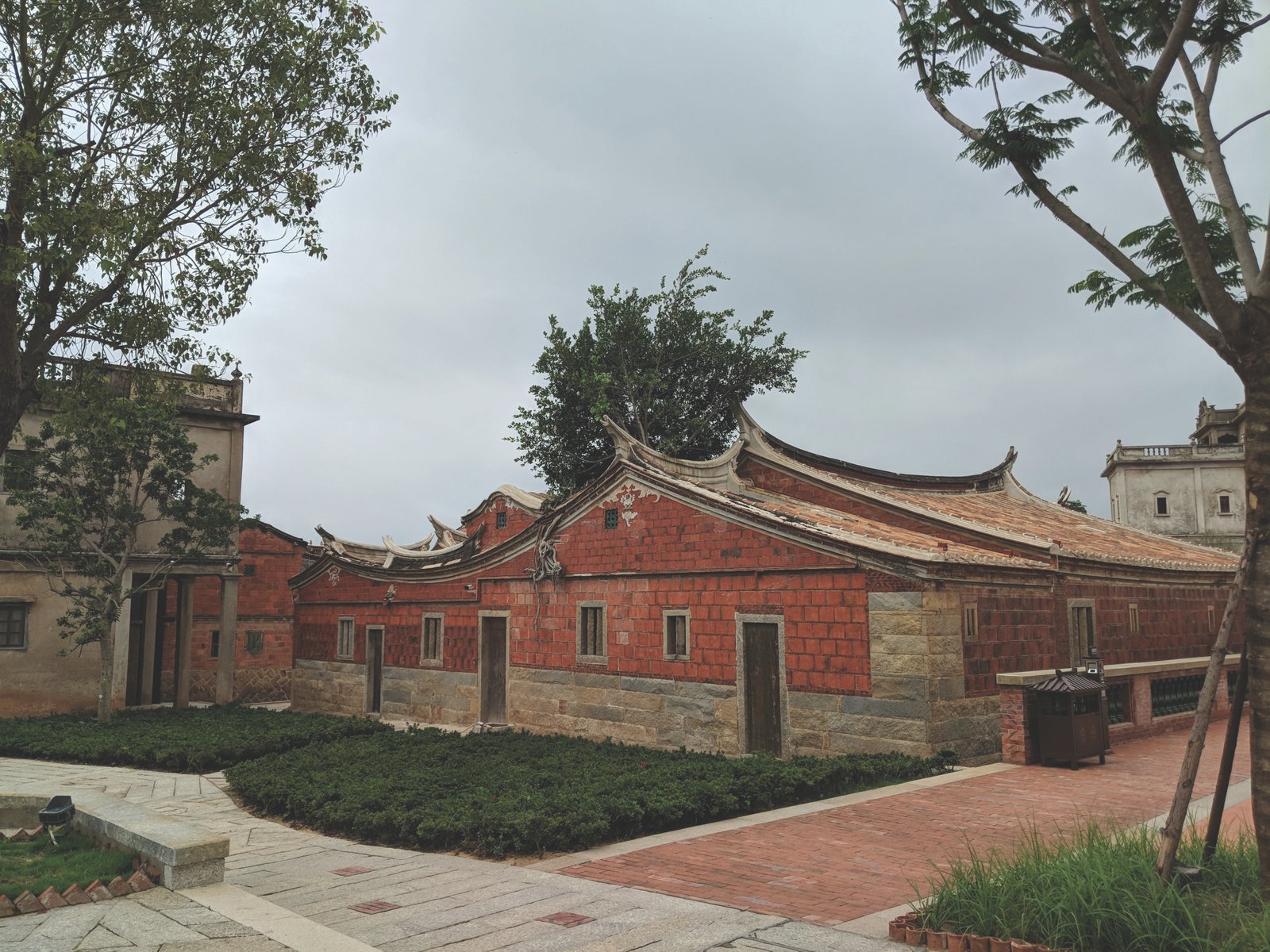
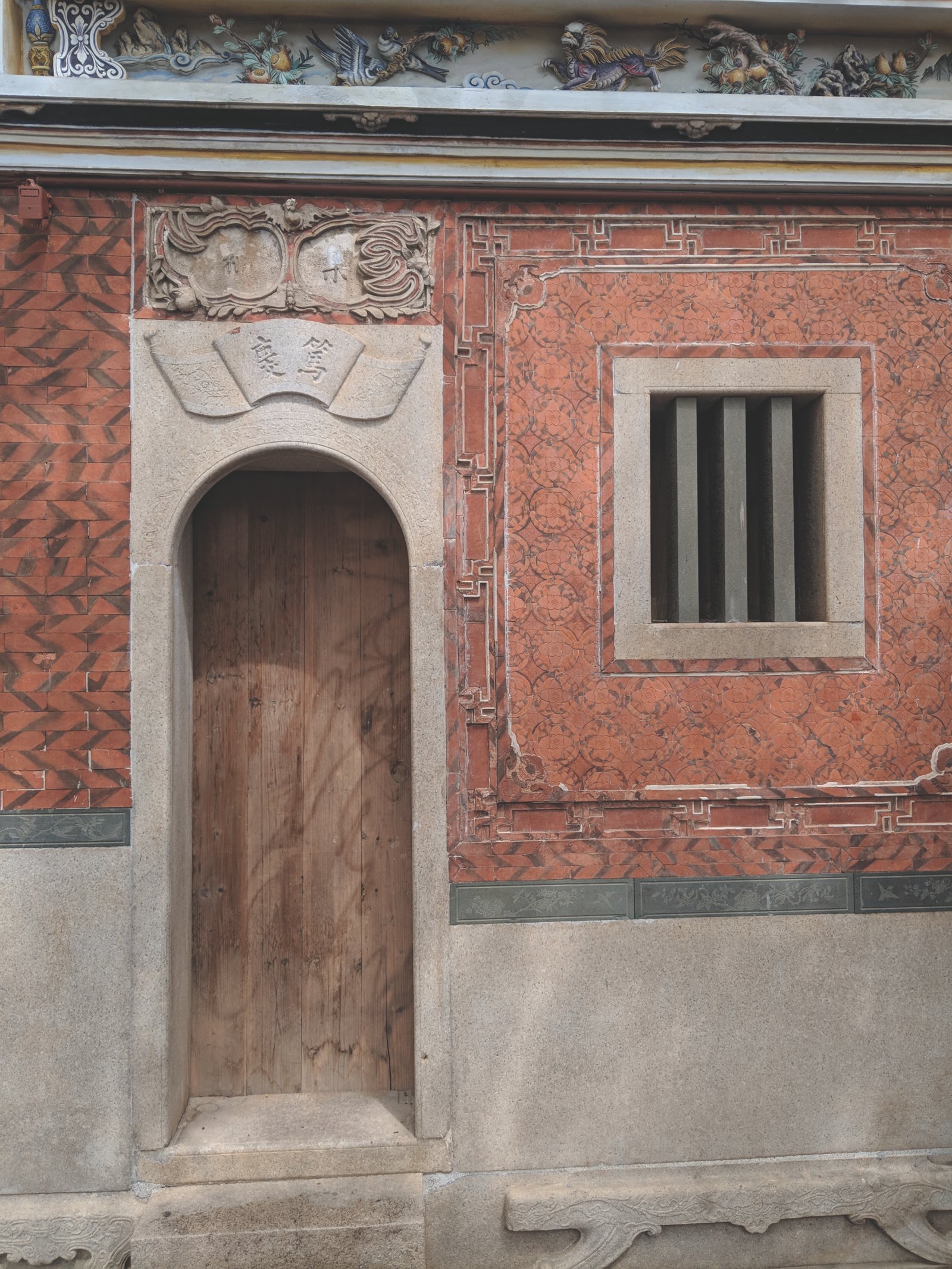
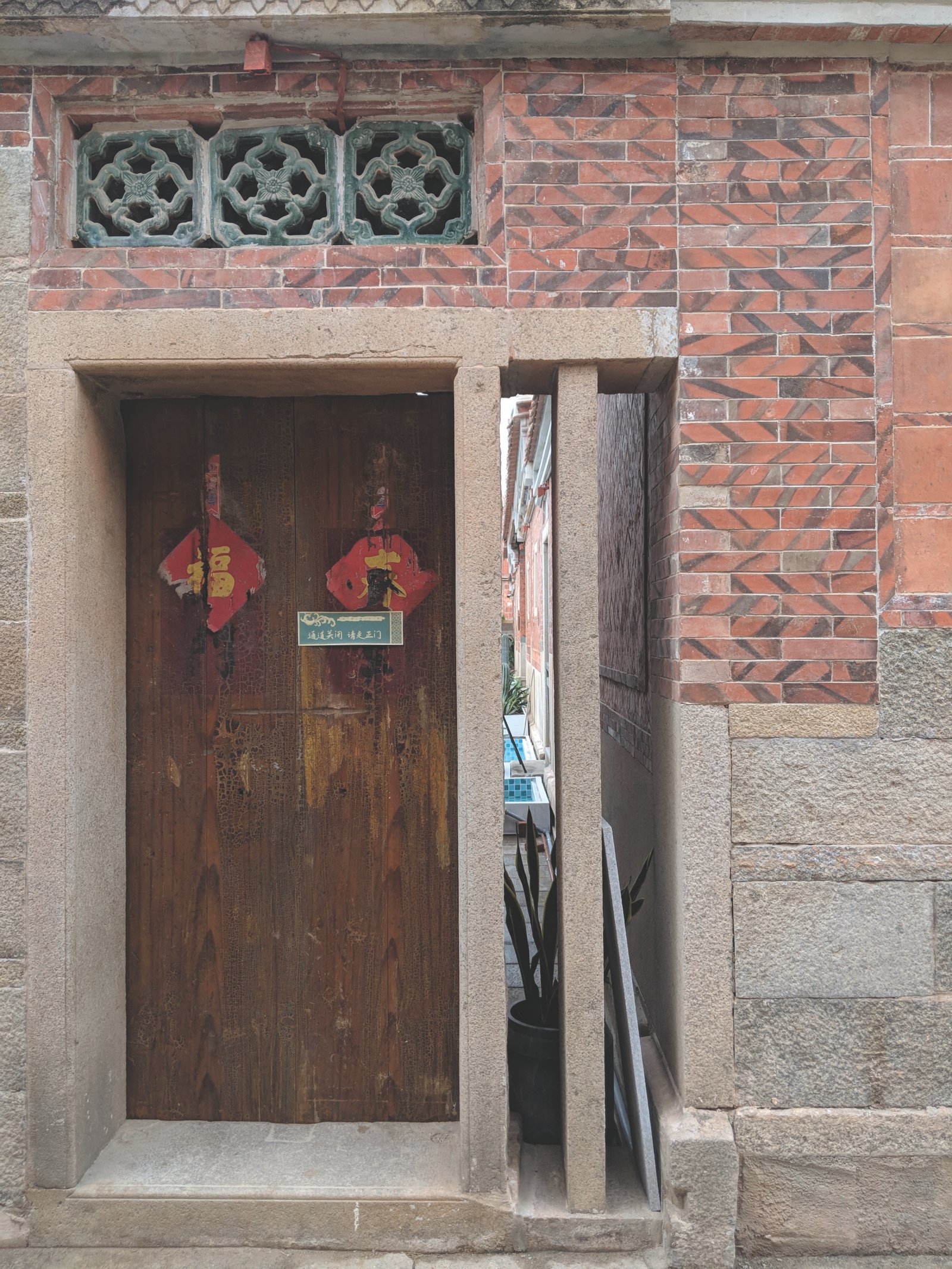
Swallow-tail roof houses, with architectural elements of walls and floors made of terracotta, are characteristic of old Quanzhou settlements, which became a UNESCO World Heritage Site in 2021 titled Quanzhou: Emporium of the World in Song-Yuan China. This recognition reinforces Quanzhou’s importance as a bustling global maritime trade port in the 10–14th centuries CE. Photo: Cory Crossman.
Finding Terra
The concept of ‘terra’ related to the cultural phenomenon of the Chinese Peranakan in Lasem is in line with the definition of terra, which has many variants, such as terra meaning earth and soil, solid ground (terra firma) or fired clay (terracotta), and a broader place in the universe that supports human life and other living things.
In art and critical thought, ‘terra’ serves as both material and metaphor, encouraging contemplation of the many connections between land, culture, environment, and knowledge. Artists have always used the earth as a medium and as a way to learn about environmental and societal issues. Robert Smithson’s Spiral Jetty (1970), Joseph Beuys’s 7000 Oaks (1982), Khvay Samnang’s Where is My Land? (2014), and Tang Da-Wu’s She Asked the Forest for a Moment of Stillness (2023) are all examples of how terra can be used as a material intervention and a metaphorical framework to bring up issues of territory, ecological vulnerability, and cultural memory.
In this regard, artists and researchers can be understood as ‘terra’ in several dimensions. For example, terra relates to physical soil; it is a metaphor for various phenomena such as identity, memory, resilience, the life processes of the universe and the environment, including social change; terra can also be interpreted as a metaphor for the place where contact between humans and their environment occurs, as well as the negotiations that take place between the two. From contemporary artworks and critical theories across various fields of science, the concept of terra has developed into an approach to understanding humans, the environment, history, and the complex dynamics of their relationship. The soil ‘terra’ is not only seen as the material of a work of art but can also be responded to as a variety of conceptual approaches to a ‘place’ and ‘space’ with diverse meanings.
Scientists such as anthropologists and historians have also responded to the conventional concept of ‘terra’. The thinking of anthropologist Bruno Latour and historian Dipesh Chakrabarty fundamentally challenges the notion of ‘terra’ as a passive, inert backdrop to human affairs, recasting it instead as an active and contested site of political and epistemological struggle. In his 2018 work Down to Earth: Politics in the New Climatic Regime, Latour argues that the Earth can no longer be conceived as a neutral surface upon which human history unfolds. He introduces the figure of the ‘Terrestrial’, a political actor constituted by the entanglement of humans and their material environment. For Latour, ‘terra’ is not mere ground; it is an agent that pushes back, that shapes politics, that demands allegiance. This is a provocation directed at the Enlightenment inheritance of separating nature from culture and human from non-human.
In the context of Lasem, Latour’s framework invites us to see the city’s landscape not simply as a stage for cultural memory but as a co-producer of that memory: the terracotta bricks, the swallow-tail roofs, the soil of Lasem’s alleys are themselves participants in the making of Peranakan identity. The land is not a passive receptacle for diaspora sentiment; it actively conditions what forms of belonging become possible.
Dipesh Chakrabarty, in The Climate of History in a Planetary Age (2021), extends this challenge into the domain of historiography and postcolonial thought. Chakrabarty argues that the Anthropocene forces historians to reckon with the Earth as a geological and planetary force, one that profoundly complicates earlier assumptions about human agency and historical progress. Where postcolonial and subaltern history sought to recover marginalised voices from beneath the weight of colonial narratives, Chakrabarty now asks how those very narratives must be rethought in light of a planet that is itself becoming historically legible. His concept of the ‘planetary’ does not erase the political but folds it into a deeper temporality, one in which land, soil, and atmosphere are themselves historical actors bearing the marks of human decisions across centuries. For the study of Lasem, Chakrabarty’s perspective is especially generative: the terracotta of the Fujian diaspora, imported and adapted across ocean and time, embodies precisely this layered temporality in which geological material, colonial politics, and intimate identity are all simultaneously at stake. In this evolving perspective, ‘terra’ becomes a conceptual framework for understanding not only how humans live on and shape the earth, but how the earth, in turn, shapes the conditions of human memory, community, and political life. The question then becomes: how does the concept of ‘terra’ manifest within Lasem’s memory as a historic city, its cultural layers having settled and been inscribed within the very soil and fabric of its built environment?
The house gates and fence walls are made of terracotta; the gate and door leaf design is unique because it differs from that of gates in Quanzhou; the use of Chinese characters on the gateway is unusual in Quanzhou, yet used in Lasem. (Photo: Agni Malagina).
Living with ‘Terra Diaspora’
Lasem is a subdistrict town in Rembang Regency, Central Java, Indonesia. Located on the northern coast of Java, this town covers 4,504 hectares and is traversed by the Greater Post Road (Groote Post Weg), built during Dutch colonial Governor-General Herman Willem Daendels’ administration (1808–1811). Thanks to the road, Lasem developed to become a ‘town’. More recently, the town has acquired various nicknames ranging from Kota Batik (Batik Town), Kota Santri (Santri Town), Old Town Lasem, Heritage Town, to Little China or Little Beijing.3
For several centuries, Lasem has been a destination and favourite place for immigrants from China. Since the 15th century,4 Chinese people had sailed with junks to the Nanyang (南洋 or South Seas, a terminology for Southeast Asian countries) or Nusantara (Indonesia), on various missions, expeditions, education, seeking a better livelihood, fleeing natural disasters and political turmoil, trading, and others. In general, researchers such as Henri Borel, Ong Eng Die, Anthony Reid, Claudine Salmon, Wang Gong Wu, and others state that the Chinese in the Nusantara came from the southern coastal provinces of China, Fujian and Guangdong. The number of ethnic Chinese in Rembang–Lasem in the 19th to early 20th century ranked third after Batavia and Semarang.5 In 1900, their number ranked fourth after Batavia, Cirebon, and Semarang.6 This indicates that Rembang–Lasem was one of the main destinations for Chinese immigrants in the Dutch East Indies. Previously, Lasem was a principal destination for Ming loyalist Chinese migrants who went to several main regions in Indonesia, namely Aceh, Banten, Batavia, and Rembang–Lasem.7
From left to right: the swallow-tail roof made of terracotta still survives at the residence of Captain Lim Ki Siong (Photo: Feri Latief); The roof of Cu An Kiong Temple (Photo: Astri Apriyani); The gate shaped like a swiftlet roof, and the courtyard floor made of terracotta (Photo: Agni Malagina).
Petit Chinois, Little China, or Little Beijing became labels for Lasem’s Chinatown, filled with grand buildings (family courtyards with multiple buildings) that seemingly aim to stand apart from other Nusantara Chinatowns. It is thought to have been established as early as the 10th century—the remains from the Majapahit era at the Caruban site along Lasem’s coast are tangible evidence of the arrival of Chinese in Lasem. Likewise, Binangun, said to be the helmsman of Admiral Zheng He’s ship, who later settled in Lasem, is suspected to have come in 1345.
Similarly, this town was also famous as a source of timber and a centre for the best shipbuilding in the Dutch East Indies since 1650, as it was located in the Residency of Rembang, which covered areas extending to Blora and Bojonegoro and was a producer of the best teakwood in the Nusantara. This former hub of the Dutch opium trade is closely associated with intangible cultural heritage remnants, including 235 old houses in the villages of Soditan, Sumbergirang, Karangturi, Babagan, and Gedongmulyo. Lasem became a unique Chinese settlement area in Indonesia because shophouses, commonly found in most Chinatowns in Indonesia, Singapore, or Malaysia, are absent. All residential buildings are large houses or villas with Chinese (Quanzhou), Indische Empire, and colonial architecture.8 Described as an opium funnel, Lasem, together with Rembang and Juwana, became port towns where opium landed before being distributed to the interior of Central Java. This further reinforced Lasem as a trading and cosmopolitan city due to the large volume of opium trade in the 19th century.9
In addition to Fujian-style houses with swallow-tail roofs, there are large houses in the Indische Empire and Indies Chinese Style, believed to have been built throughout the 19th century. The existence of these houses denotes Lasem’s heyday as a trading town, opium town, batik town, shipbuilding industry town, and teak trade town in the 18–19th centuries. (Photo: Agni Malagina).
Not only is this heritage in Lasem manifest in the remnants of ancient buildings, it is also —because of its cultural contact with Java, the Arab world, Persia, China, and Europe—present in a form of northern coastal batik,10 famously known as Lasem Batik, alongside other batiks of the coastal cities in Java. The golden age of batik companies founded by the Lasem Chinese began around the 1860s. Batik enterprises at that time were the most profitable business after the opium trade.11 Lasem Batik entrepreneurs relied on about 2,000 workers for the artistic process and about 4,000 workers for other processes. In 1930, during the golden age of Lasem Batik, there were 120 batik production houses, all owned by Chinese entrepreneurs with a batik trade network covering the entire archipelago, extending out to Singapore, Malaysia, and even Suriname.12
Linking Terra with memory, adaptation, and resilience
Amos Rapoport, a renowned architect and researcher who studied “the role of cultural variables, cross-cultural studies, theory development, and synthesis,” argues that the creation of a type of dwelling is caused by culture as its main determinant. Following Rapoport’s view, the form of the Little China Lasem buildings reflects the interaction of Javanese, Chinese, Arab, and European cultures in the coastal cultural crossings of Java. Likewise, architectural elements preserved as cultural archives in Lasem, such as swallow-tail roof elements, floors, and terracotta walls, are cultural symbols carried by the Chinese diaspora.13
According to architect and urban historian, Handinoto, most Chinese settlements in Southeast Asia, in general, and in Java in particular, originated from two provinces in southern China, Fujian and Guangdong. Fujian and Guangdong have long coastlines and are geographically similar to cities on Java’s northern coast. Therefore, settlement patterns originating in southern China transferred the basic spatial patterns of port areas in southern China to port cities on Java’s northern coast, including the city of Lasem. From “terra Fujian” arriving at “terra Lasem,” hoping to settle forever, the Chinese diaspora in Lasem and their descendants called Lasem 我森村 ‘wǒ sēn cūn’, ‘Lasem my hometown’ or ‘my land’ as written in the inscription of the Cu An Kiong temple renovation in 1838.
Terracotta floors became a characteristic architectural element brought from Quanzhou to Lasem. Houses built in the late 18th or 19th centuries largely used terracotta floors, which are suspected to have been imported from Quanzhou. (Left photo: Didiet Maulana. Right photo: Agni Malagina).
The architectural style of Lasem’s Chinese quarter is a blend of southern Chinese architecture (the origin of most Chinese people in Lasem), Javanese architecture (coastal and Mataram), and Dutch architectural influences, which developed over time. Pratiwo, in his 2010 book Arsitektur Tradisional Tionghoa Dan Perkembangan Kota, states that Lasem’s architecture has evolved toward modern architecture today. The Lasem Chinese quarter consists of land plots ranging from 500 to 3,000 square meters.14 Currently, at least 235 land plots and old houses remain scattered in the villages of Soditan, Sumbergirang, Karangturi, Babagan, and Gedongmulyo.15 Some characteristics of the houses in Lasem are as follows: courtyards, roof forms such as Quanzhou’s characteristic swallow-tail roofs and Dutch Indies gable roofs, structural elements such as terracotta floors and walls, and simple building colours.
Terracotta floors became a characteristic architectural element brought from Quanzhou to Lasem. The artificial stripe motifs made on curved walls and decorative ornaments above the arches of Lasem house doors are motifs inspired by decorative terracotta motifs on house doors from Quanzhou – the far-right photo is a house door in Quanzhou. (Lasem house photos: Agni Malagina. Quanzhou door photo: Cory Crossman).
The ‘Terra’ element dominates the vernacular architectural style of Peranakan Chinese residences in Lasem. Swallow-tail roofs, tiles, walls, and floors made from Quanzhou’s characteristic terracotta become one of the markers of ‘ancestral heritage’, memory, and identity preserved and guarded by the Lasem Chinese Peranakan. An interesting artistic adaptation to observe is the use of terracotta motifs on walls: the terra and black walls in Quanzhou are made of terracotta bricks produced by a natural firing process. Meanwhile, the red-black zig-zag motif adaptation on wall ornaments in Lasem was a painted technique by incising lines that mimic the form of brick arrangements on the cement layer of the wall. Adding red-black zigzag patterns over the wall achieves the impression of Quanzhou terracotta bricks, an artistic visual illusion created to preserve the identity of Quanzhou vernacular architectural elements in Lasem by the Fujian diaspora community.16
Adapting Quanzhou’s zig-zag terracotta motif into a cement wall motif requires effort to sustain the original identity.17 This process is also an adaptation to the land of settlement, a new environment, while simultaneously forming a hybrid architectural element that differs from the original. Furthermore, the architecture of buildings in Lasem, built by the Fujian diaspora, demonstrates acculturation, adaptation, and community resilience by presenting Minnan Fujian architecture from the Chinese ‘terra of origin’, while combining Javanese and Colonial architectural techniques and styles in the ‘new terra’ of Lasem.
Migration and changes in permanent residence often lead to major transformations, yet diaspora communities can also maintain their identity and culture through cultural adaptation. Thus, in the context of the Quanzhou-Lasem relationship, especially in the terra elements visible in architecture within the cultural landscape of Lasem city, the placement of terracotta bricks and floors, ornamental elements, floor patterns, other terracotta objects, spatial arrangements and terra in garden and neighbourhood layouts not only show aesthetic form, but also become cultural production practices that represent negotiations of identity, memory, territory and efforts of resilience by the Chinese Peranakan community in Lasem. Transcending geographical boundaries, living cultural heritage, traditions and rituals form an imaginary community that connects various locations within the Chinese diaspora through its cultural network.
The artist responds to Lasem as a Mater Terra
Indonesian artist Arahmaiani responded to Lasem’s cultural landscape with a work titled Shadow of the Past (Video, 2018).18 For her, Lasem is not just empty land without memory. She remembers her grandmother, whom she often called Mak Ijah, a woman of Chinese descent who married a Muslim man and who once took her to Lasem when she was young. Her grandmother was an Islamic preacher and sold Lasem Batik cloth that she herself brought from relatives’ homes in Lasem, making Peranakan encim kebaya.19 Kebaya encim is a traditional embroidered blouse worn by Chinese Peranakan women in Indonesia and Singapore, representing a blend of Chinese, Malay, and European cultural influences. Characterised by vibrant colours, lightweight materials, and detailed needlework, it emerged in the 19th century as a symbol of elegance, femininity, and high social status among Chinese Peranakan families.20
The work set in Lasem tells Arahmaiani’s journey of making sense of her life practice studying animism, Hinduism, and Buddhism in Indonesia since the 1980s, especially the heritage of temples that stimulate the imagination, notably Borobudur Temple, the largest Buddhist temple in the world. She was also inspired by the Buddhist scripture Sang Hyang Kamahayanikam. She had researched the relationship between local Buddhism and Tibet in the past. A monk known as Lama Atisha, who became a reformer of Buddhism in Tibet and founded the Kadampa school, once studied at a Buddhist university in Srivijaya for 12 years, receiving guidance from a local master named Dharmakirti (known in Tibet as Lama Serlingpa). She pursued historical knowledge and Buddhist teachings from Indonesia during the Srivijaya kingdom in Sumatra and the Medang kingdom in Java (the Syailendra dynasty, founders of Borobudur), at the Sera Jey Monastery in India. For her, Nusantara Buddhism has a distinct uniqueness in which teachings from various streams and other beliefs can be combined and practiced in an open, syncretic cultural life. This became a characteristic of Nusantara culture where aspects of Buddhism, Hinduism, and Animism assimilate within a clear structure. And subsequently, the same strategy was developed when Islam entered the Nusantara region.
Her activities with monks and laypeople in the Lab Village, Khamp region of Tibet, over the past 15 years have aimed at addressing environmental problems, which of course also became her source of inspiration, and are related to the past in which she was born. The Tibetan Plateau, also known as the Third Pole and the Water Tower of Asia (because it is the source of the major rivers of Asia and the livelihood for more than three billion people), is now threatened by drying. Climate change, also known as global warming, has caused glaciers and even permafrost to melt rapidly, resulting in disasters. In the first five years, she, the monks, and the community succeeded in motivating residents in 16 villages to carry out tree-planting projects, revive organic farming systems, revive nomadic culture and traditions, manage waste and recycle, and create alternative energy systems. The Chinese government has since approved and supported this project.
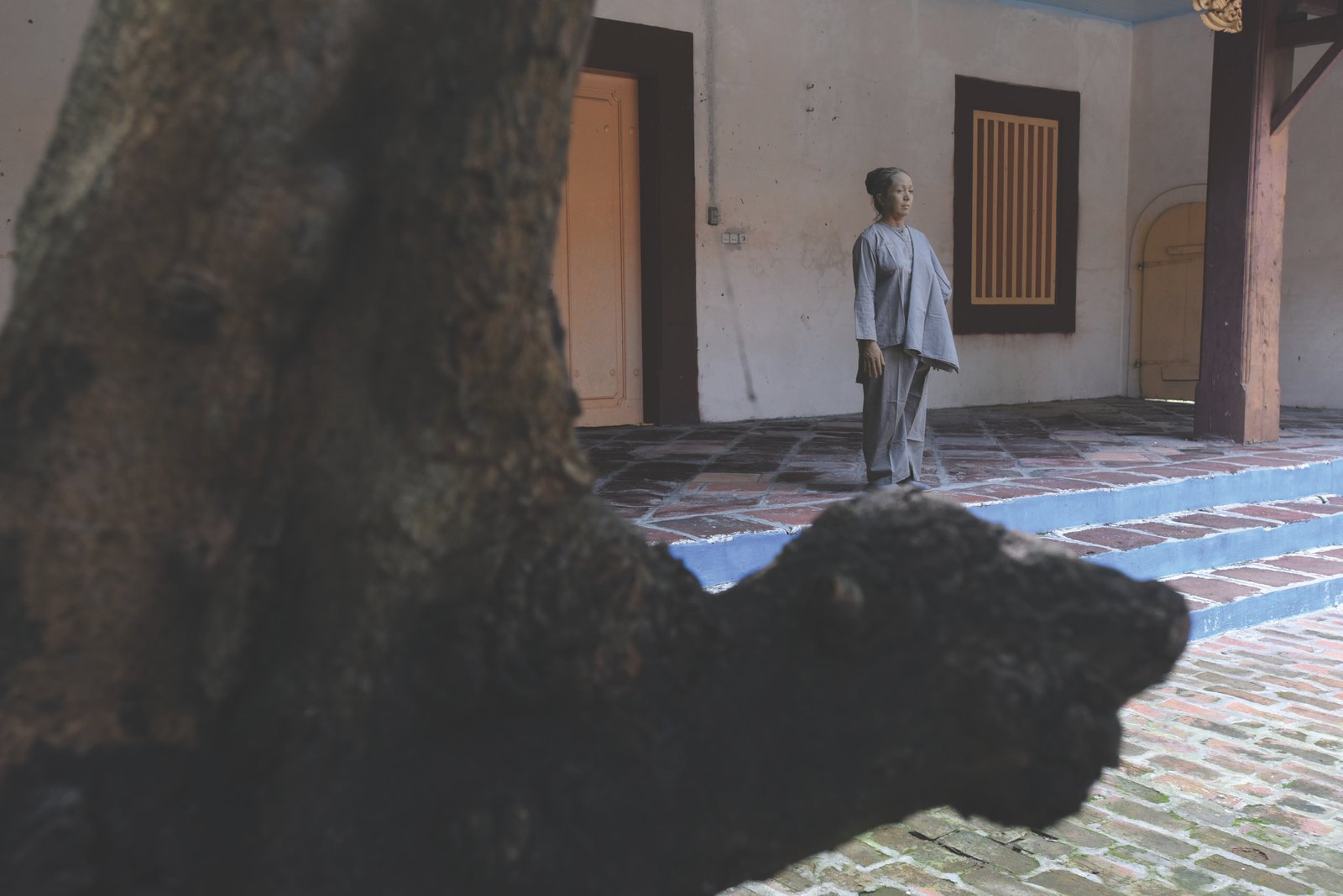
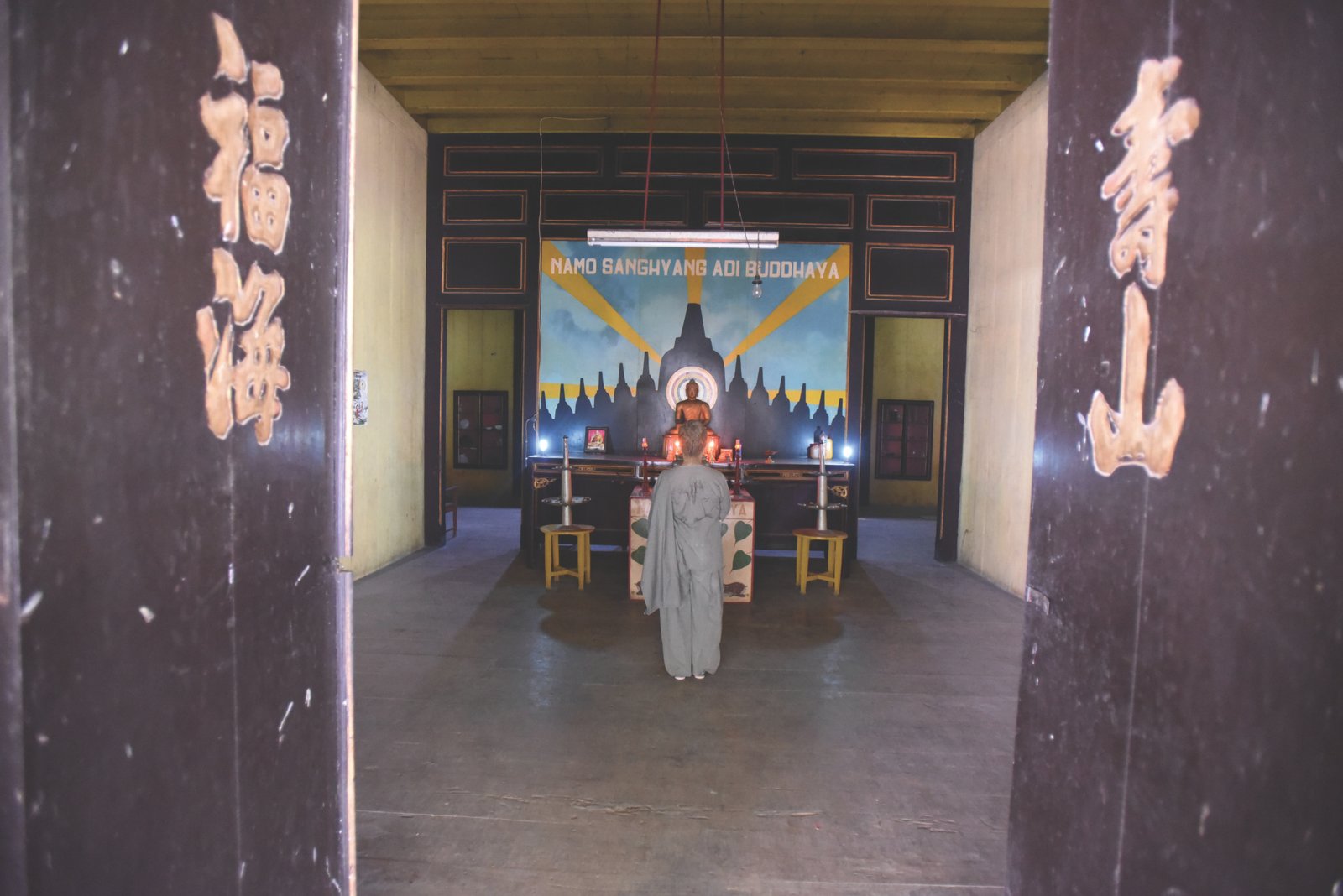
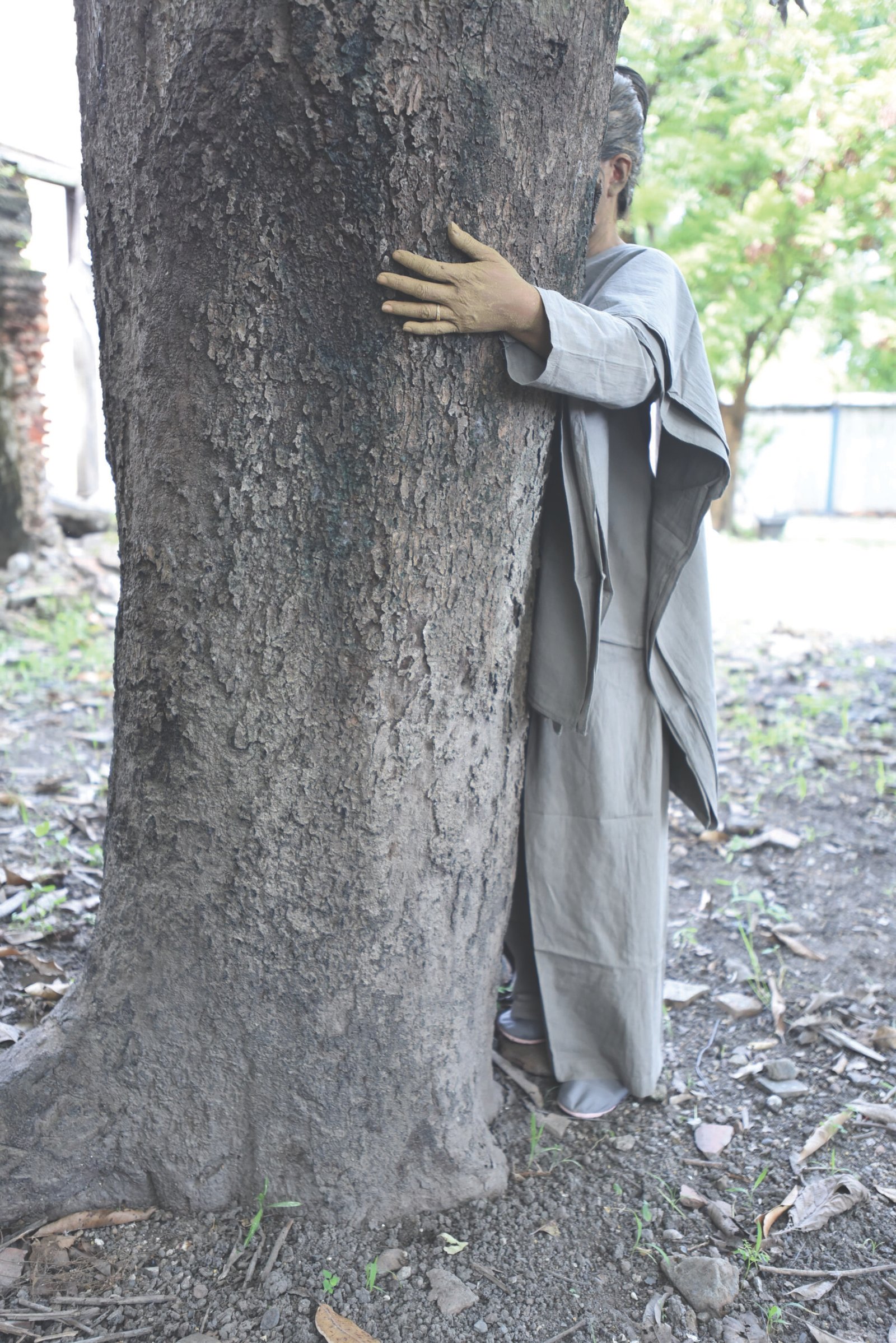
Arahmaiani’s performance work, Shadow of the Past, took place at the ‘Lawang Ombo’ Opium House, Karuna Dharma Monastery and Gambiran Street, Lasem. (Photos: Feri Latief).
Another side that is no less important and highly influential in shaping her ideas and thinking is her collaboration with scientists at the University of Passau in Germany, who have provided input on scientific developments, including their challenges, problems, and limitations. In addition, she collaborated with spiritual leaders of various faiths (Islam, Catholicism, Protestantism, Judaism, Hinduism, Buddhism) who, she says, have provided much input and stimulation, as well as an understanding of diverse religions, cultures, and “spiritual traditions.” Cutting-edge scientific discoveries that are “trans-disciplinary” have supported as facts that explain those spiritual teachings. This makes it possible for spiritual teachings to be understood in contemporary ways of thinking. Consequently, people can understand the principle of the “balance of feminine and masculine energy” and the need to counterbalance modern life, which tends to be material-oriented and treats everything as an object, placing women and minorities in secondary positions, as well as damaging the environment.
According to her, understanding history is very important in today’s context, as learning from the past helps overcome intolerance and hatred of the other that occur not only in Indonesia but also afflict global society today. She closely links this to the political divide-and-conquer games vigorously carried out by various parties pursuing power and money (patriarchal and dominated by men). How culture and religion are instrumentalised and create an atmosphere of hostility, where women and minorities are often targeted. Therefore, understanding and appreciation of differences or respect for diversity are needed. A lifestyle dominated by masculine and often materialistic energy has also contributed to environmental disasters. Nature, seen only as an object, becomes the target of greed and is destroyed indiscriminately, especially now that we are facing the phenomenon of armed conflict, which is causing damage to the environment and disrupting the social order. In ancient philosophy and indigenous cultures, nature is often depicted as female (as a representative of feminine energy). Indonesia is commonly referred to as Ibu Pertiwi—motherland, homeland, beloved homeland, the nation. A personification of the country Indonesia as one’s birthplace, homeland, or Mother Earth—Mater Terra.
Arahmaiani’s work is her reflection on today’s life full of problems and challenges on the planet earth threatened by ecological destruction, and on the suffering of the poor and marginalised in an unfair economic system that tends to be profit-oriented. She tries to imagine a brighter future for life and to change the misguided thinking that harms the earth. For Arahmaiani, Lasem in the work Shadow of the Past is an example and tangible proof of cultural acculturation between Chinese and local cultures (later termed peranakan culture). In Indonesia, the Chinese community are often targeted during political or economic crises. She encourages everyone not to be trapped in the power games of elite groups that tend to be deceitful and often sacrifice parties who are actually not involved, such as the Chinese minorities and other marginalised communities.
Terra reflections on the land where we live
The discourse on ‘terra’ for Chinese descendants or Peranakan in Indonesia, in general and in Lasem in particular, centres on the struggle for identity, the process of citizenship from the colonial era to the present, spiritual expression, community life, and the arts. For the Indonesian Chinese Peranakan, China is the land of their ancestors, interpreted as the place of their roots. From the 18th century to the present, the way they remember the land of their ancestors in the ‘new land’ is largely reflected in the architectural elements (town planning like the placement of the Mazu [Goddess of Sea], house orientation, and the connection to waterway) of their properties and the traditional culture they practice, which connects them to spirituality, their ancestors, and the land on which they stand.
Today, as a group that has lived in their territory for generations, not many Indonesian Chinese have ever set foot in their ancestral homeland. Most can only remember their ancestral homeland as an imagined terra seen in documentary clips on social media, Chinese films starring famous artists, Chinese dramas, Chinese songs, and now even Chinese short dramas.
Looking deeper, the diaspora is also related to the dynamic conditions of citizenship which involve many aspects. In the land where they adapt and survive, their struggle is not only about survival but also about shaping their outlook on life, including philosophy, society, and politics. Chinese Indonesians must constantly negotiate their identities as Indonesian Chinese, as Indonesians, and as members of a global community facing rapid technological, climate adaptive, and cultural shifts, as well as geopolitical shifts, all of which require continuous identity negotiation. Therefore, the concept of ‘terra’ will continue to evolve according to the contexts needed to respond to all changes.
I would like to show my gratitude to Cory Crossman, Baskoro Pop, Hakam Kurniawan, Febriyanti Suryaningsih, Nadia Purwestri, and Kusumaningdyah Nurul Handayani for the intensive discussions and valuable data provided on Chinese architectural elements in China and Indonesia.
Footnotes
1 Translation: In the Chinatown of Java, the entire area is inhabited by Chinese people with quiet alleys, yet you can still hear the sound of pigs everywhere, transporting our spirits to the banks of the Huang Ho River.
2 According to Leo Suryadinata, the term ‘Peranakan’ (specifically ‘Chinese Peranakan’) refers to a group of people of mixed descent, descended from Chinese immigrants and the local indigenous population.
3 The nickname Petit Chinois or Little China became known worldwide. Claudine Salmon, in Chinese Epigraphic Materials in Indonesia published in 1997, wrote that this nickname came from tourists who were amazed to see a city with ancient buildings like those in southern Fujian.
4 P.J. Veth, Java, Geographisch, Ethnologisch, Historisimmigrantsch, “Intusschen volgde het groote leger naar de Karimon Djawa eilanden en vandaar naar Toeban aan de kust van Rembang, dat in een later Chineesch bericht van 1416.” (transl. as “Meanwhile, the large army followed to the Karimon Djawa islands and from there to Tuban on the coast of Rembang, in a later Chinese report of 1416.”)
5 See statistic by Peter Boomgaard, Changing Economy in Indonesia, 127.
6 Veth, 20.
7 (Catatan: Nomor 7 tidak tersedia pada teks sumber asli).
8 Lasem family courtyards have Chinese influenced gatehouses, wide verandahs by the main house inspired by Javanese house plan. The architecture of the houses has distinctive blends of Southern Chinese (particularly Quanzhou), Indische, and Javanese architecture features (synthesis by Cory Crossman).
9 James Robert Rush, Opium to Java: Revenue Farming and Chinese Enterprise in Colonial Indonesia, 74.
10 Textiles dyed through wax resist techniques refined and developed in Java.
11 See Salmon, 1997; Veth, 1903; Koloniaal Verslag (Colonial Report), Appendix C, No. 10, 1892.
12 See P. de Kat Angelino, Batikrapport. Deel II, Midden-Java, 321.
13 Amos Rapoport, House Form and Culture (1969) 47. See also Rapoport, The Meaning of the Built Environment (1982) 11-15. (See pp. 35-36 for a study of the meaning of the environment, pp. 87-91 for cultural communication and architecture).
14 For more elaboration: the term “family courtyard” is commonly used in Chinese architecture term to refer to one plot of land that belongs to one family consisting of a walled courtyard and several buildings. “Chinese quarter” refers to an area of a town occupied mainly by Chinese.
15 The 2017 Action Plan Document for the Heritage City of Rembang Regency and the 2019 survey of Cultural Heritage Buildings by the Ministry of Culture of the Republic of Indonesia.
16 Traditional architecture in the Quanzhou region of Fujian, China, has a visual character with the use of 烟炙砖 yanzhi brick (smoke-roasted bricks). During the firing process, local Masson pine is used as fuel. The bricks are stacked alternately at 45-degree angles; the gaps between them allow the black smoke from the burning pine to adhere to the exposed surface, resulting in a zigzag red and black pattern. These yanzhi bricks are only found in the Fujian Minnan architecture. See Wu Jiao Jiao, Research on the expression strategy of southern Fujian red brick tiles in the context of contemporary architecture from the perspective of construction, 30.
17 I am grateful to Cory Crossman for her very thorough discussion of the terracotta zigzag motif.
18 Arahmaiani, Shadow of the Past, 2016, performance, https://bit.ly/shadowofthepast2018.
19 I am indebted to Arahmaiani for her writing and discussion related to her artworks.
20 Lukman and others, Kebaya Encim as the Phenomenon of Mimicry in East Indies Dutch Colonial’s Culture, 19-21.
References
Angelino, P. de Kat. Batikrapport. Deel II, Midden-Java. Publicatie No.7 van het Kantoor van Arbeid. Batavia Centrum: Landsdrukkerij, 1931.
Boomgaard, Peter. Changing Economy in Indonesia: A Selection of Statistical Source Material from Early 19th Century up to 1940. Vol. 11, Population Trends, 1940. Amsterdam: Royal Tropical Institute, 1991.
Handinoto, Ir. Perkembangan Kota dan Arsitektur Kolonial Belanda di Surabaya 1870-1940. Yogyakarta: Andi, 1996.
Koloniaal Verslag (Colonial Report), 1892, Appendix C, No. 10.
Lukman, Christine Claudia, Yasraf Amir Piliang, and Priyanto Sunarto. “Kebaya Encim as the Phenomenon of Mimicry in East Indies Dutch Colonial’s Culture.” IISTE International Knowledge Sharing Platform, Arts and Design Studies, Vol. 13, 2013.
Pratiwo. Arsitektur Tradisional Tionghoa Dan Perkembangan Kota. Yogyakarta: Ombak, 2010.
Rapoport, Amos. House Form and Culture. Prentice-Hall: Englewood Cliffs, 1969.
Rapoport, Amos. The Meaning of the Built Environment. Tucson: University Of Arizona Press, 1982.
Rush, James Robert. Opium to Java: Revenue Farming and Chinese Enterprise in Colonial Indonesia, 1860–1910. Jakarta and Kuala Lumpur: Equinox Publishing, 2007.
Salmon, Claudine, and Anthony K.K Siu. Chinese Epigraphic Materials in Indonesia, Vol. 2 Part 2: Java. Edited by Wolfgang Franke. Singapore and Paris: South Seas Society – Association Archipel/EFEO, 1997.
Salmon, Claudine. Loyalis Dinasti Ming di Asia Tenggara: Menurut Berbagai Sumber Asia dan Eropa. Jakarta: École française d’Extrême-Orient and KPG (Kepustakaan Populer Gramedia), 2020.
Tan Hong Boen. Orang-orang Tionghoa Jang Terkemoeka di Java. Solo: The Biographical Publishing Centre, 1935.
Veth, P. J. Java, Geographisch, Ethnologisch, Historisch. Vol. 3 (Derde Deel). Haarlem: De Erven F. Bohn, 1903.
Wu, Jiao Jiao. Research on the Expression Strategy of Southern Fujian Red Brick Tiles in the Context of Contemporary Architecture from the Perspective of Construction. Master's thesis, School of Architecture, Huaqiao University, Quanzhou, Fujian, China, 2023.
This conversation occurred in Yogyakarta, Indonesia, on 5 and 6 February 2026. The discussion aims to remain close to the participants’ comments within their vernacular expressions and has been edited for clarity where needed. The original transcription was considerably longer; the present form is a focussed rendition.
Opening
The conversation in Yogyakarta began from the word Terra, a term that immediately proved unstable. Terra could mean land, soil, earth, infrastructure, space, belonging, history, ancestry, livelihood, water, forest, nation, memory, body, spirit, archive and future. In Indonesia, and especially in Yogyakarta, these meanings do not sit apart from one another. They press upon each other through the realities of deforestation, tourism development, displacement, farming, indigeneity, race, gender, religious authority, art education, collectives, and the enduring work of artists who enter communities not as saviours but as listeners, witnesses, organisers and co-learners. The conversation unfolded across two days and was interrupted, in the most literal sense, by the tremors of an earthquake. That interruption mattered. It returned the idea of Terra to the body: to the ground beneath speech, to vulnerability, to the fact that the earth is not a backdrop for human discourse but a living, moving condition within which human culture takes form.
Relating to Terra
Venka Purushothaman
We have all read the brief on Terra, the theme we are looking at. Milenko and I were discussing why we would introduce an idea of land, space or ground now. It can mean many things in the world today, and land is highly problematic, perhaps more than ever before. We are in Indonesia, a country of islands, an archipelago where communities and islands function and respond differently. We also have landlocked countries primarily defined by postcolonialism, by decolonial practice, by the idea of the nation-state and by lines that were drawn. Today those lines are being problematised again.
Land is also infrastructure. What is an infrastructure? How does it put people together? How does the concept of land, which we think we own, structure the ground that we stand on? When I was writing the brief, I was careful to think that even the idea of Terra is in some ways Eurocentric. But the question is not whether the term itself is right or wrong. The question is how people define it, how communities translate it, and what it means to them.
We are sitting in Indonesia, in Yogyakarta.1 How Jogja responds to Terra may differ from Jakarta or Surakarta. Even within Java, the land changes distinctively. In preparing to come here, I was trying to understand how you might contextualise land as tanah, bumi, ulayat or ruang.2 There are multiple ways in which Terra is layered. The work that each of you does layers it further. It becomes contested terrain. Terra seems terrestrial, but it is always contested.
This conversation is not a critique of a Western idea. The question is one of translation. Sustainability, for instance, is a concept that advanced nations seem to own discursively. It is big in advanced nations, less so in developing countries. But water levels rise whether we like it or not. It is not an advanced nation problem; it is everyone’s problem. I am interested in the kinds of things that encourage the approaches you take in your art practice. What is the space you create? What is the Terra you create for your work to exist in? Your work is not isolated from the space it enters.
When you hear the word Terra, whether land, tanah, bumi or another term, what is the first image, memory or issue that appears to you? It could be cultural, political or simply an image.
Arahmaiani
It is a very important element in nature, in our reality, in what is happening. The land is somehow being destroyed. That is what is so scary and sad about the situation today. That is why I have been working with communities in many places in the world, to try to understand this problem. Of course, there is an educational aspect to this kind of activity, especially for the younger generation. It is also about connecting one community to another so they can support each other and collaborate. If we are serious about it, we need to collaborate. We do not need to compete.
I have also been working with lecturers and students from NUS (National University of Singapore), Singapore University of Social Sciences and the University of Melbourne. The students come here to Jogja to work with young people, because we need to work together to build this kind of summit. It gives a sense of hope when we come together, especially with the younger generation.
Milenko Prvački
What you mentioned about collaboration is important, and it is missing. I have many historical reasons to think about land, the connection between blood and land, and political and geographical ways of thinking about being part of land. People say, “This is my land,” and forget about collaboration. This is missing.
We are artists, and somehow we are activists, even if we are not applying our art directly. We have to think about this. There are too many sleeping people. By sleeping people, I mean people who are not active. They say, “It is not my job.” But it is everyone’s job. Collaboration ends up with artists, but we are a minority. Too many people are not active, do not care, and think someone else will do it.
This is not only about land or Terra. In politics generally, we end up with profit people because the majority is silent. Artists, political activists, democratic people, they are minorities. Then profit takes over and later people complain, “Look what they are doing to us.” But we did not do anything to stop it. The voice and collaboration are important because this is not an Indonesian syndrome. It is everywhere. Profit is supported by government, business and money.
Arahmaiani
I know, but I want to emphasise the situation here. It is getting worse nowadays. The new government is horrible.
FX Harsono
When I first got the invitation to talk about Terra, I thought Terra was land, soil or earth, and I felt my work did not have a connection with these issues. But when I started to read about Terra, I realised it is not only land. It is also space. So I began to think that Terra is related not only to people who live on land, but also to creatures, trees, water and everything.
Now, mostly in Indonesia, but not only in Indonesia, land is recorded by government and authority. They measure land. They give a price to land, in rupiah or dollars. Land becomes an object of the economy. Because land is an economic object, who plays with it, who occupies it? The people with money, the capitalists. And what happens to people on that land? What happens to trees, water and everything else? They become objects that can be moved, brought to another place, or removed.
In 1992, when I did research in Madura, I went to one village where three people had been killed by the military because they did not want to sell their land to the government. They were living near a big city, and the government wanted to make a dump. To make the dump, everyone in the village had to be moved. They said, “No, I do not want to sell my land.” When I asked them, “Why? What is the meaning of land for you?” one person said, “Land is my history. Land is my culture. My ancestor was buried in this land. If I move, where do I go when I want to make pilgrimage to my ancestors? During Eid al-Fitr, when people working in the big city return to the village, where must I go?”
For traditional people, land is different from what it is for people in the city. In the city, land is an asset that can be sold and bought again elsewhere. For people in the village, land is culture, history and ancestors. Land is not only soil.
Then there is the Chinese community. Chinese people came from China to Indonesia. They do not have land because they are not considered traditional or indigenous people. Chinese people live at the border between indigenous people and capitalism. If I want to survive, I must buy land. But one day, when people with more power and more money come, they can move me to another place.
In Yogyakarta, Chinese people cannot own land. They can buy land, but they do not get the certificate of ownership. They can stay, they can use it, but it is not their land.
Venka Purushothaman
Does that include people of Chinese descent who are born here?
FX Harsono
Yes. Even Chinese people whose ancestors were born in Jogja and have lived here for many years do not have the same right. Indian people too. Arabs can. There are two kinds of certificate. One means the land is your own land. The other means you can use this land for a house and live there, but it is not your land. You can sell, so profit is fine, but not the land. Basically, you can lease the land but not own the land. That is the model.
Milenko Prvački
You can sell, so profit is fine, but not the land.
Venka Purushothaman
Basically, you can lease the land but not own the land. That is the model.
Milenko Prvački
I am interested in how they justify this based on race.
This is very dangerous. I mentioned blood and land. It is a political idea that becomes nationalistic and chauvinistic. My country, Yugoslavia, disappeared within a few years, split into seven countries. We spoke the same language but because of differences we could not collaborate or link together. This is the Hitler side of blood and land, the idea of special race. It is dangerous because to activate these differences, you need one match. Politicians know how to do this.
FX Harsono
A lot of Chinese people in Jogja sued the local government in the high court in Jakarta, but they lost because Jogja is a special region with its own law.
Venka Purushothaman
Is it also because Jogja was historically where the Kraton, the palace and the capital were, and therefore had special privilege?
FX Harsono
Perhaps, but now I have a house here because my wife is indigenous. In some areas it is easier. In other areas, if they ask for the marriage certificate, then they know, “Your husband is Chinese, you cannot have land.” So the situation differs between Bantul, Kulon Progo and other districts.
Venka Purushothaman
Anang, what is your understanding of Terra as a younger artist, and how do you respond to what you have just heard?
Anang Saptoto
I started learning about land, community and environment when I studied at two art universities, one in graphic design and the other in television. At that time, I tried to use my capacity to support and help communities. Sometimes friends from history, forestry or biology departments made research and needed help from design, photography or video. I tried to support them.
When I followed these activities, I came across problems about land. Sometimes one village changes because the government and companies need to make a new tourism area, cut the mountain and build a resort or hotel. There is also the new airport in Jogja. When you arrive there, that big airport was built where five villages were demolished. I remember the old airport. During that time, I followed the community and tried to support them. For me, it was not about making artwork but supporting them with artistic practice.
When people wanted to show something to the human rights association in Indonesia, they needed pictures as proof. I tried to help by making documentation. When they wanted to make a presentation about the situation, I helped make graphic information. I learned from the context, not only in one place, but from many problems in Jogja, in villages and in the city.
Between 2012 and 2016, 649 hotels were built in the Special Region of Yogyakarta, and 104 new hotels were added in the city of Yogyakarta during the administration of former Yogyakarta Mayor Haryadi Suyuti. In the old days, Jogja was a student city. Now it is a tourism city. All the love, all the targets, all the vision go in one line: make a new airport, make a big road, cut the mountain, build the hotel, build the resort. If you go to the beach or the Gunung Kidul area, you see big roads and good roads. They are not for the local people. They are for tourists to go easily to the tourism area.
I learn with the community. Sometimes when I look at photographs in my computer, I have ideas to make something. In one area, more than 700 coconut trees were cut to clear the land. We sold the coconuts. I tried to photograph each coconut, one by one, when we brought them to the city to sell. I did not know then whether it was artwork or not, but I needed to keep the photographs. After the situation was broken and finished, I made a memory from it. I had more than 300 coconut photographs. The title to the work is The Last Coconut from Sidoarjo. When I saw the coconut, the wood or the animal, it was not only object. When I see land, it is not only soil. It is life, identity, something like that. People are not easy to move from their homes. When you stay in one place, and your grandmother and her grandmother stayed there, you do not want to move. You do not only stay; you have a complex life there. That is why people are angry and say to the government, “No, do not change this land.” It is not about land only. It is about identity.
Land, Belonging and Extraction
Venka Purushothaman
What is coming through strongly is the complexity of Terra. Land is acquisitive and extractive when it is defined only by ownership and by who can claim ownership. The idea of the indigene is being redefined through ownership: who owns, who belongs, and who inherits. If tourists come into a space and occupy it, do they begin to inherit the site? Do they become indigenous to it? That is a very troubling but interesting narrative.
Arahmaiani
I want to add something about the pollution of soil and land. During the military regime, beginning in 1965, the farming system changed. There was a project called the Green Revolution.3 The government introduced pesticides and GMO seeds to farmers. This came from the United States, and it is still ongoing until today. You can imagine what has happened to our planet. It is political. There are people trying to fight against it, but until today the government is still working with Monsanto.4 This company comes to make profit.
Anang Saptoto
I do not know why government and companies always see the land like this. For example, when they see farming land, they think this land can make more growth, more profit. They do not see that this land has farmers and farming activity, that people live from this practice. That is why programmes from government, like new airports, hotels and resorts, always go to farming areas.
Before the new airport, the Sultan asked the Centre for Transportation and Logistic Studies at Gadjah Mada University to research five alternative sites: Bantul, Kulon Progo, Mungkid, Sleman and Jogja city. I went to the presentation. All five areas had recommendations. But only Temon village in Kulon Progo had a big farming area. Sleman had many houses and city areas. So the farming area became the danger zone. Farming is always in a dangerous situation now because companies and government choose farming areas for new projects and housing.
Milenko Prvački
Because they think the land is empty. They think rice fields are empty. But if you dislocate farmers into the city, they lose everything. They cannot adapt easily. They lose history, knowledge and continuity.
Arahmaiani
There is a new regulation. Even if you own a piece of land, if you do not use it for five years, the government can take it.
Venka Purushothaman
Ownership is one thing; farming is another. Farming has been traditional and continues from generation to generation. Are younger farmers wanting to continue that tradition and modernise farming?
Arahmaiani
From what I have learned, the new system that began with the Green Revolution under the military regime made many young people not want to become farmers anymore. They do not see farming as beneficial or successful. Many young people from villages want to go to the city or abroad to earn money.
Venka Purushothaman
So the ground functions in different ways. Land is an asset. Land is an ownership claim. Land is something to toil and work. At the same time, there is ancestral land. These meanings are shifting. Can artists today collaborate with the powers that be and become co-authors of the destiny of land? Is there space for that?
Arahmaiani
Yes. From my experience working with communities in village areas and urban areas, there are cases where we can do it. When we are together, we become strong. Then it becomes possible. I can take you to communities that have made projects, made change and brought people together. I have worked with them for many years in Yogyakarta, Bali and other countries. Art is a very interesting and flexible medium.
Venka Purushothaman
Art has activation. It is an important dimension. There is a political awareness in Indonesia that is very strong, and it is not only being against politics. It is a sense of care for land, space and world. That relationship is powerful and distinctive. In the Riau Islands, for the Orang Laut, water is land. Land is not only soil. It is the care for water, for sustenance, for what holds life.
Milenko Prvački
There is no difference between taking my land and taking my water.
Venka Purushothaman
That is also the battle in the South China Sea. I am interested in your activation. How do you activate and work through communities as part of your practice?
FX Harsono
Until now, I have not worked deeply on land issues. My focus is Chinese identity. But I know the problem of Chinese people with land in Indonesia because they are not considered indigenous. Most Chinese people do not have a problem buying a house, because many have money, but some are very poor and cannot buy land.
Arahmaiani
About Chinese identity, there is also the Peranakan situation. One of my ancestors is Chinese. Peranakan means Chinese mixed with local people. The situation can be slightly different because it is connected to the local. My daughter is an expert on this heritage. She opened a museum in Lasem, the oldest Chinese Peranakan city in Indonesia, on the north coast of Central Java.
In this situation, there are differences between groups. My grandmother from my father’s side became Muslim because she married a local. She still produced Chinese kebaya, Peranakan kebaya, using batik from Lasem. When we talk about Chinese in Indonesia, there is not only one situation. Since colonial times, Chinese people have become targets in moments of economic or political crisis. The people in power do not want to be blamed, so they say the Chinese are the problem.
During the New Order,5 the government used the term Cina. After the Reformasi6 era, the term Tionghoa became more polite. Now the younger generation says Cindu, from China and Indonesia. The word does not carry the same trauma from the Old Order or New Order. They say, “I am Cindu.”
Venka Purushothaman
This is about the younger generation taking ownership and redefining themselves as a community, separating themselves from the politics of organisation and state naming. That connects to what I wanted to call Terra Synthetica: the embodied space in the digital sphere, where a new order is being redefined, not following the same borders or nation-state ideas.
Art as Activation and Care
Venka Purushothaman
I want to circle back to the place of art. Art can be a powerful form of facilitation to help define culture for communities. There is always the risk that people say, here comes the activist, not the artist. But all of you do not move away from the fact that existentially you are artists. At the core, you go to that space. What is the place of art in the communities you enter?
FX Harsono
The word activism in Indonesia is very common, especially during the New Order era. If an artist worked in social and political areas, with people, politicians or activists, people said this artist was an activist. Now the definition is wider.
Arahmaiani
In my art practice, I use various media and support an interdisciplinary approach. I put art in connection with other disciplines. Creativity is not only related to art. Creativity is a human potential in exploring every discipline and possibility. It is challenging. In the beginning, my practice was considered the practice of a crazy person. Art became strange. I was even in prison during the military regime, after I came out from art school.
Venka Purushothaman
When were you in prison?
Arahmaiani
In 1983. Luckily, it was only about one and a half months. During that time, if you were taken to a military place, you could disappear. Perhaps they suspected me as someone crazy or thought someone controlled me from behind. They interrogated me day and night, trying to find my connections. I met another activist but he was actually a spy. He got a letter from a military doctor stating that I was mentally disturbed. So they released me, but the consequence was that I was kicked out of art school.
I had to escape again. Australia opened a way for me, and friends there helped. From these experiences, I saw more and more possibilities in using art media to bring up issues related to life challenges. Usually, when we talk about social and political issues, meetings can become boring. But when we use art, it becomes fun, exciting. People in the community become enthusiastic. They perform together.
If you have seen my flag project, it is a community-based art project. I perform with community members. The flags carry keywords from the community, ideas from their concerns and what is important to them. Then I design the flag with those keywords. From this experience I learned that art as a medium is flexible and useful in real life. It can bring people together because it makes them happy.
Venka Purushothaman
You said you escaped to Australia. How was the return? You have two exits and entries.
[...] Do art schools teach your work now?
Anang Saptoto
In my master’s study, sometimes yes. We saw exhibitions of Arahmaiani’s work. But in the bachelor’s degree, I think not. The bachelor’s at the art institute is more technical than theoretical.
FX Harsono
Even the New Art Movement, which is very important for contemporary art in Indonesia, is not properly taught in universities.
Arahmaiani
In the last few years, I have been invited as guest lecturer at ISI, Gadjah Mada University, Sanata Dharma, Atma Jaya and even ITB, the school that kicked me out. They invited me because they want to implement transdisciplinary or interdisciplinary approaches and work with people. I laughed when ITB invited me.
Venka Purushothaman
We had a similar conversation with Rirkrit7 in Chiang Mai. He said art schools do not teach what he does, even though he goes in regularly. They invite him as a celebrity, but his work is not really taught. Anang, how do you shape your own way of engaging with contemporary issues as a younger artist coming through the education system?
Anang Saptoto
I started a project in 2020 during COVID, after the airport was built. I asked why problems about land only become loud when the problem is almost finished. The airport issue began around 2009 or 2010, but people became loud in 2017 when the President and Sultan had already signed. Why do we always make a voice at the final moment? Maybe we need to do something before the crisis.
I started from farm and food issues. My project is Panen Apa Hari Ini, or What Harvest Today? It explores relationships with women farmer groups in the city and village. In the area near the airport, I made a map with women farmers, showing their strategies of struggle: one person farms, one person has a small chicken egg business, one person has fish, and so on. Until now, I have collaborated with more than eighty-five groups in Jogja. Every month, I invite a group of women farmers to introduce themselves and talk about their group’s activities on a live broadcast on Radio Republik Indonesia Pro 1 Jogja. Also every month, I bring a group of women farmers to Community Market Pasar Wiguna. They farm, but they also make products, cakes and food to sell.
My new project is a forest in the city. Near my studio, we rent land and planted five hundred trees originally from Java. In the beginning they were one metre tall. Now, after more than a year, the forest is bigger. I realised that when we talk about land and human rights, it is not only about humans. Many animals are included: foxes, butterflies, birds. Making a forest is not only planting trees. It is making space for animals, maybe also for ghosts.
Venka Purushothaman
How long have you leased the land?
Anang Saptoto
Every year we pay. The land was like nobody was taking it. I told nearby schools, you can use my forest like your land. I also set up libraries for children in villages and cities, for example through Indonesian Contemporary Art and Design in Jakarta, Indonesia. We established a library for children and the farming community in the Pelangi area, in Pela Mampang, Jakarta. When a library is ready, I launch it and give it to local government and local people. The books come from donations. In the murals and construction, I collaborate with art and architecture departments. Every project is not made by me alone. Like Arahmaiani said, it is collaboration. My idea is not something I can make by myself.
Venka Purushothaman
Your presentation raises the question of responsibility. Who is responsible for the environment, community and different stakeholders? When I asked about the land lease, you said it is yearly, but someone will ultimately determine the asset. The work you do gives voice to people who cannot speak. You enter communities without announcing, “This is art.” There is an organic, iterative, collaborative and inquisitive quality. How does the community respond? Does the community become method or material, or do they become co-creators?
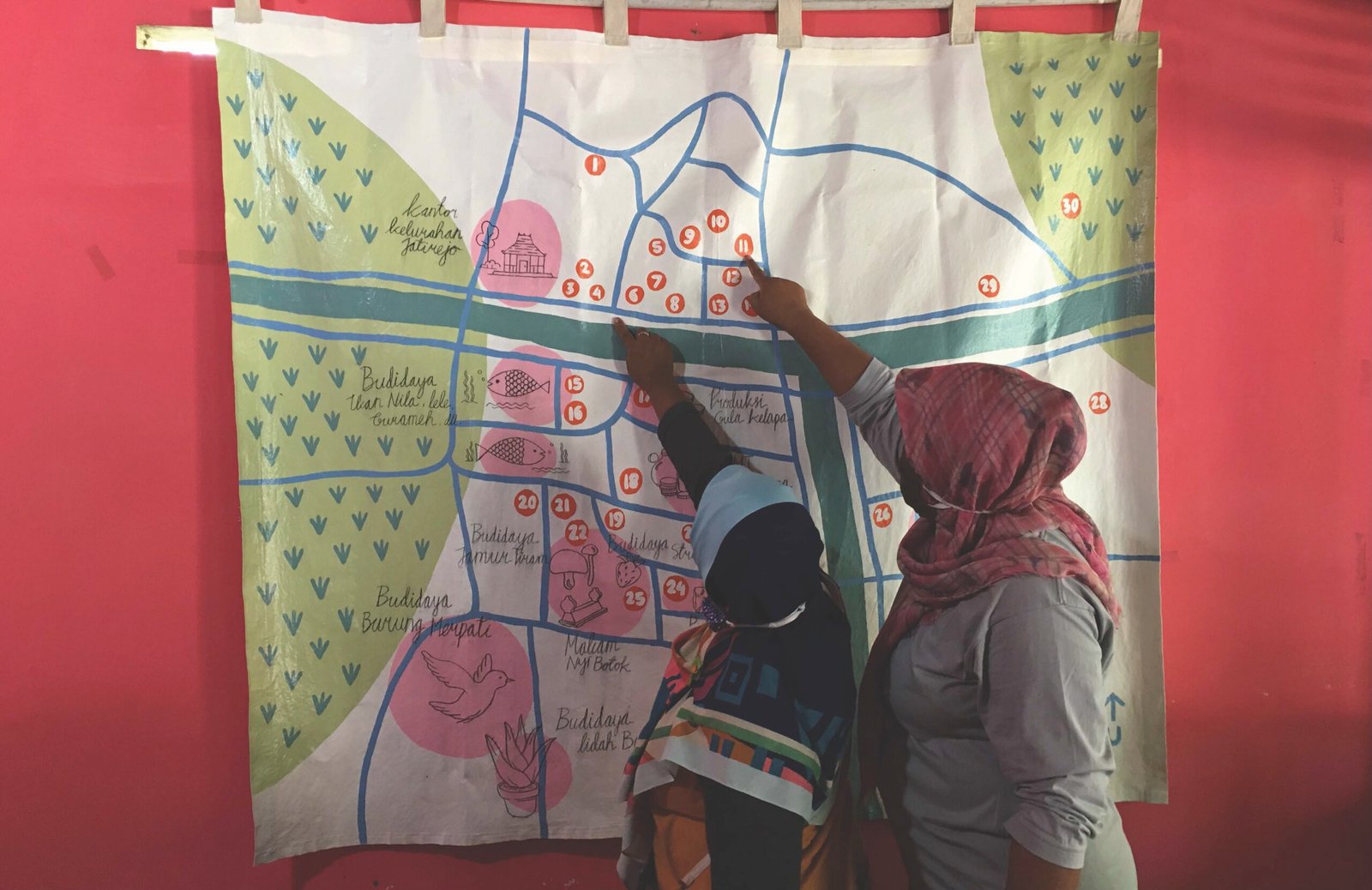
Panen Apa Hari Ini (Pari) has been working with 75 farmer groups in Yogyakarta City from 2020 to the present. Photo: Anang Saptoto
Anang Saptoto
After four years working with women farmer groups, I have one person in Kotagede, Ibu Rismindarsih from Melati Green Community Farm. She is over eighty. She used to run an alternative school for people who dropped out and needed certification. Last year she closed the school because she was tired and older. She told me, “Anang, you can use my house, up to you. You can make activities and think later what kind.”
I worked with her from 2020 until now. I know the village, the community and the local people. Many universities, artists and communities come to experiment with the community, but sometimes the artist comes only as momentum, not sustainability. If they want, they come. If not, they leave. I wanted to make a sustained common ground. So we are launching a space in Kotagede called Ibu Rismindarsih Gallery, named after her. It is not only for artists. It is for any person or community who wants to make a presentation, exhibition or workshop. If they want to make it more artistic, we help with display or decoration. That is one impact. If you continue working together, people begin to believe you. Sometimes surprise comes during the process.
FX Harsono
In Indonesia, artists who work as activists usually have no organisation or government support. They work by themselves. This is natural for artists. Understanding between artists and community is important and organic. During the New Order, when I was an activist against government policies that repressed people, I worked with other activists so people could understand. Until now, I work like that. Now I work with many Chinese communities, historians and people in politics. I am asked to write and speak. Routledge invited me to write about my research on the Chinese massacre of 1948 because there is no information in Indonesian history about it. Gadjah Mada University invited me to give a seminar. Melbourne University also invited me to contribute to a book on politics in Southeast Asia. Artists often work by themselves because there is no support.
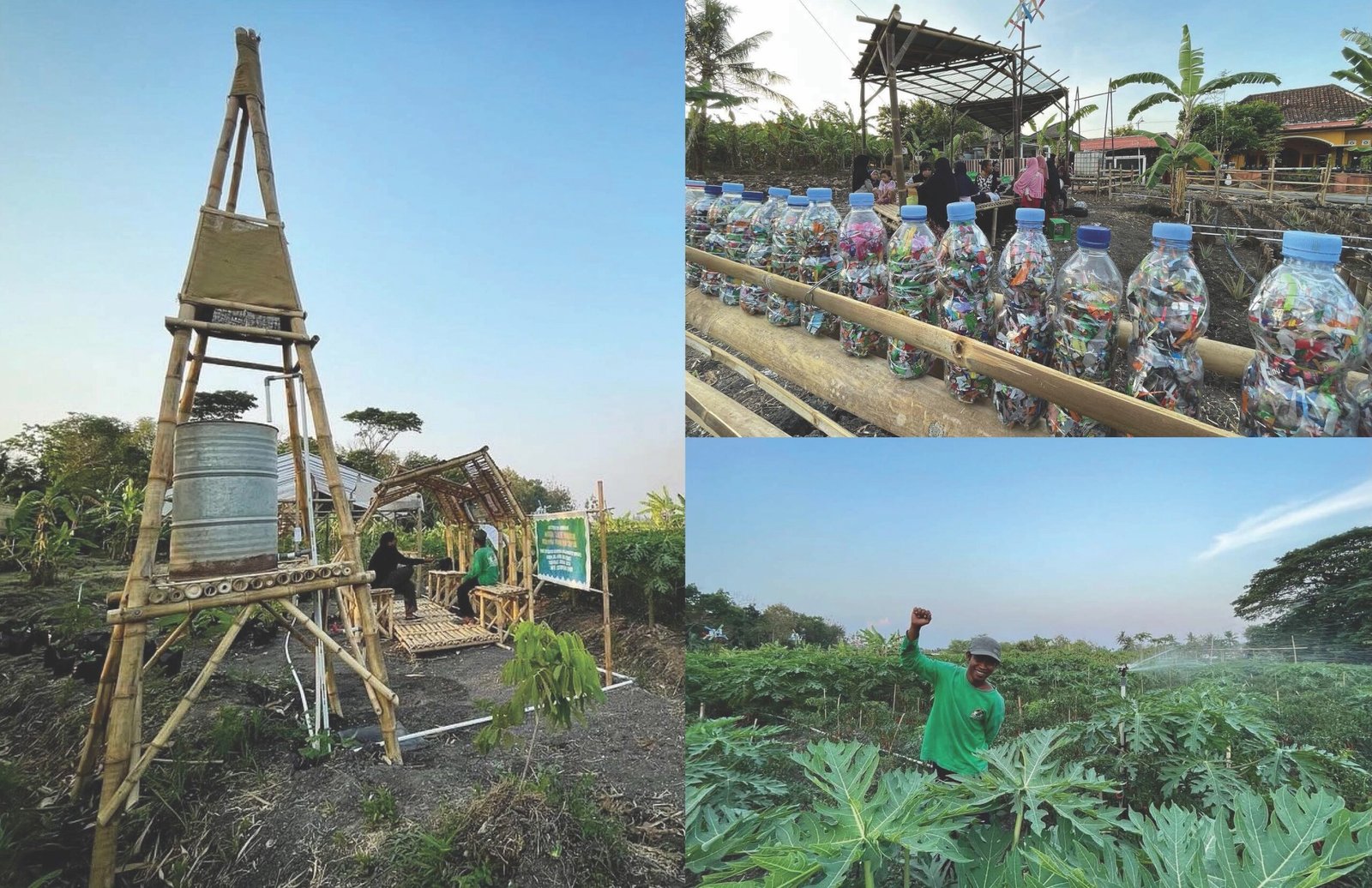
Installation of Panen Apa Hari Ini (Pari) at the Jogja Biennale 2024 exhibition, Bangunjiwo, Yogyakarta, Indonesia. Photo: Anang Saptoto
Arahmaiani
There are challenges, but community-based projects make it easier for people to find solutions because they can support each other. You do not feel desperate and alone. My work started in 2005 in Thailand, with minority Muslims and majority Buddhists during a very problematic time. Some Muslims were killed, and the problem continues today. I tried to bring Buddhist and Muslim groups together, and to connect them through environmental issues, because everyone recognises that the environment is important.
I have also worked with women environmental activists in Israel and Palestine. Before the war, I was invited to Israel and exhibited in Haifa. My role often becomes a bridge between conflicting societies. We focussed on environmental issues because that can bring people together. Unfortunately, when war starts, we cannot do anything. I have worked in Singapore, Malaysia, Thailand, China, Turkey, the Netherlands, Germany, Czech Republic, Australia, Canada and the United States. It is challenging, but it gives me hope.
Power, Mediation and Community
Venka Purushothaman
Following yesterday’s earthquake tremor, we were grounded very significantly. For us coming from Singapore, it is a big deal. For you, perhaps it is a lived reality. We established that Terra is not neutral. It is always negotiated. You enter a space, whether building a forest or working with communities, and negotiation is always present. Space is not free. It is not something you occupy and then move on.
Everything becomes an asset, something codified within a register or system. If it is not codified, who owns it? How do we look honestly at the land we live on, without making it a spectacle or claiming it? History is full of claims: people claim Greenland, claim islands, claim territories. I am interested in power and how artists negotiate power. Your work involves evidence, documentation and archives. What is your take on power when you enter community spaces?
Milenko Prvački
Historically, territory has always changed by power. My country disappeared. On a trip to Turkey, I ended up in Troy, where a hill shows layers of different civilisations. I realised that history is about civilisations and territories changing. Sometimes it takes three thousand years; sometimes two hundred. Now, if you wait for a flight to Yogyakarta, maybe one country will be wrecked.
We thought we had become civil society, but now we are again in a situation where power says, “We have tanks, so shut up.” Stalin used that argument. Today it may not be tanks only; it is other forms of power. But land, identity and culture are always involved. When we lose land, we lose many things.
Arahmaiani
Power is important to be aware of because it is often manipulated. I was born and grew up during the military regime in Indonesia. I learned how power can become scary. I tried to fight it and become critical, but the impact was prison or death threats. I began to think about how to deal with power because we cannot deny that it exists. We can fight it, but the result can be imprisonment or death.
Milenko Prvački
Power is about interest. People want power to realise things that they should not be able to realise in a normal situation. They keep power not because they hate you or me, but because they need to execute what they want: demolish beaches, demolish forests, make property. Again, we have a problem with silent people. You activate groups, but the majority is silent. They are afraid or they are bought with little money, jobs, oil or sugar.
Venka Purushothaman
When you deal with communities, how do you remind them of their own power?
Arahmaiani
The community has to be educated about the present situation and its negative impact on environment and social life. But this is also connected to forgotten cultural heritage. From my work with indigenous groups around the world, I have learned that many ancestral cultures understand how we are connected to nature. We are not owners who can exploit nature. We are part of it. Respect for nature is a basic principle. Another is compassion or love. You can find it in every ancient cultural principle. Modern people need to realise that we have these civilised, human principles. After people become aware, they can work together and make concrete action.
Venka Purushothaman
How does the power structure work in your experience?
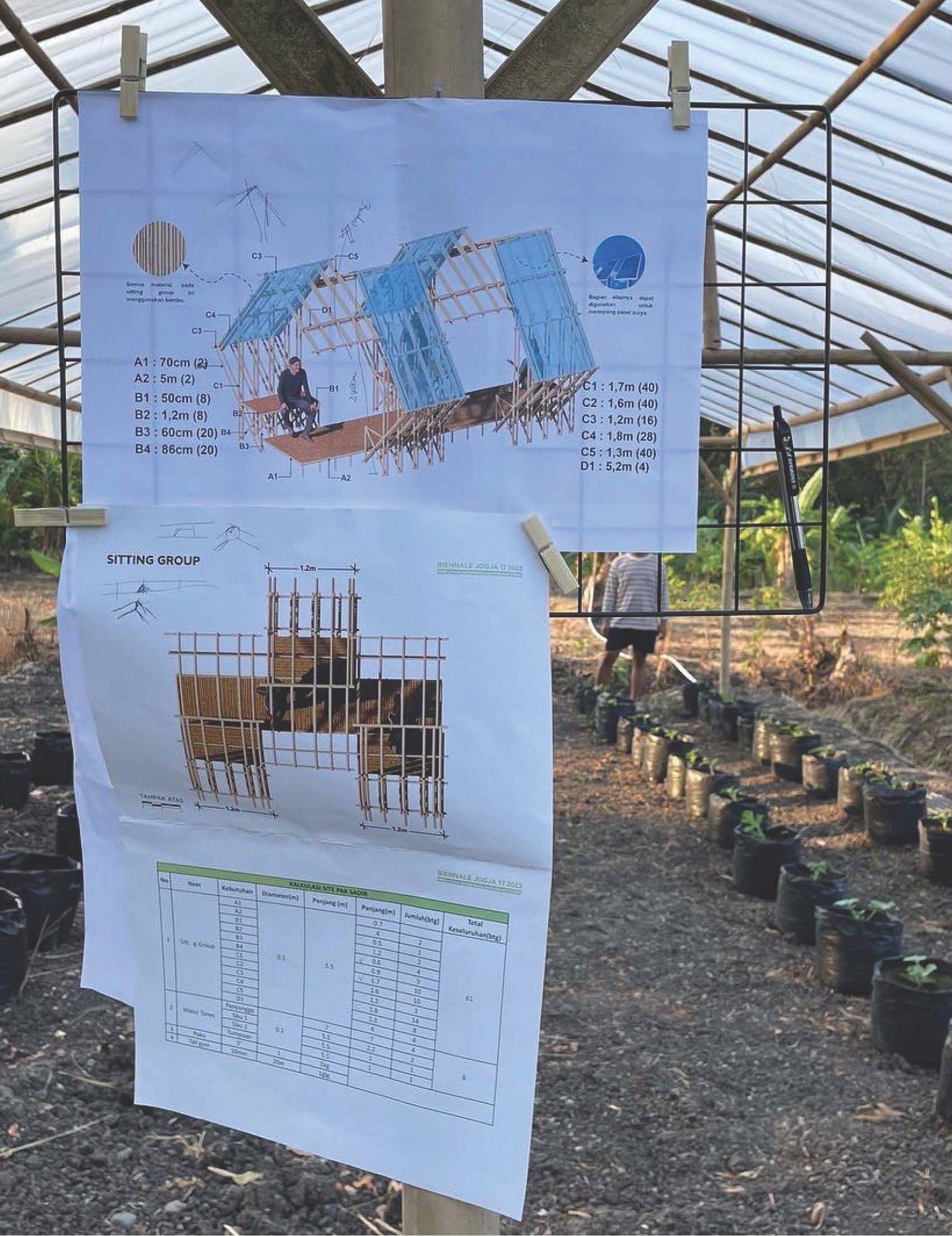
Sketches and designs for agricultural land created by Panen Apa Hari Ini (Pari) and the Collaborative Village Architecture Forum (FAKK) at the Jogja Biennale 2024. Exhibition in Bangunjiwo Village, Yogyakarta. Photo: Anang Saptoto
FX Harsono
Usually power thinks in terms of buying. They say development will make people’s lives better. But they do not think about culture. As I said, in rural traditional land, people do not think land is only a space with economic value. Land is history and ancestor.
Venka Purushothaman
That is a less discussed aspect of Southeast Asia: women form a parallel economy. You see it in Malaysia and Indonesia. They generate an economy through homes and communities. It is not documented in the way capitalist structures document business. It continues to operate at another level. It is organic, fluid, regenerative and sustaining. Even in war or challenge, this economy continues because it does not follow capitalist rules. That is a beautiful allegory to Terra.
Arahmaiani
In the tradition of Nusantara, the position of women is equal to men. The man is not superior. I had a very interesting experience in a monastery in India. They put me in the monks’ monastery. I asked my guru, “Does this mean I was a man in a past life?” He smiled and said the logic is simple. What connects you with the lineage is your spirit, your way of thinking and what you are doing. The form of the body is not so important. It can be male, female or mixed. That is a deep understanding.
Venka Purushothaman
That fluidity exists in South Asian traditions before colonialism categorised it. In parts of South Asia, documentation still allows third gender. Southeast Asia too has these systems. What matters is how we sustain them when the so-called world order changes.
Anang Saptoto
When I first worked with women farmers in 2020, during the pandemic, one mother invited me to her house on a Wednesday. I went there and was surprised because they had their regular monthly meeting. I met thirty women in one room, and I was the only man. I asked if I could visit their homes one by one. Every Wednesday I went to Kulon Progo near the airport area. In one day, I visited three or four houses. I photographed the building, activity, family and portraits.
Venka Purushothaman
Who else do you work with to achieve your engagement?
Anang Saptoto
Only me and the women farmer groups.
Arahmaiani
I work with various groups, including businesspeople, and I do not mind working with government if they support the community. In Tibet, the Chinese government finally supported the project. We preserved water sources, managed trash, recycled, revived organic farming, planted trees and created alternative energy systems. Since 2015, the Chinese government has supported it and the project has expanded. If people in power want to join to empower the community, I do not mind.
Venka Purushothaman
What is the place of museums, curators and art historians in this work? Do they come in at the beginning or only at the end when there is something to show?
FX Harsono
When I need research and will make a work, curators sometimes come with me to the field where people were massacred. Historians also help. Not galleries, but curators who want to write about the work. Now I am trying to make a book about my research.
Arahmaiani
I have been invited by museums in many places. In Singapore, some works are collected by Singapore Art Museum and National Gallery Singapore. Also in Australia, Thailand and Europe. Now younger curators in museums are doing research and following the process. National Gallery curators have worked with me for years. They are coming to Jogja to interview and film a documentary about my activities with communities and in my studio.
There is also an exhibition at Tate Modern in London. They showed my work related to 1998, when the military regime fell. I recreated the artwork because they are collecting it. It was exhibited for one year and they wanted to continue showing it because the work relates to what is happening today, with the military returning to power in my country. I appreciate that the museum is not only collecting for its own benefit but relating to the situation.
Sometimes we need a kind of privilege to get a way into museums. If there is no privilege, people may not see it as good artwork. But if you receive a grant from Prince Claus, British Council or UN-Habitat, people say, “This is a good project.” That was not my target, but it happens.
[...] In Indonesia, accusing someone of communism remains a strategy used by elites. When I work with community, another powerful position that needs to be negotiated is the priest: Muslim, Christian, Hindu, Buddhist. When we can work with priests and communicate openly, they support the community. This is important because people in Indonesia still have strong religious belief. If we want to empower people, we also have to negotiate with religious authority.
Venka Purushothaman
The intermediary becomes important because the priest can take away the sting of being framed as socialist or communist. The intermediary mediates the challenge.
FX Harsono
When I did research in Jepara, where the government planned a nuclear power plant, outsiders were not allowed into the area. Someone introduced me to a Christian priest with social authority. I went with him, and because I was with the priest, I could enter. So, yes, I have some trauma about government.
Learning Outside the Institution
Venka Purushothaman
In Indonesia, educational institutions, universities and art colleges have often been centres for community-based engagement. How are they now?
FX Harsono
In the art school in Jogja, there are lecturers connected to a banned Muslim organisation. In some universities, the government has removed people connected to such groups. But in the art school, they remain. One teaches painting and says students cannot paint people or animals. Then the university moved him to teach theory, aesthetics. Aesthetics is a strategic place to talk about ideology.
Arahmaiani
It depends on who holds power in the institution. I have also been invited as guest lecturer by progressive lecturers who want students to learn about community practice, critical ideas and working against domination. Some lecturers are open-minded.
FX Harsono
They are a minority and do not have power. People with different ideas rarely get positions to change decisions.
Arahmaiani
But as lecturers, they still have power with students. They can teach them to be aware of the situation.
FX Harsono
Jakarta collectives are different from Jogja collectives. Jakarta is geographically big, so a collective in South Jakarta does not easily work with one in North Jakarta. They become more exclusive. In Jogja, collectives are open to exchange, work together and collaborate.
Venka Purushothaman
That is one richness of Indonesia. Collectives become new economies of education, engagement, collaboration and space. They do not need to enter another space to function.
[...] When Ruangrupa8 curated Documenta, it elevated collective artistic practice globally. Leaving aside the politics, did that change the landscape in Indonesia?
FX Harsono
No. Before Ruangrupa used lumbung9 as a concept for Documenta, we in Jogja were already doing that.
Venka Purushothaman
I agree. The practice was already here, but the world began to see it.
Milenko Prvački
The lack of good art education is one reason collectives work. They offer what official curricula do not. Art develops, but schools often continue to teach outdated things. Young people are smart. They are not satisfied.
Arahmaiani
In Bandung, there were fewer collectives, but now there are changes. Younger lecturers at ITB have invited me as guest lecturer, even though I was once kicked out. They want to change the system of education. Communities outside ITB, in places like Cicalengka and Majalengka, are also creating activities with local people, activists and academics. I am invited to share experience on how to develop community-based systems.
FX Harsono
Bandung’s education comes from Western modernist tradition, so artists work in studios. To change that mentality is not easy. In Jogja, since the 1960s, artists have worked based on community. Bandung artists often have strong concepts behind artwork. Jogja artists have another kind of community relation. Near Bandung, Jatiwangi Art Factory is a strong collective in a village. It is very interesting.
Venka Purushothaman
Anang, what is your experience of education?
[...] What is the artist doing right that the university is not doing?
Anang Saptoto
The idea becomes creative. I believe it. All proposals I helped were approved.
FX Harsono
I taught for 23 years: fifteen years at Jakarta Institute of Arts and eight years at Universitas Pelita Harapan. That is why I do not want to teach in a formal school now. I know the curriculum and how the formal school works.
Anang Saptoto
Now if I have a project and need architecture practice, I call a friend who lectures in architecture. He gives me twenty students to collaborate. It is easy.
Forests, Archives and Future Terra
Venka Purushothaman
Coming back to land, what is one urgent thing that is not being addressed today by governments, people or systems? What are we missing in the twenty-first century in dealing with Terra?
Arahmaiani
The modern capitalist system pushes people toward mining, palm oil and plantations because owners of companies make big profits. But the environment and land are destroyed. Many young people no longer want to become farmers. Land is abandoned and later becomes villas for tourism, resorts or other projects. This is happening in Indonesia and elsewhere.
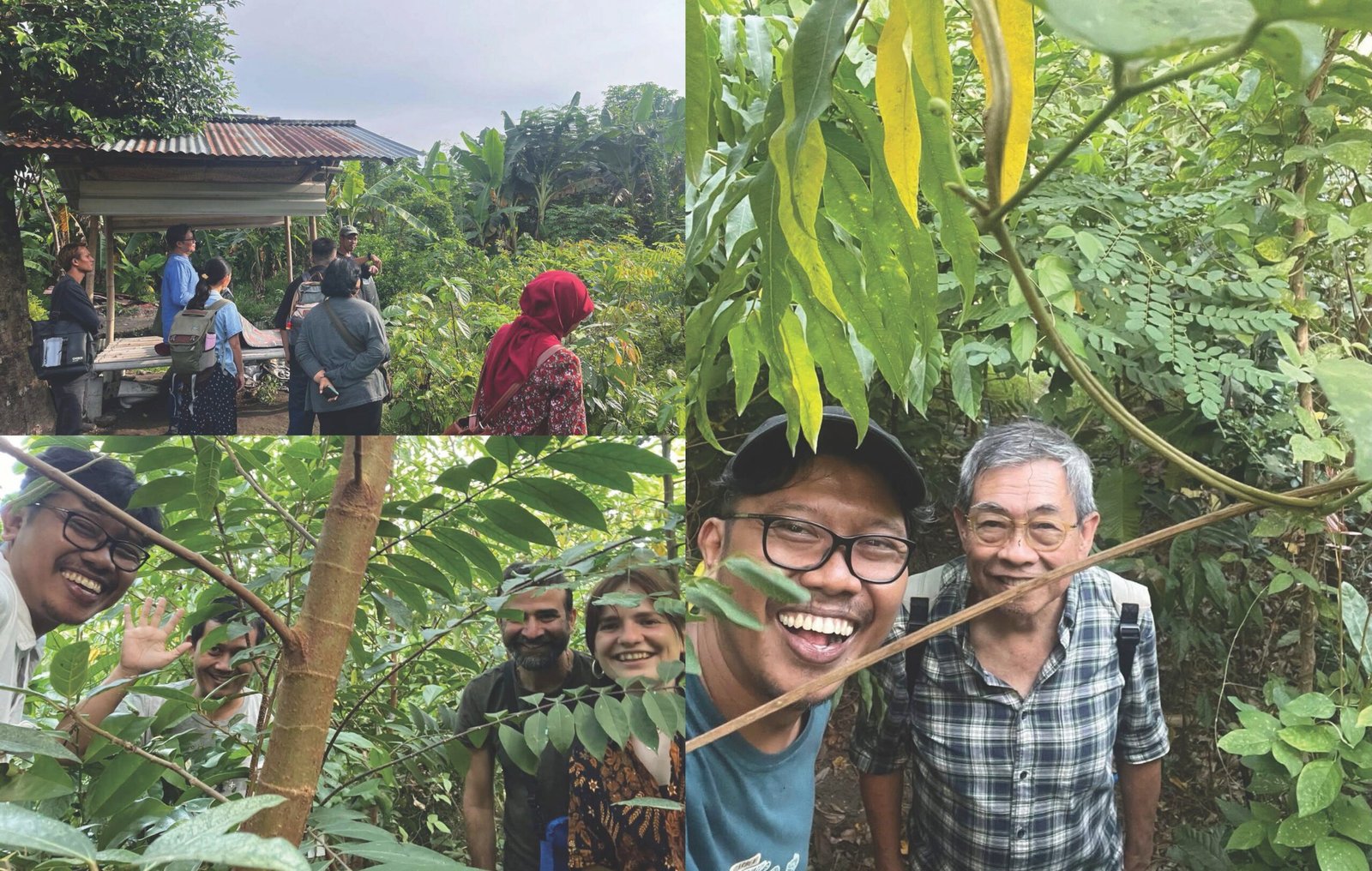
Wana Nagara utilising the forest as a studio and source of knowledge. Photo: Anang Saptoto
Milenko Prvački
In Europe agriculture is also dying because it is not supported. Governments think building on land brings more profit. Food can be imported from countries that have no choice but agriculture, oil or other extraction.
Arahmaiani
One example I have been doing with artists and activists is Komunitas Wayang Merdeka. It focusses on wayang, puppets, related to traditional culture and philosophy but is also connected to environmental problems today. It educates young people and children. We have done this for three years. Children become happy and enthusiastic, but they also learn serious things about the environment and social situation. We are coming to Singapore, invited by NUS, to do workshops with young people and perhaps children.
For me, the missing issue is how to think not only human for human. In Indonesia, many problems happen because we think only about humans. We do not think about human and animal, human and nature. We cut trees easily because we do not have knowledge about those trees. Government builds highways and cuts trees without thinking that a tree may have grown for one hundred years.
That is why my friend Kurniawan Adi Saputro, or Inong, and I made a little forest and shared knowledge about trees. In the beginning people did not believe it. Even the person selling tree seeds asked, “Why do you buy this tree? It is rare; nobody buys it.” We bought rare historical trees from Java because we wanted to show them to the public again. After five or six months, and then one year, village leaders near my studio saw the forest and began to understand. They said, “I know this tree. My grandmother had this tree.” Now the district leader is appreciative and tells government meetings that we have a forest.
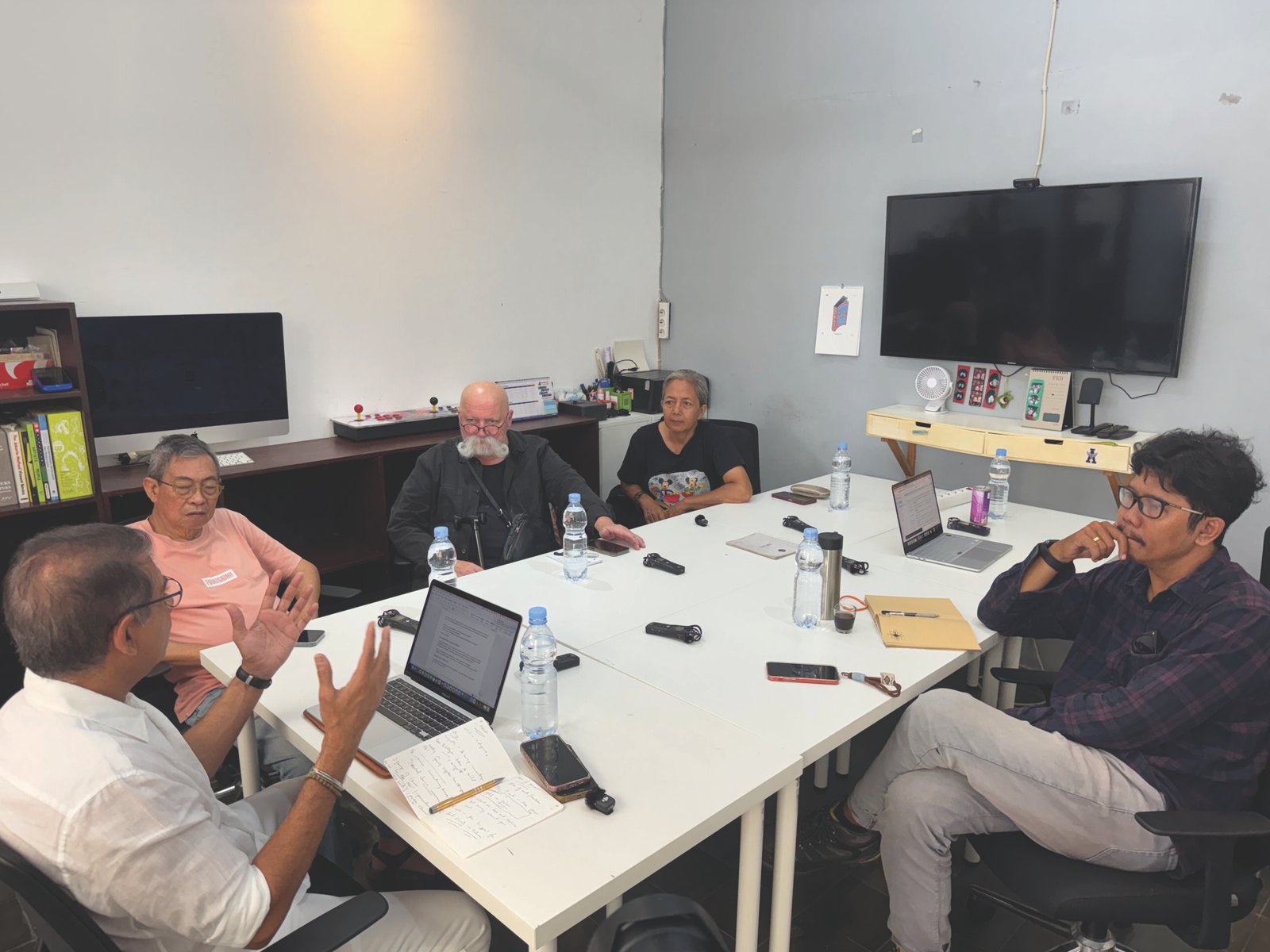
(clockwise) Professor Venka Purushothaman, FX Harsono, Professor Milenko Prvački, Arahmaiani, Anang Saptoto
Photo: Leonardo Cinieri Lombroso
Venka Purushothaman
Singapore’s greening began partly as beautification, but there has been a shift toward nature. There are nature corridors so monkeys and birds can cross safely when highways are built. Singapore has a mission to plant a million trees. It is not only green for tourists; it is about liveability. Density is not determined only by economics but by whether people can live there.
Milenko Prvački
Visitors in Singapore stay downtown, but there are reservoirs and jungle areas. The zoo, bird park and night safari are moving into a more natural environment. It is not only decoration.
FX Harsono
Between Singapore and Indonesia, it is interesting to note that Singapore has a botanical garden built by Raffles, and Indonesia also has a botanical garden built by Raffles.
Venka Purushothaman
Raffles is remembered as the founder of Singapore, but his major contribution was also The History of Java.10 He understood flora and fauna and wrote about Java. Singapore was almost an accident for him.
Artists as Writers
Venka Purushothaman
As artists, you have been written about. Governments, curators and museums write about what you do. What is one thing art historians or curators misunderstand about your work?
FX Harsono
In Indonesia there are not many curators or art historians. Many curators work only for galleries. They write what the gallery orders. Only a few curators or art historians try to follow, understand and read what the artist is thinking. So for me, writing by myself about the concept and ideas behind my work is very important. I always tell young artists: you must write what you are thinking because not many people understand you. To make people understand what you are doing, you must write.
Anang Saptoto
Similar to Harsono, I started writing my practice because I did not have invitations to exhibitions and did not have a gallery contract. So I did not have catalogues, books or curators writing about me. I made a blog, not a dot-com website, but Wordpress. I wrote everything there. When I collaborated with journalist associations or other communities, they read about me there. Texts about me often came not from curators but from other communities. I studied graffiti, so I know how to promote myself.
Venka Purushothaman
That is fascinating because you have the opportunity to write yourself the way you want to be read. You become the author of your journey. I am interested in artists as writers. For a period, artists were not expected to write because their language was their art. Now artists use writing, technology and other media to be more effective communicators, not necessarily to explain the art, but to create the context in which the art is produced.
This conversation has brought forward care, bridge-building and common ground. Artists work with communities not simply because there is a historical document to preserve or a social issue to address, but because there is care: care that lost histories must be told, care that heritage must be talked about and engaged, care that people can have agency in shaping their own agendas. Your practices build bridges between communities and power structures so that people are not made helpless by power. Through art, communities can speak about lost history, ancestral memory, collective identity and the future.
What is powerful is that Terra becomes common ground. Not a policy ground, not a financial ground, not a framework, but the ground where people occupy particular moments in history and ask what can be done. Common ground is not always discussed in art history, which often focusses on the object or the practice. Here, common ground has texture. It differs across each of your experiences, but it is where you land. It is where art becomes care, collaboration, activation and responsibility.
Thank you for sharing so much. This is not the end of the conversation. It is the beginning, and like all good things, it should continue.
Anang Saptoto
Arahmaiani
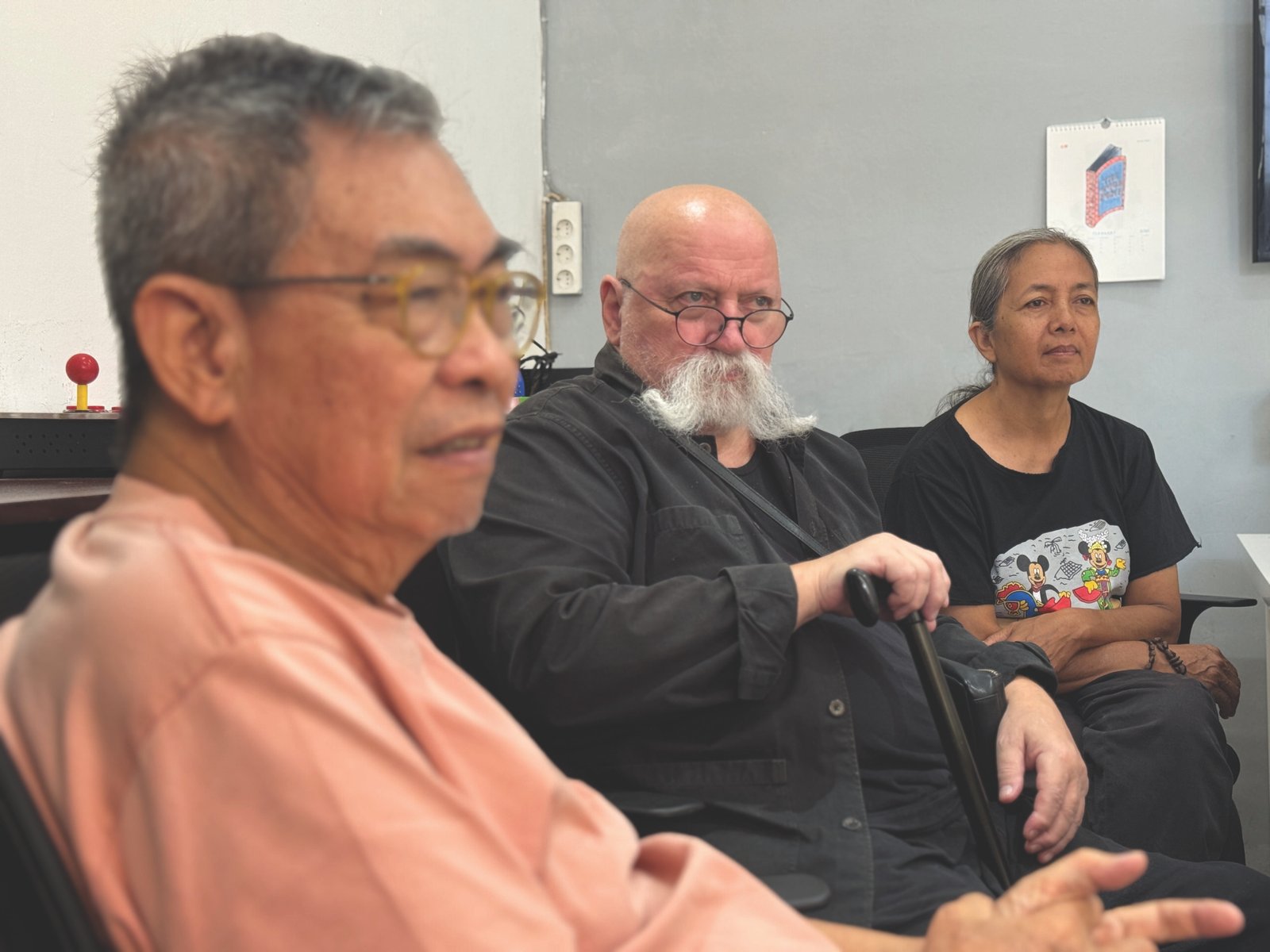
FX Harsono, Professor Milenko Prvački, Arahmaiani
This conversation was video recorded by filmmaker, Leonardo Cinieri Lombroso. He has kindly provided the photo stills.
Photos: Leonardo Cinieri Lombroso
Footnotes
1 interchangeably Jogjakarta or Jogja.
2 Indonesian terms for land, earth, property rights related to communal or indigenous, space respectively.
3 The Green Revolution was introduced in the 1960s by Suharto’s New Order Regime in Indonesia with the aim of achieving rice self-sufficiency.
4 The Monsanto Company was an American agrochemical and agricultural biotechnology corporation founded in 1901 and headquartered in Creve Coeur, Missouri. In 2018 it was acquired by Bayer AG.
5 The New Order is the regime in Indonesia under President Suharto from 1966-1998. It was characterised by strict political control, military dominance in governance, and rapid economic development driven by foreign investment. (Wikipedia)
6 Reformasi succeeded The New Order regime after the resignation of President Suharto in 1998, and “transitioned the country into a vibrant, decentralised democracy.” (Wikipedia).
7 Rirkrit Tiravanija, a Thai contemporary artist residing in New York, Berlin and Chiangmai (Thailand).
8 ruangrupa is a prominent contemporary art collective and non-profit organisation based in Jakarta, Indonesia. They served as artistic director of documenta fifteen which took place in Kassels, Germany, in 2022.
9 A rice barn.
10 Published in 1817 in two volumes.
Contributors’ Bios
Contributors’ Bios
Arahmaiani (Indonesia) is an artist, activist (social-political, cultural & environmental) and writer. She has long been internationally recognised for her provocative commentaries on social, political, and cultural issues. She established herself in the 1980s as a pioneer of performance art in Southeast Asia. As a Javanese Muslim, her work has sought to do justice to the diversity of Islamic cultures, taking aim at the world’s stereotypes of Islam. In 2006 she developed a “community-based” interdisciplinary approach on performance and art projects with a focus on environmental issues. She started working with Islamic boarding school community in Yogyakarta in 2006. Since 2010, she has been working in the Tibet Plateau dealing with environmental issues. She used to teach in the Art Academy in Guangzhou, China (2006-2008). From 2012 till 2023 she was teaching in the Department of Southeast Asia, Faculty of Arts & Humanities, Passau University, Germany.
Mira Asriningtyas (b.1986, Indonesia) is a curator, writer, co-founder of LIR and co-director of Cemeti Institute for Art and Society together with Dito Yuwono. Her practice focuses on site-specific and socially engaged projects that explore histories, ecology, and socio-political contexts. She has curated exhibitions and public programs internationally, and her writing appears in artist monographs, exhibition essays, and journals such as PARSE Journal and Stedelijk Studies. In 2017, she initiated 900mdpl, a biennial site-specific project in Kaliurang, which also informs her first book, Institution Making on Moving Ground (2025).
Rhett D’Costa (India/Australia) was born in India and immigrated to Australia as a child with his family. While his experiences as an Asian Australian inform his pan-disciplinary art practice and research, from the formal and expressive use of colour to complex expressions of identity and belonging, it is his ongoing commitment to painting which underpins and informs the other forms of his artistic practice, including the fluid nexus between art, food and the garden. His collaborative work has extended to engaging experientially and experimentally with the environment he currently lives and works in, the Dja Dja Wurrung lands. In a career spanning thirty years in art practice and tertiary art education, his particular focus has centred around the Asia-Pacific region. He has exhibited in numerous solo and group exhibitions nationally and internationally and his work is held in institutional, corporate and private collections. He is an Honorary University Fellow of RMIT University.
Tony Godfrey (Professor) (b. 1951, England, UK) began writing about art in 1978. His many books include Conceptual Art (Phaidon Press 1998), the first attempt to see conceptual art as a global phenomenon, Painting Today (Phaidon Press 2009) and The Story of Contemporary Art (Thames and Hudson 2020 & 2024 in paperback with updated final chapter), in which he attempted to re-envisage recent art as both challenging dominant ideologies and issuing from many parts of the world. He moved to Singapore in 2009 and the Philippines in 2016. In 2022 he started a website, Art Talk South East Asia (arttalksea.com) for interviews with artists of Southeast Asia. He also distributes a monthly circular Tuesday in the Tropics by email.
FX Harsono (b. 1948, Indonesia) is a seminal figure in the Indonesian contemporary art scene. He is always updating his artistic language to the current new social and cultural contexts. Harsono ́s artworks point at the disconcerting situation of minorities, the socially underprivileged, against the backdrop of Indonesia’s own history and political development. FX Harsono studied painting at STSRI “ASRI”, Yogyakarta (Indonesia) from 1969-74 and at IKJ (Jakarta Art Institute) from 1987-91. Since 2005 he is a lecturer at the Faculty of Art and Design, Pelita Harapan University, Tangerang (West Java). Harsono is also an active art critic, regularly writing about social questions and the development of contemporary art. He was awarded the 2014 Prince Claus Award, from the Prince Claus Fund, Netherlands; the Anugerah Adhikarya Rupa 2014 Award, from the Ministry of Tourism and Creative Economy, Indonesia and the 2015 Joseph Balestier Award for the Freedom of Art, from the Embassy of the United States of America and Art Stage Singapore.
Agni Malagina (b. 1979, Indonesia) is a researcher specialising in acculturation, Chinese-Indonesian identity, and historical traces linked to China, as well as a journalist for National Geographic Indonesia. She graduated with a degree in Chinese Studies from the Faculty of Humanities, University of Indonesia. She has worked for the Lasem Heritage Foundation since 2018 and became a fellow of the Samdhana Institute in 2025. Her works include an entry on Tjan Tjoe Siem in Southeast Asian Personalities of Chinese Descent: A Biographical Dictionary (2012, Institute of Southeast Asian Studies) and “From Sinology to social critiques: Intellectual biography of Romo Ignatius Wibowo, SJ” in Researching China in Southeast Asia (2019, Taylor and Francis, Routledge). Her research interests include the theme of Chinese culture in Indonesia, particularly in the context of philosophy, traditions, acculturation, and the study of manuscripts, Bongpay texts, and other texts written in Chinese characters. She has conducted research in several cities across Sumatra, Java, Kalimantan, Bali, West Nusa Tenggara, and East Nusa Tenggara on Indonesian Chinese culture between 2004 and 2026.
Charmaine Poh. See under Exhibition: Portals for Dreaming, Artists’ Bios, page 88.
Anang Saptoto (b.1982, Indonesia) is a multidisciplinary artist, designer, and activist based in Yogyakarta, Indonesia. He studied Visual Communication Design (Yogyakarta Vision Design Academy, 2000–2005) and Television (Indonesian Institute of Arts, Yogyakarta, 2002–2009), and is currently completing a Masters in Video Art (Postgraduate Program of Indonesian Institute of Arts, Yogyakarta, 2023–2025). Working across design, painting, photography, video, music, and interdisciplinary art, Anang explores issues of ecology, human rights, disability, children’s education, and social change. For him, art is a catalyst for dialogue and solidarity, amplifying marginalised voices through collaboration. Since 2003, he has been part of the art collective MES 56 and one of its Co-Directors through Agensi 56 since 2020. He founded Panen Apa Hari Ini (PARI), an agriculture-based art initiative, and helped establish the Collaborative Village Architecture Forum and Wana Nagara Pugeran Urban Forest Studio. Anang has received recognition such as the REDBase Foundation Young Artist Award (2016), UCLG ASPAC, UN-HABITAT (2020), the Prince Claus Fund SEED Award (2021), and the British Council Unlimited x Micro Award (2022) for his collaborative project, Sari-Sari Series, with Rhine Bernardino (Philippines).
Milenko Prvački (Professor) (former Yugoslavia/Singapore) graduated with a Master of Fine Arts (Painting) from the Institutul de Arte Plastice “Nicolae Grigorescu” in Bucharest, Romania. He is one of Singapore’s foremost artists and art educators, having taught at LASALLE College of the Arts, Singapore since 1994. He was Dean of the Faculty of Fine Arts for ten years and is currently Senior Fellow, Office of the President at the College. He also founded Tropical Lab, an annual international art camp for graduate students. He has exhibited extensively in Europe and USA since 1971 and in Singapore and regionally since 1993, most notably at the Biennale of Sydney in 2006. He has participated in numerous symposiums and art workshops worldwide, and acted as visiting professor at Musashino Art University in Japan, Sabanci University in Turkey and University of Washington School of Art + Art History + Design, USA. He is an Adjunct Professor at RMIT University, Melbourne, Australia. He was awarded the Chevalier de l’Ordre des Arts et des Lettres from France in 2011, and Singapore’s Cultural Medallion for Visual Arts in 2012. In 2020, he was awarded the National Art Award, Serbia.
Venka Purushothaman (Professor), PhD, (Singapore) is President of LASALLE University of the Arts, Singapore. He is an award-winning art writer with a distinguished career in the arts and creative industries in Singapore. He speaks internationally on transformative art and design education and works to enable the development of cultural leaders in Southeast Asia. Venka holds a PhD in Cultural Policy and Asian Cultural Studies from the University of Melbourne. He is a member of the Association Internationale des Critiques d’Art (France/Singapore), Fellow of the Royal Society of the Arts (UK), University Fellow of Musashino Art University (Japan) and member of the International Cultural Relations Research Alliance of the Institut für Auslandsbeziehungen (Germany)./span>
Susie Wong (Singapore) is an art writer, curator and artist. As a writer, she has contributed to several publications, artist monographs and reviews in Singapore. She was a regular art reviewer in the 1990s for The Straits Times; a regular art feature writer for magazines such as The Arts Magazine (Esplanade); ID (Metropolitan), and d+a (Key Editions) on architecture and design, among many others. She has written for publications such as Southeast Asia Today (Roeder 1995); Liu Kang: Colourful Modernist (The National Art Gallery Singapore 2011) and Histories, Practices, Interventions (Institute of Contemporary Arts Singapore 2016).