
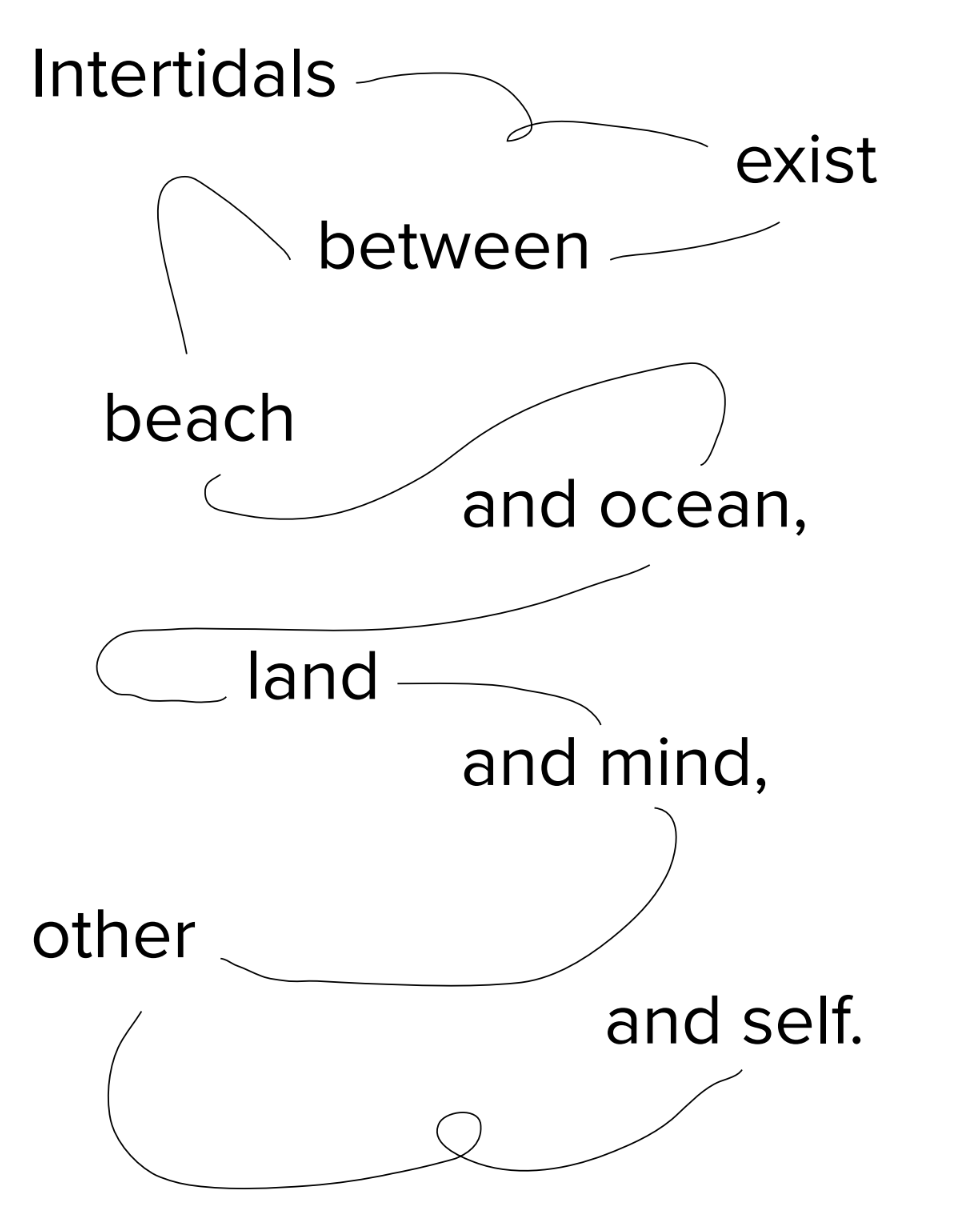
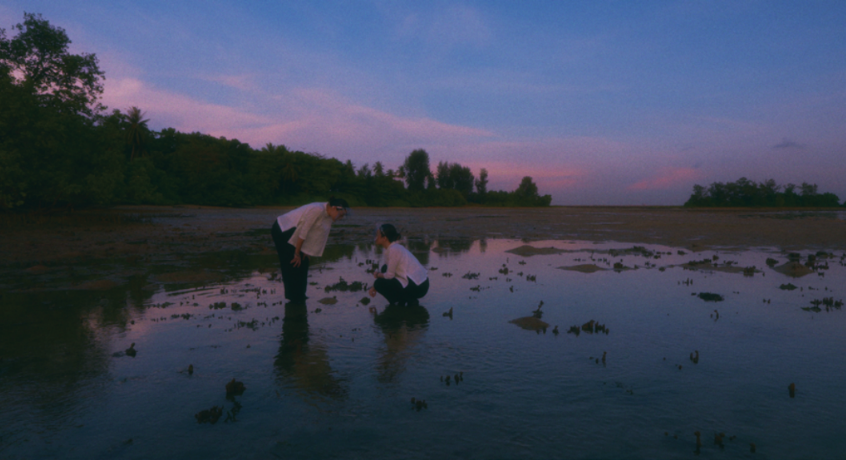
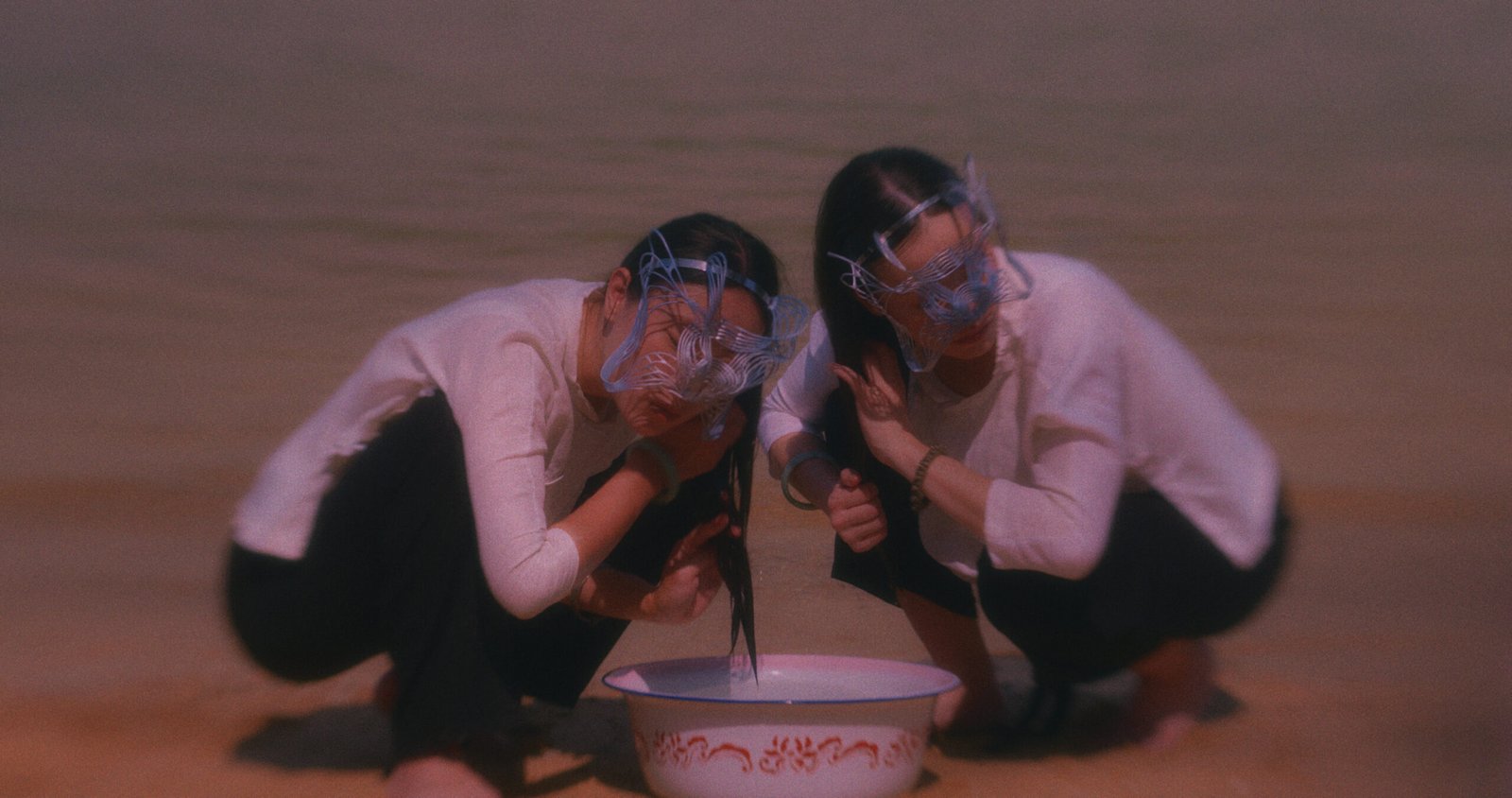
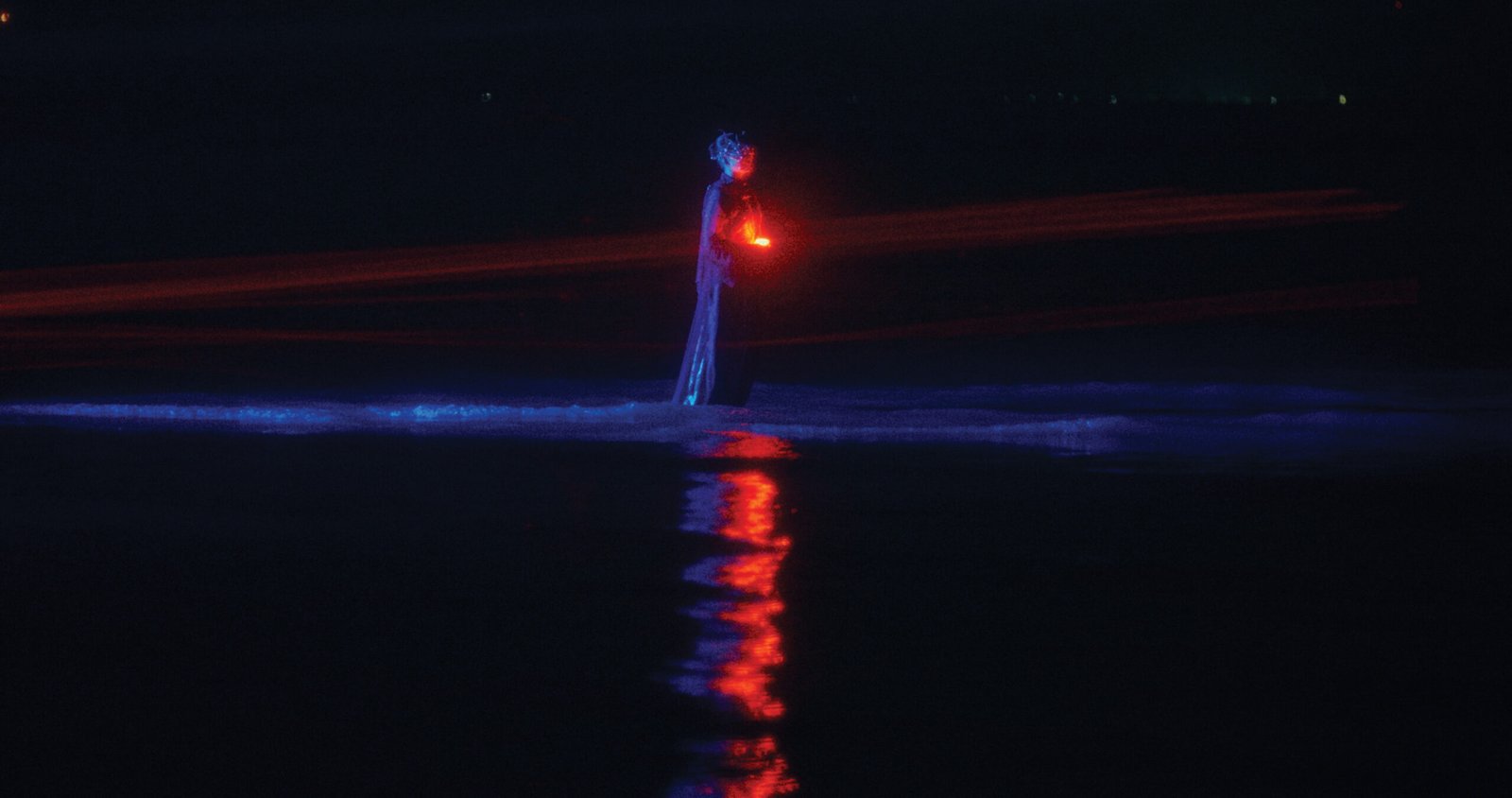
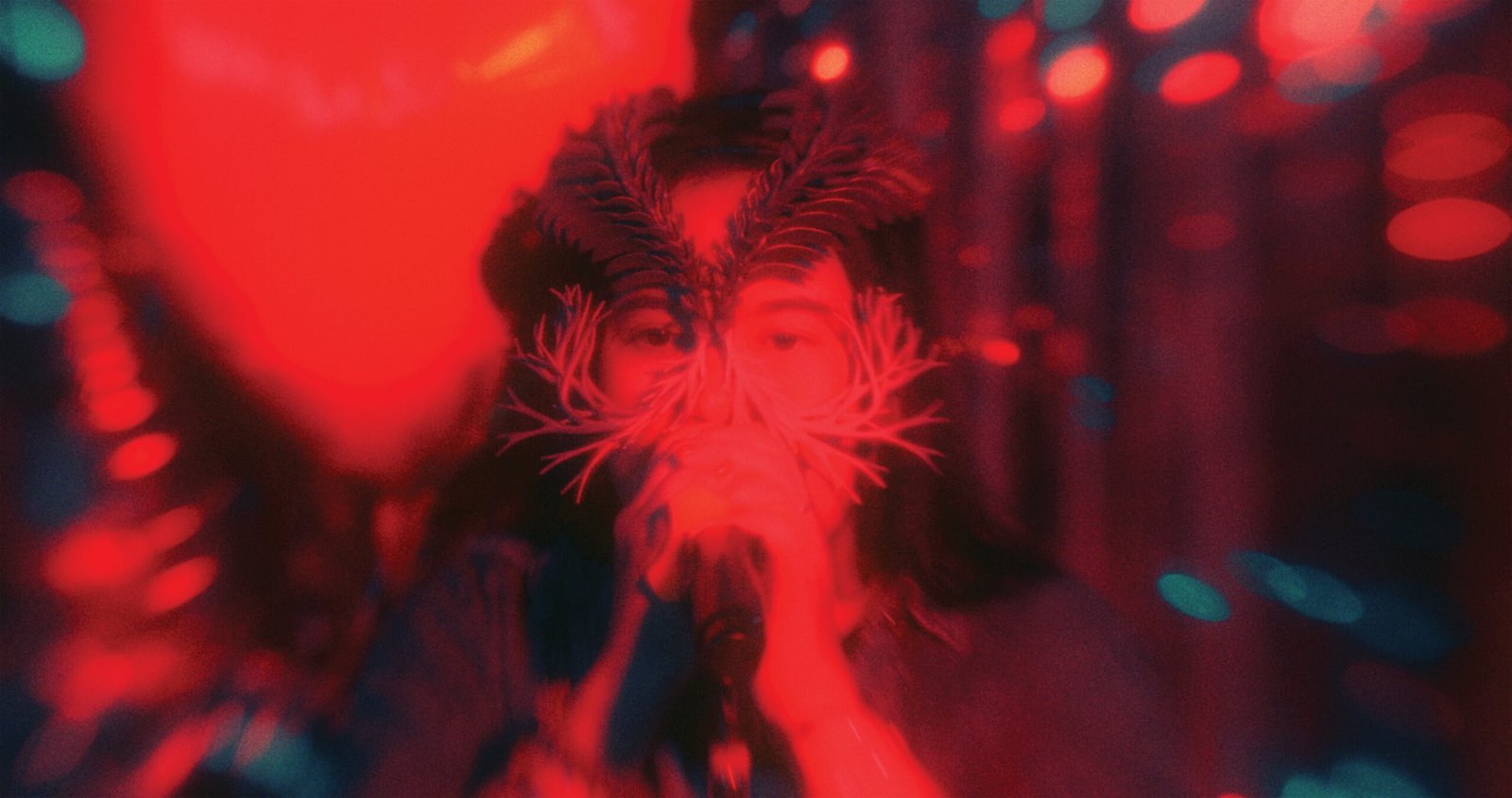
My recent three-channel video installation The Moon is Wet (2025) takes place at the intertidal zone in Singapore. A place beyond the binaries of land and sea, artifice and reality, dusk and dawn, it is also a fragile ecosystem with non-human lives that are the first to be destroyed when faced with change. Singapore’s geographical location makes it a safe harbour from many natural disasters, but its ceaseless reclamation of land forces ecosystems to adapt again and again.
There are parallels to the city-state’s history as a porous place, where stories flow in and out through the sojourners and migrants who find themselves there. These are the sorts of characters who appear in The Moon is Wet: the Fujianese sea goddess Mazu, the Cantonese Majie,1 and an Indonesian migrant domestic worker, who live in parallel across timelines. If there was any place in Singapore that could be a portal for stories to be retold through a different lens, it would be in this delicate, beautiful zone. Against the backdrop of Singapore’s relentless chase for technological and economic progress, the work foregrounds the cosmologies that have been relegated to the sidelines.
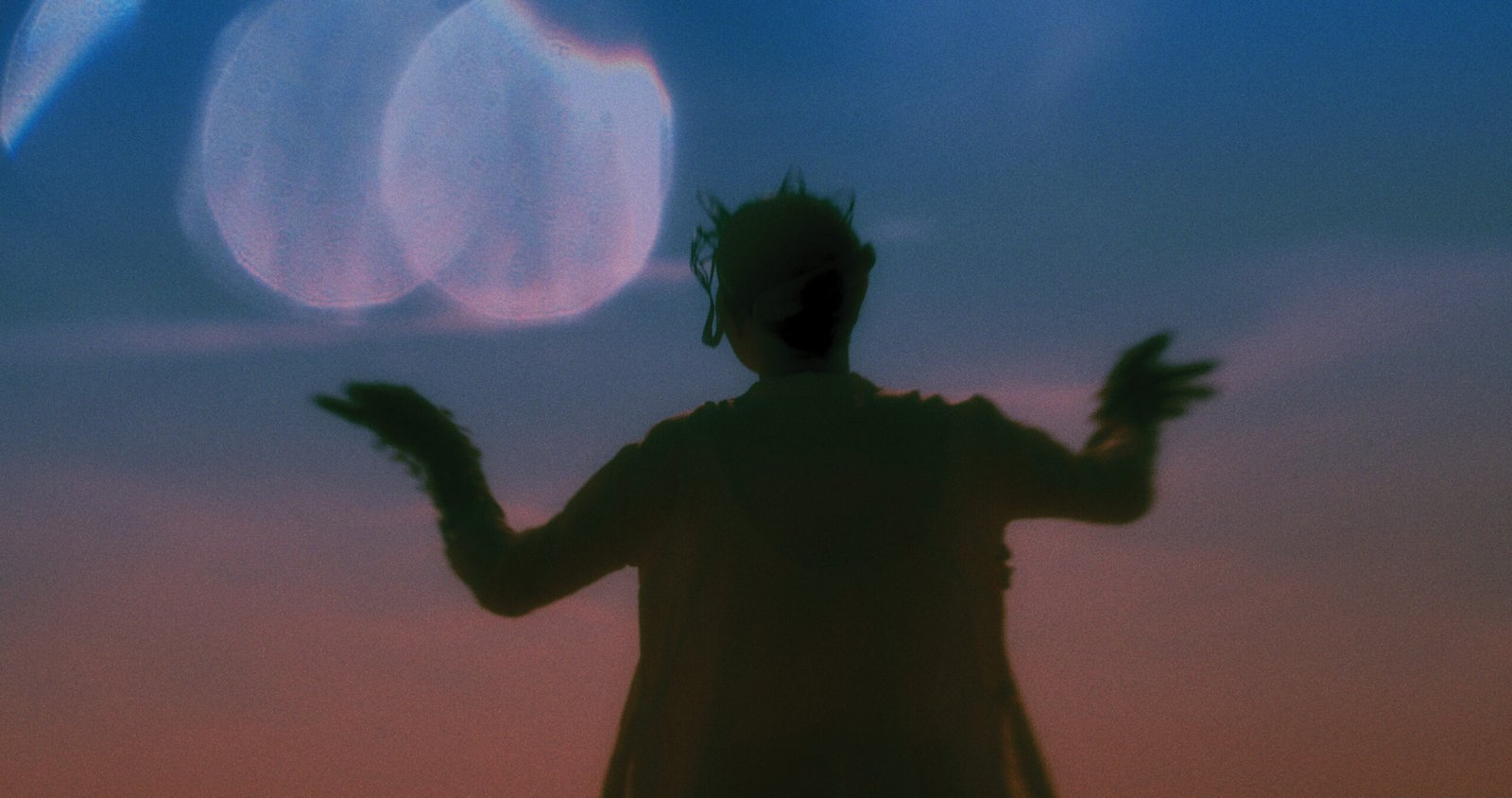
Portals for Dreaming is conceived as a moving-image programme in an editorial spread, with five films to be viewed in sequential order. Bringing together multiple modes of circulation, from the exhibition space to the film festival, the programme emphasises the way cinematic knowledge can be translated through the form of the publication. The selected works challenge historical and spatial categories, considering terra as a locus of the imagination, resisting any fixity of power.
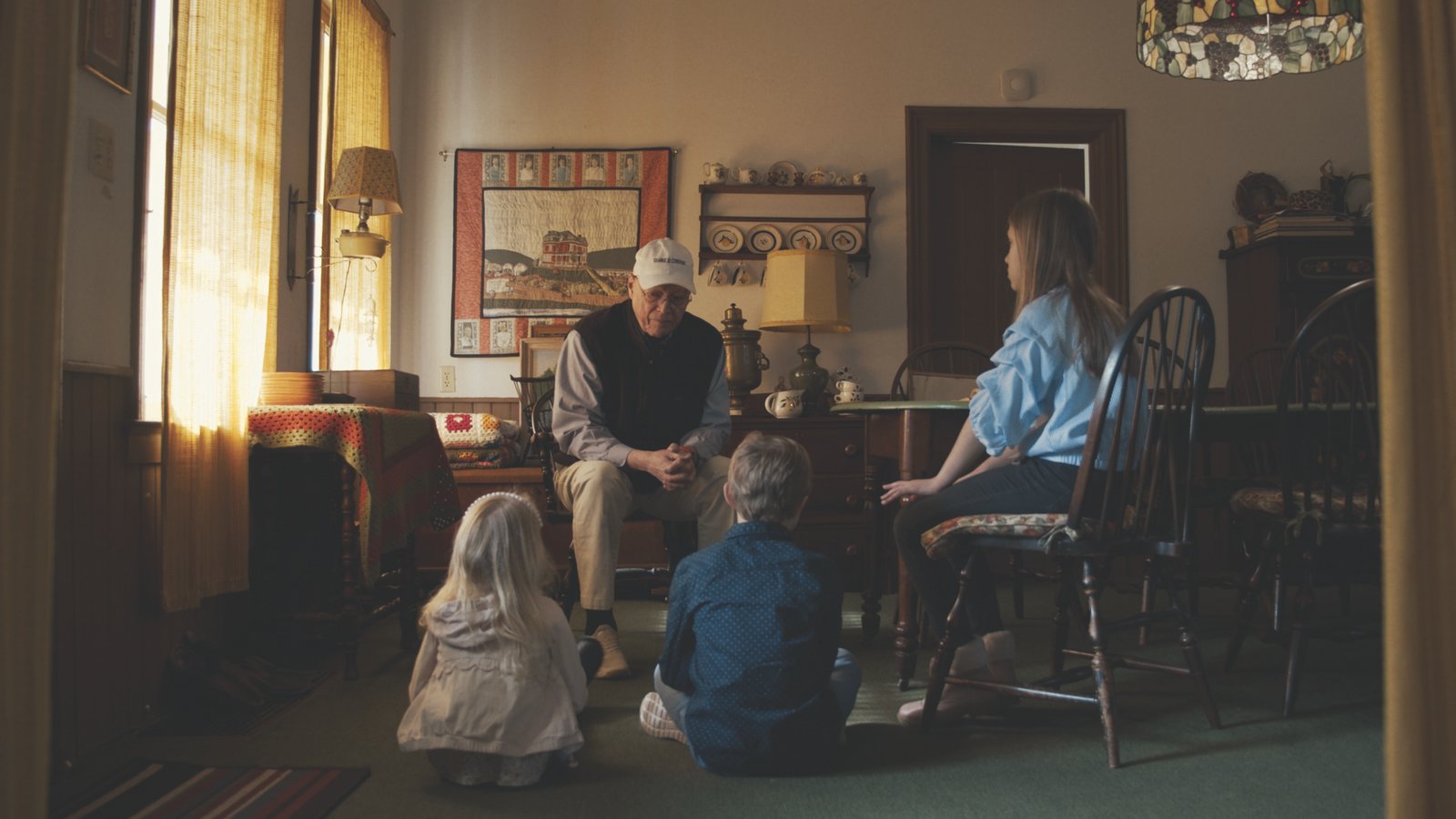
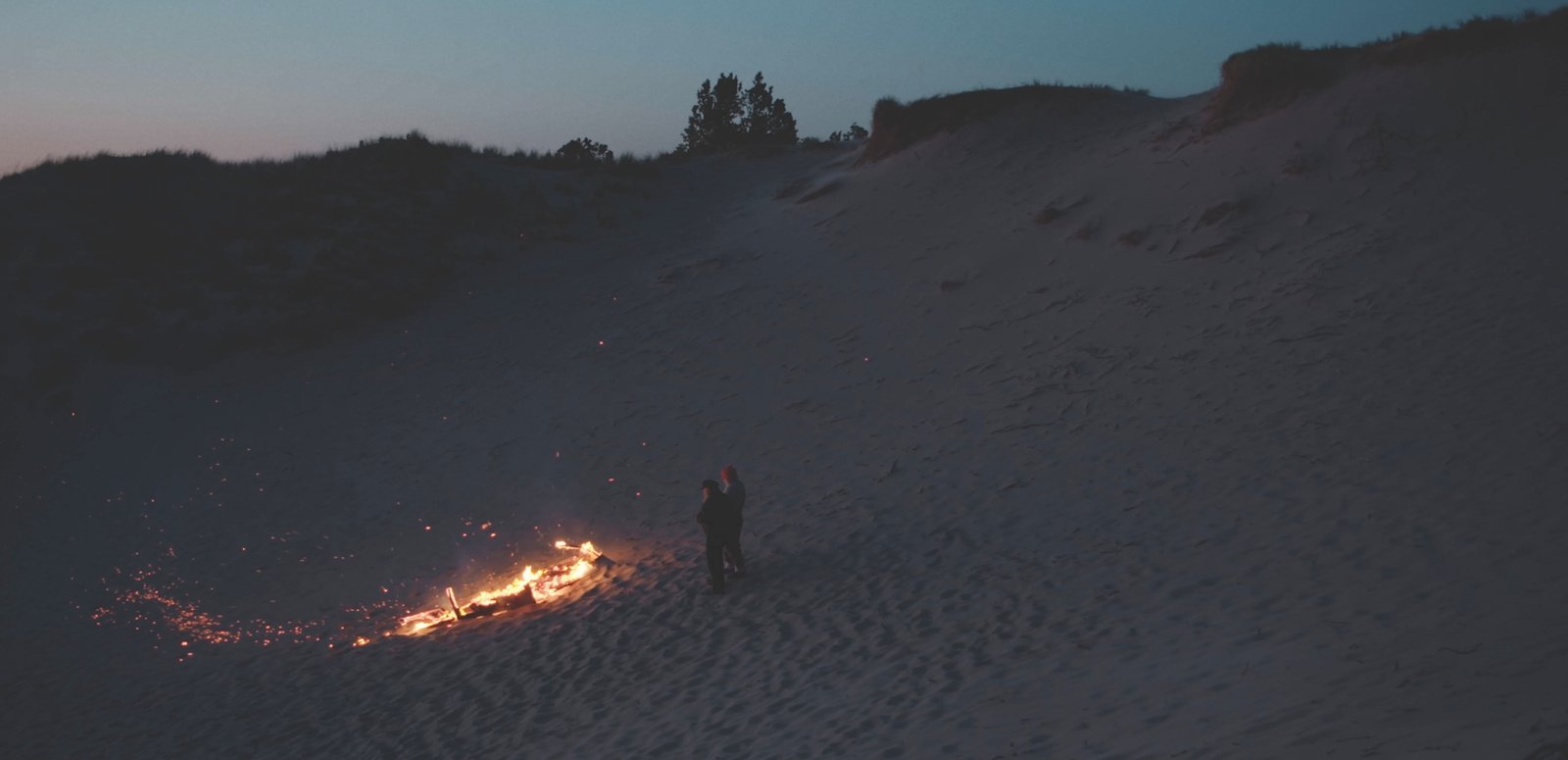
The first film is Sandcastles (2024) by New York-based Singaporean filmmaker Carin Leong. The 17-minute film binds two cities across the world from each other but bearing the same name: Singapore, Singapore, and Singapore, Michigan. The former is framed by its hunger for sand, while the latter has ceased to exist, having been swallowed by sand dunes due to deforestation in the 19th century.
The story of sand and the story of Singapore are deeply entangled. Artists like Charles Lim, Sim Chi Yin, and Yeo Siew Hua have engaged with its sobering and fictive qualities, with Charles Lim’s artistic research used as a source for Sandcastles. Its documentary predecessor is possibly Lost World (2018) by Kalyanee Mam, a short film that follows a Cambodian woman named Vy Phalla who traces the steps from her village destroyed by the global sand supply chain to Singapore’s Gardens by the Bay, which was not only built on reclaimed land but has also constructed itself as a major global public relations icon for Singapore. Between 2007 and 2017, Cambodia was a major source of supply of sand to Singapore,2 which remains the world’s top importer of the resource.
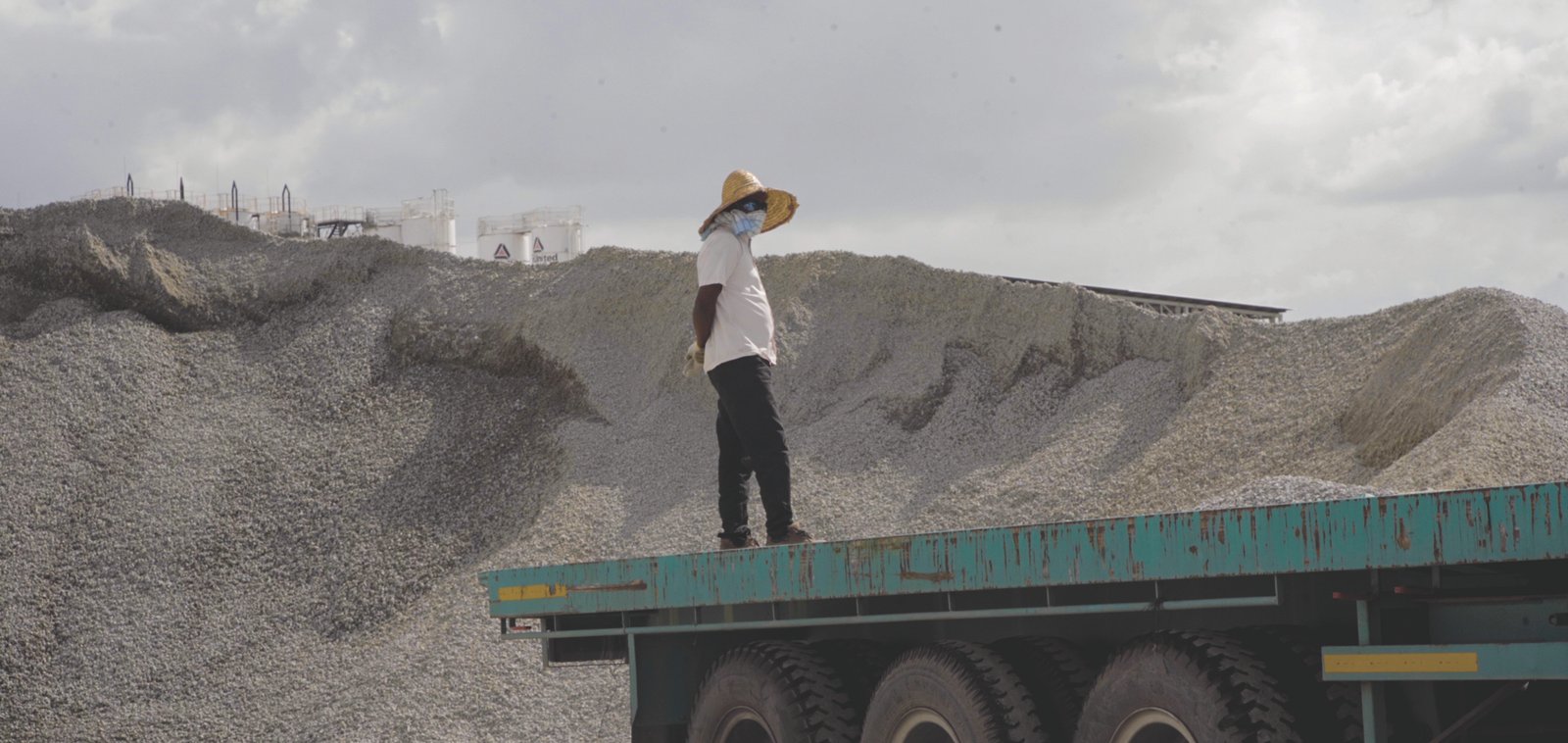
Carin Leong, Sandcastles (2024). Video stills.
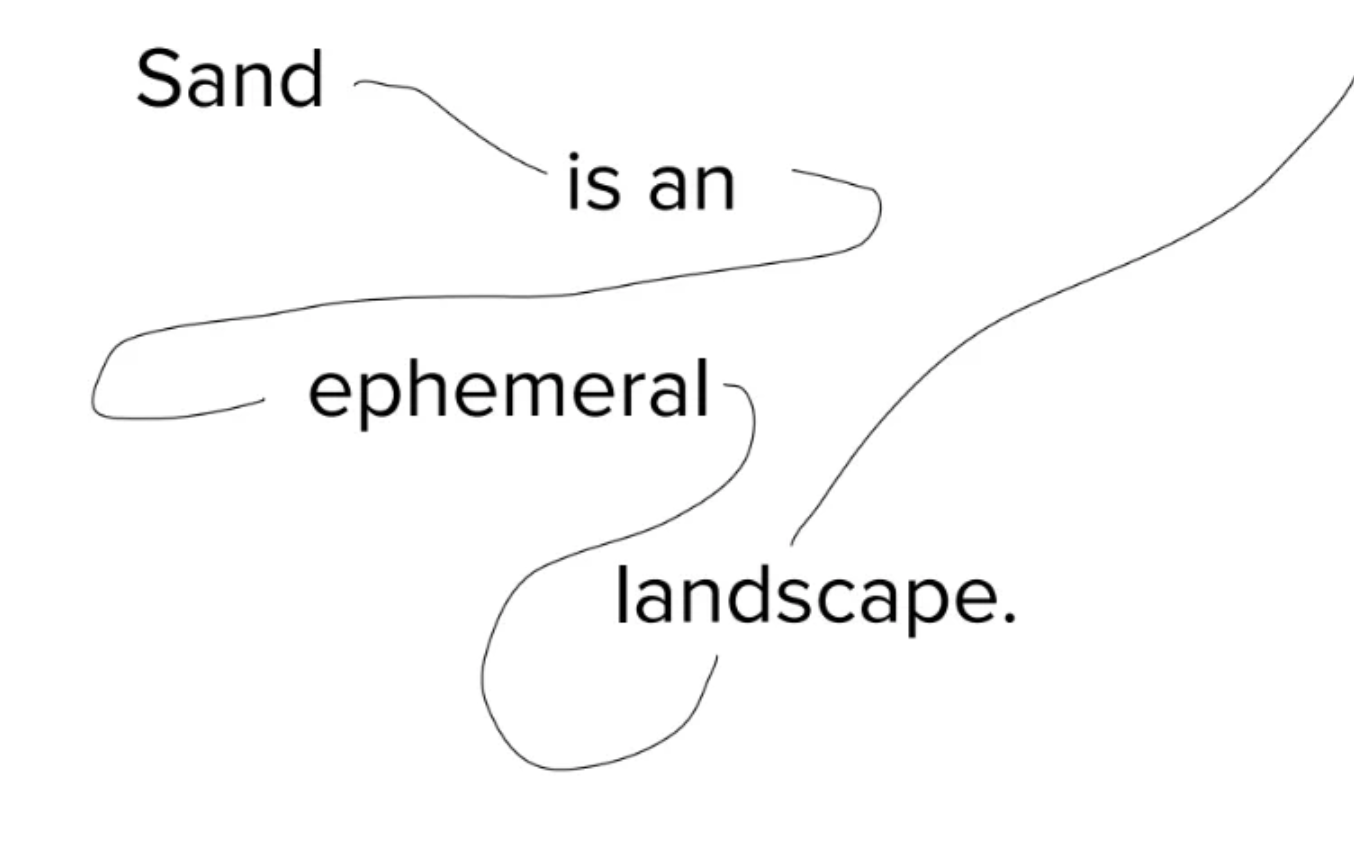
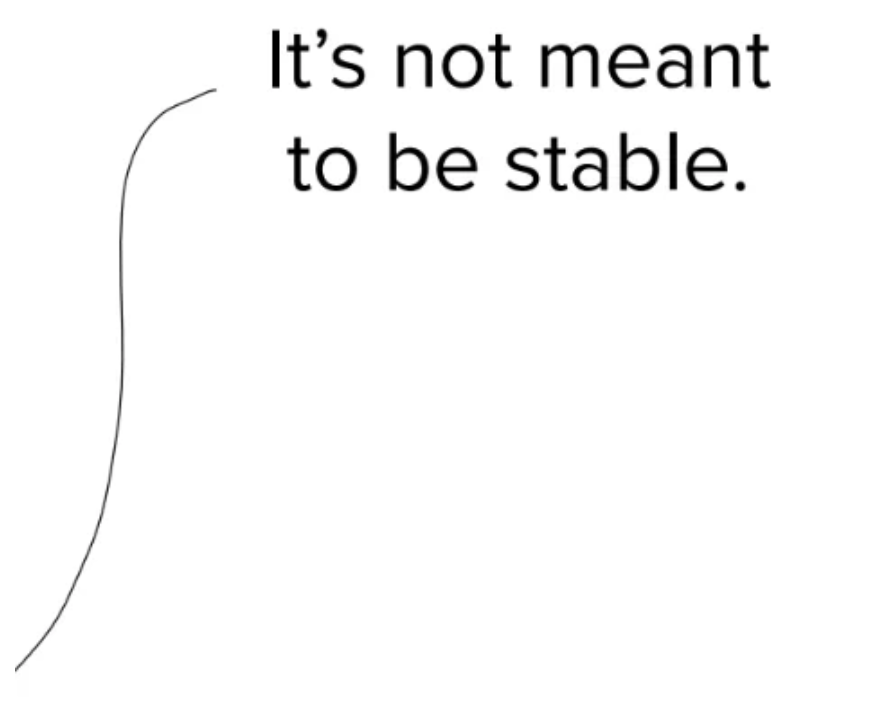
Leong’s take is similarly meditative to Mam’s, but with a dark premonition about human-centred greed. “Sand is an ephemeral landscape. It’s not meant to be stable,” says a character in the film, bringing the interconnectedness of precarity to the fore. The shots interweave between the two places, not always making it clear where we are. The past is also recalled through a grandmother figure, who tells a tale of how the “mountain” and “ocean” of her childhood environment disappeared via sheer human will, making memory seem both sobering and fantastical, a shared sentiment in novels like Rachel Heng’s The Great Reclamation (2023). Later, the credits in the film offer a dedication to the ancestral shorelines of both Singapores, summoning timelines that are beyond our immediate grasp.
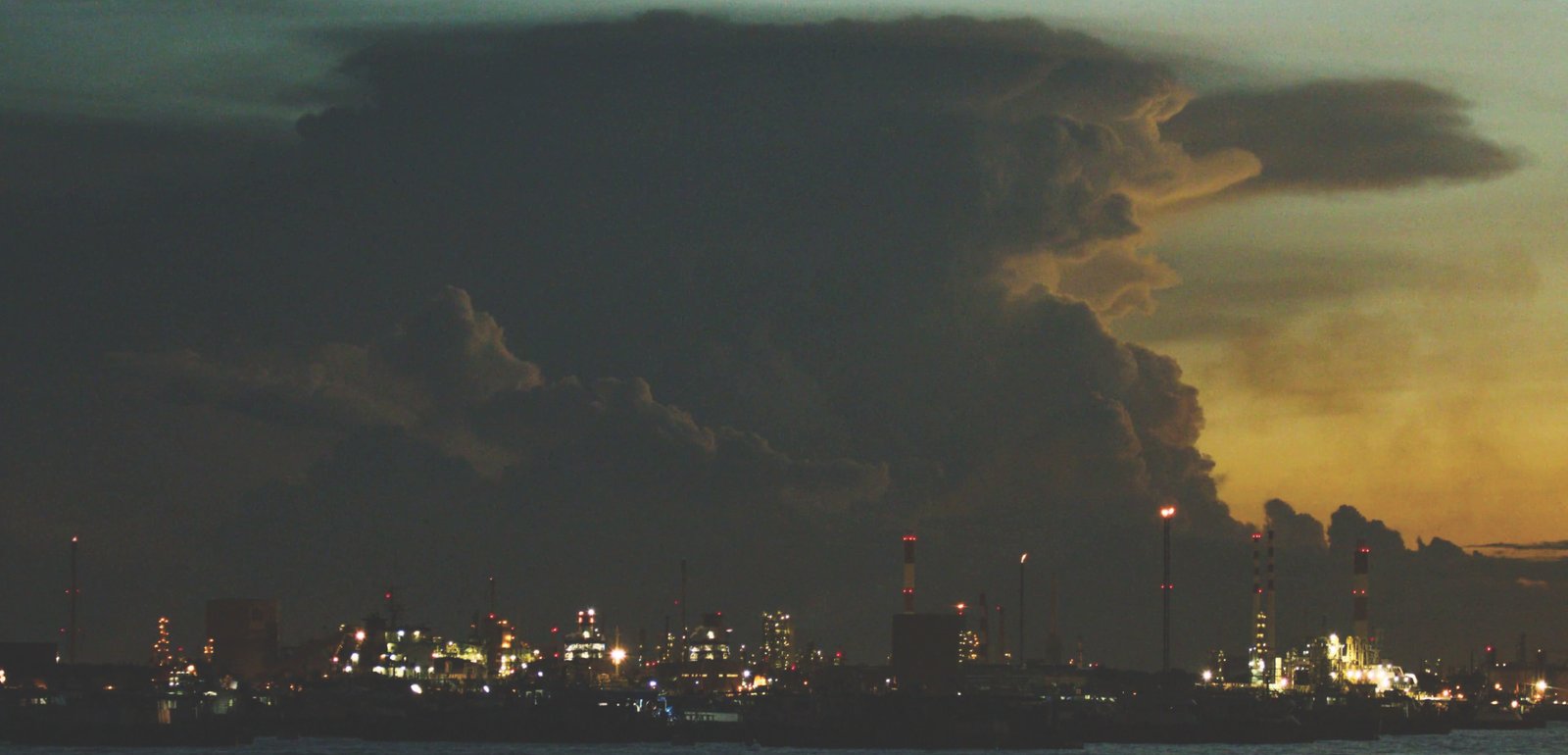
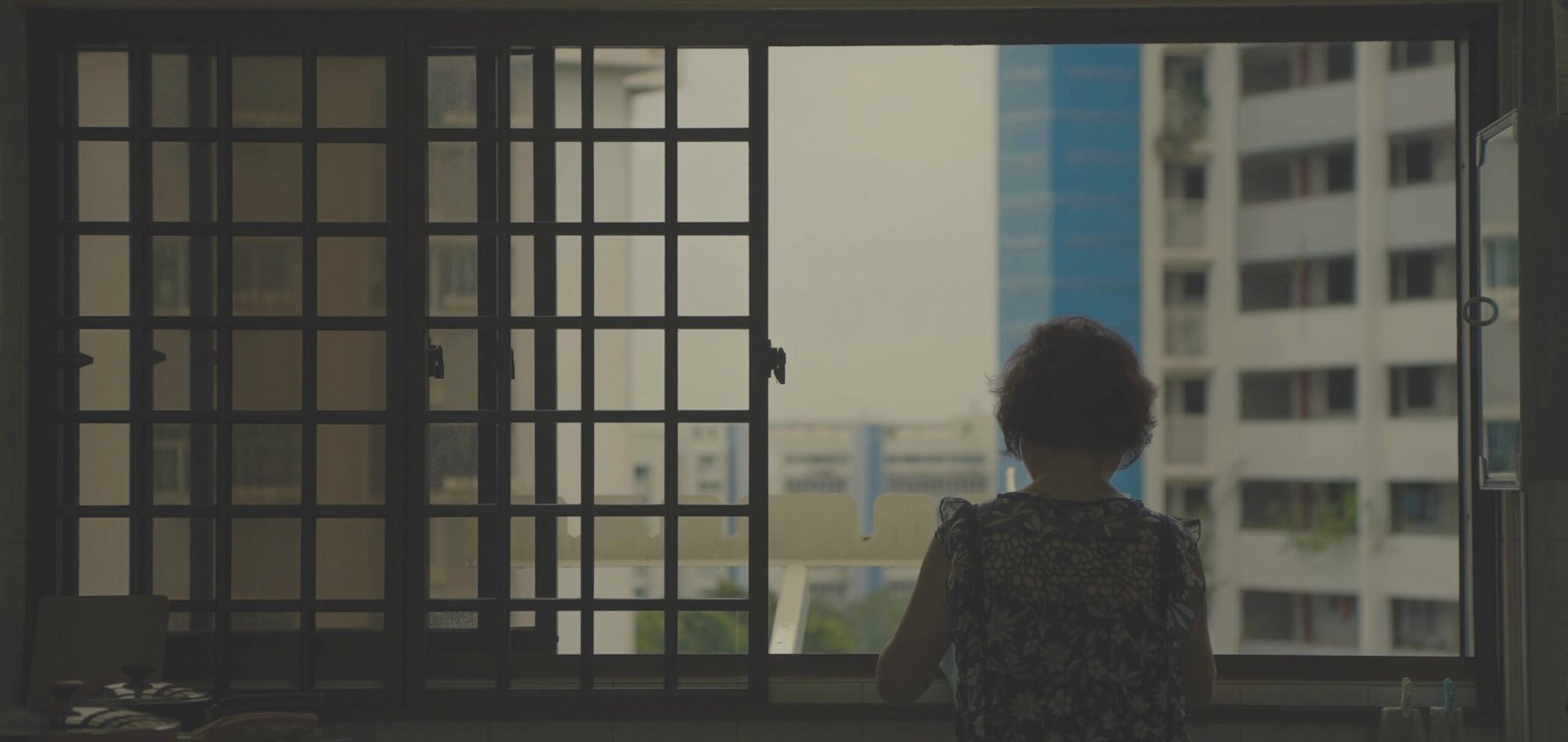
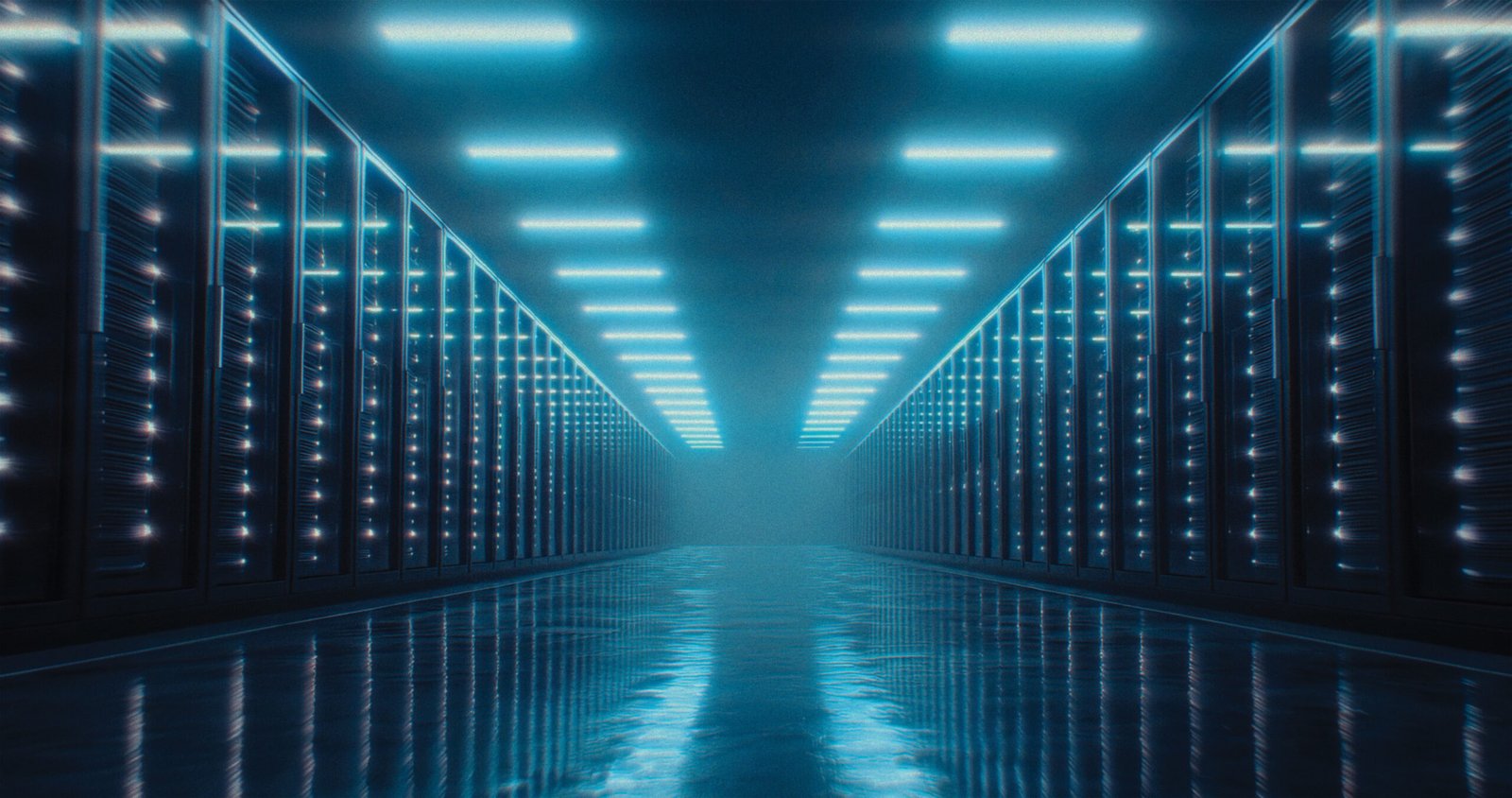
This meandering quality between time and space goes a step further in the second film Random Access (2023) by He Zike, a Chinese artist based in her hometown Guiyang which is also known as China’s data capital. Its mountainous terrain and cloudy, temperate climate have been rendered suitable for big data infrastructure. Huawei, Apple and Tencent are just some of the corporations based there, but there are at least 49 key data centres as of September 2025.3
Random Access draws its title from tech lingo, which refers to the ability of a computer storage device to access any data element in equal time, no matter its location. He uses it as a metaphor for how memory is processed, particularly in a time where embodied knowledge is tightly interwoven with digital technology.
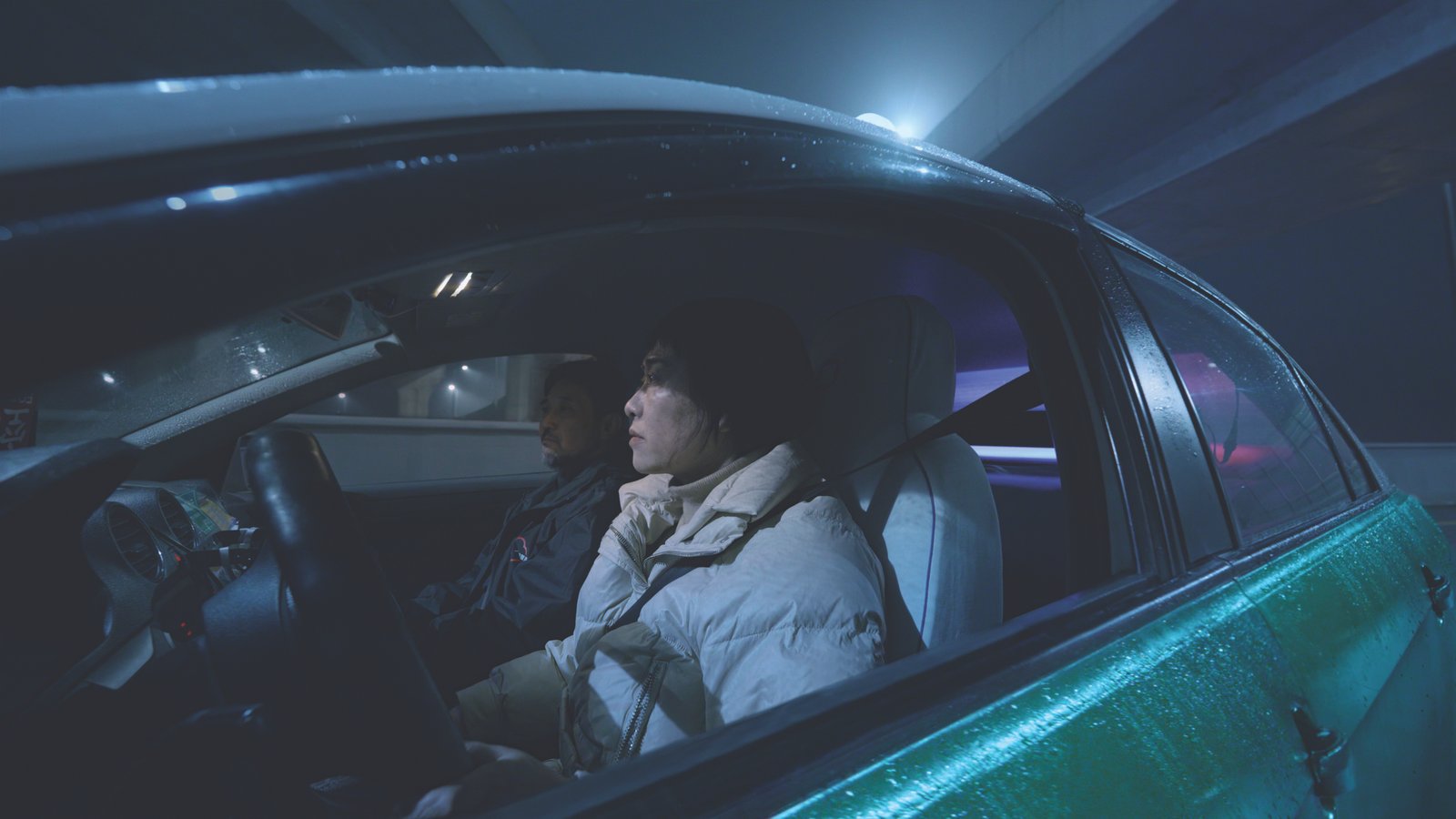
He Zike, Random Access (2023). Video stills.
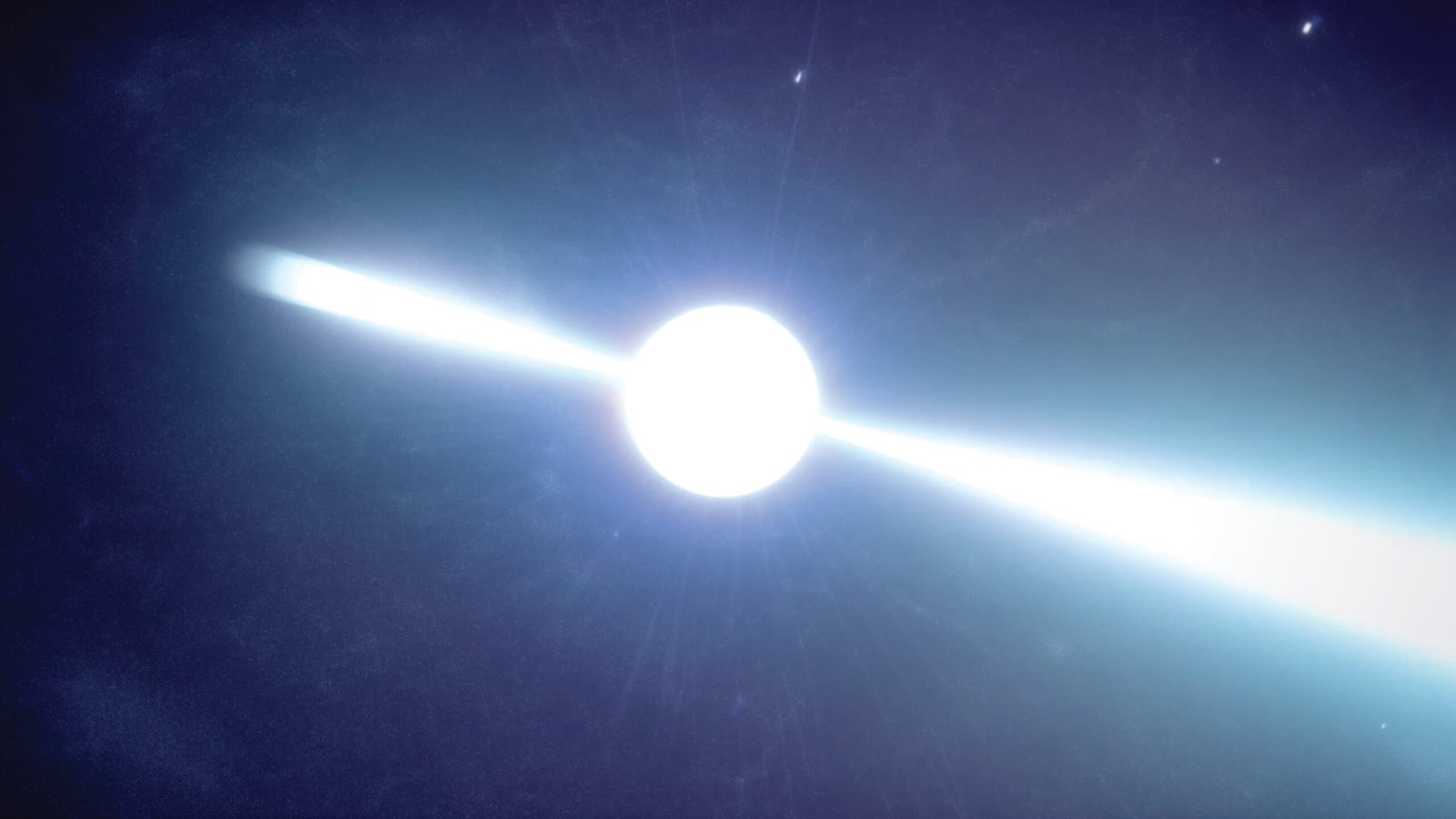
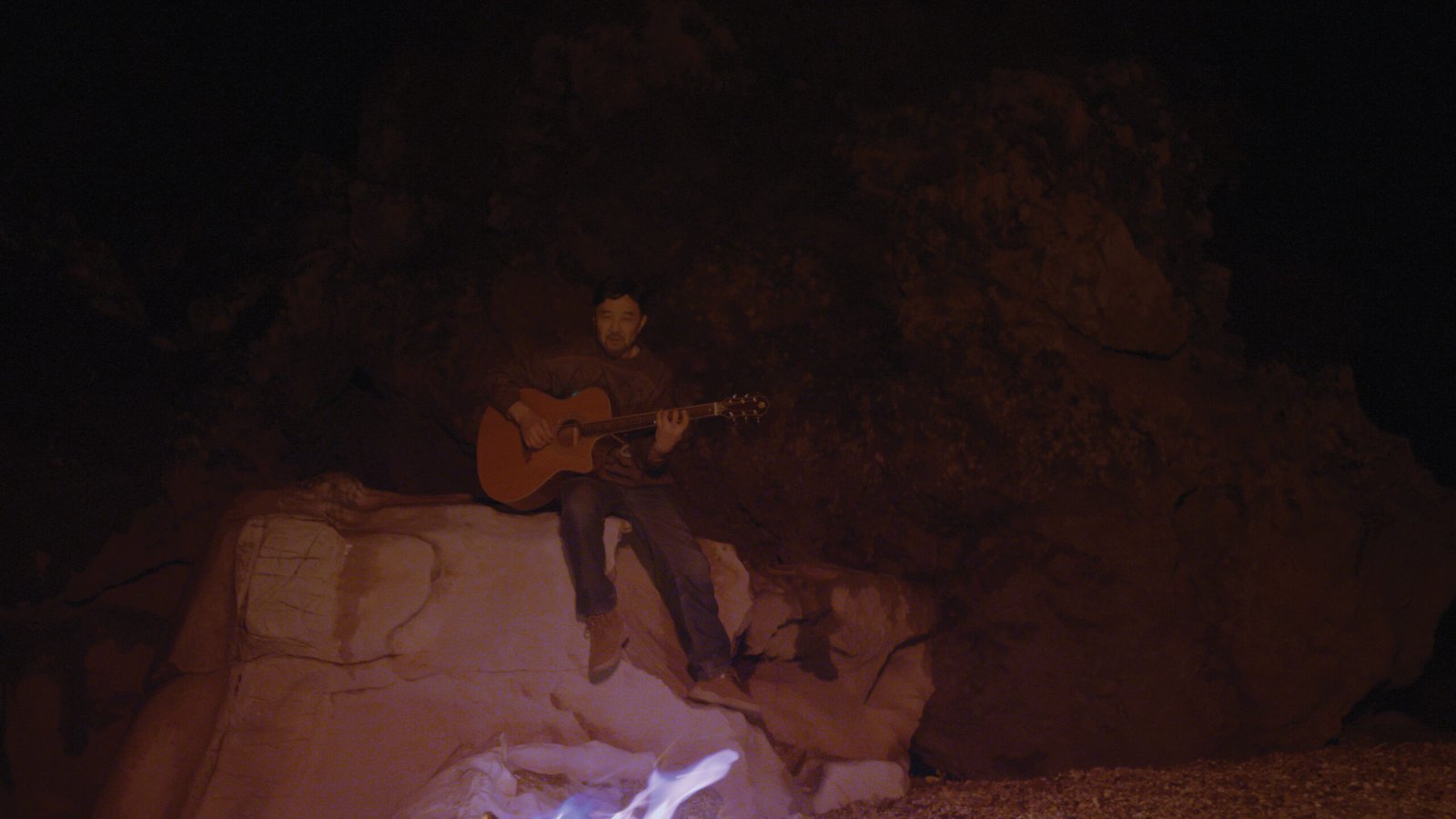
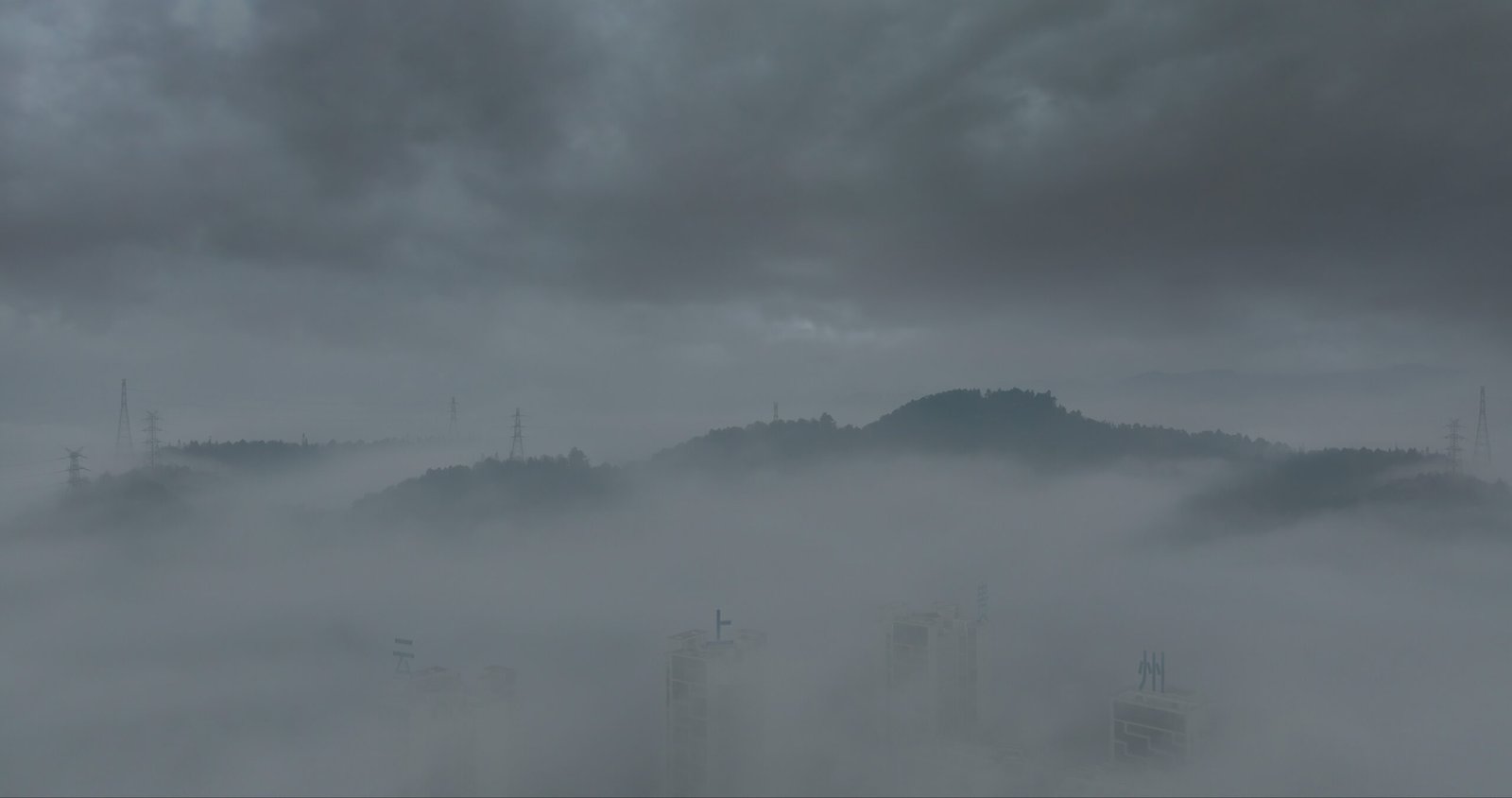
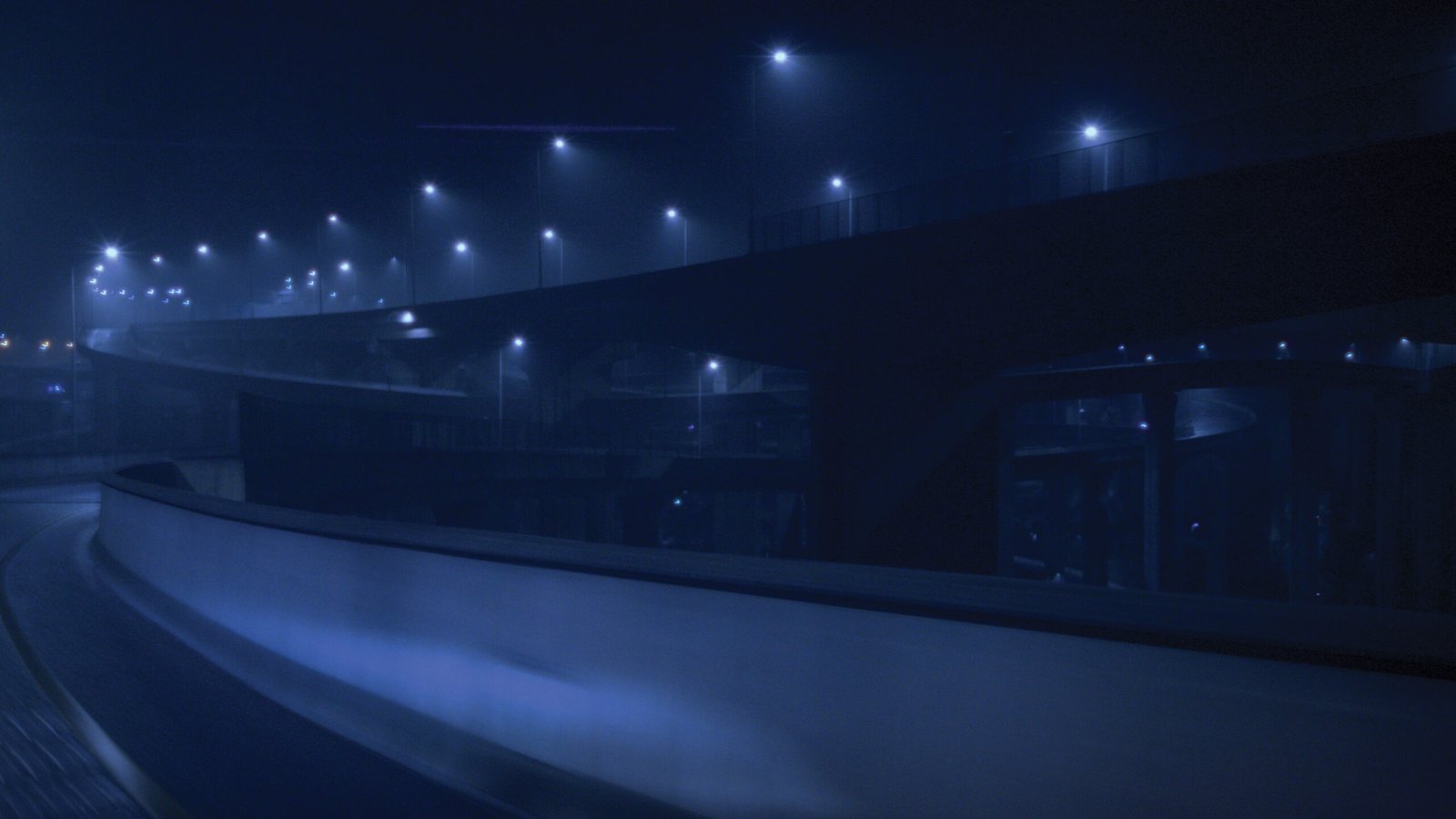
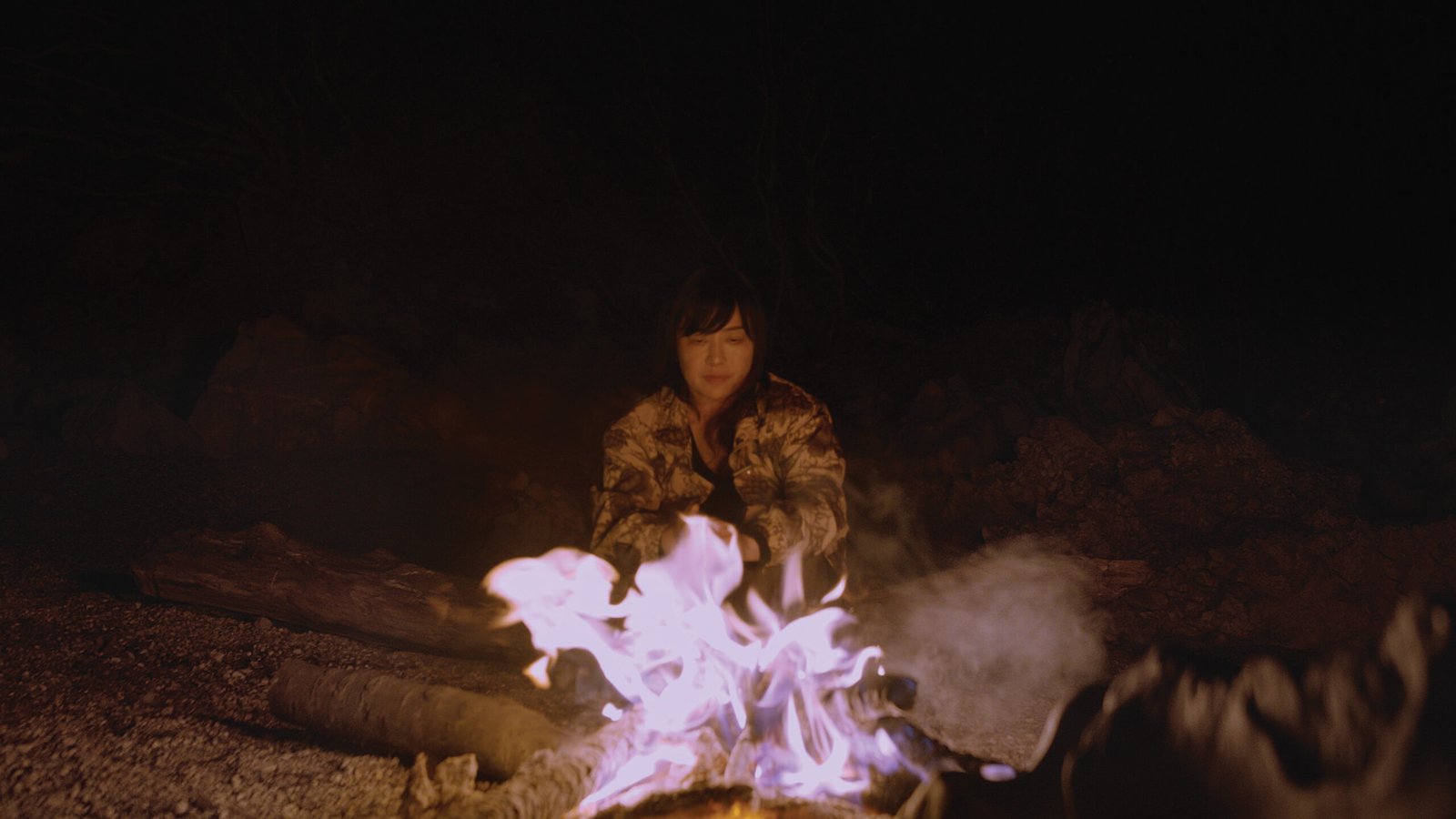
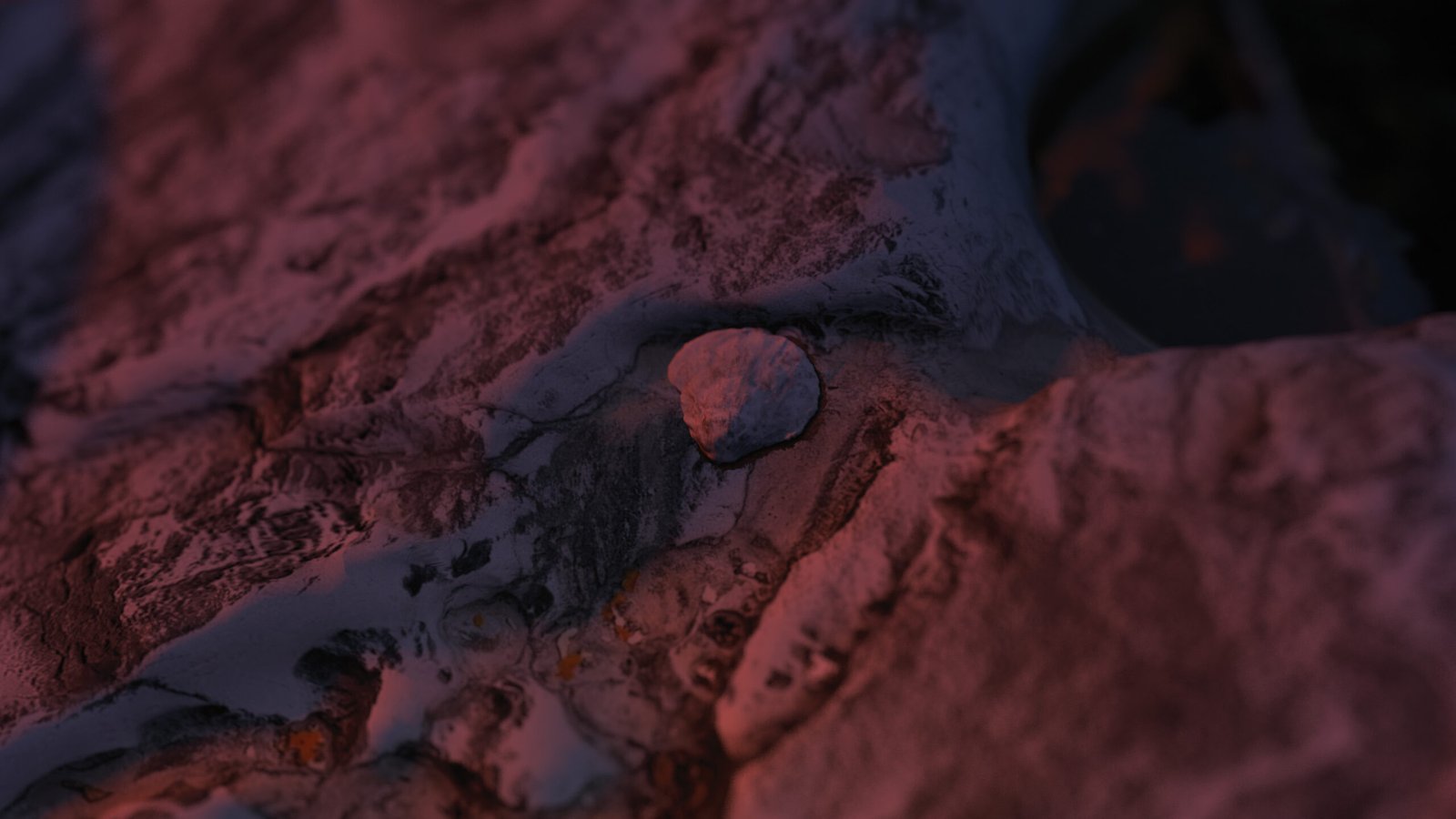
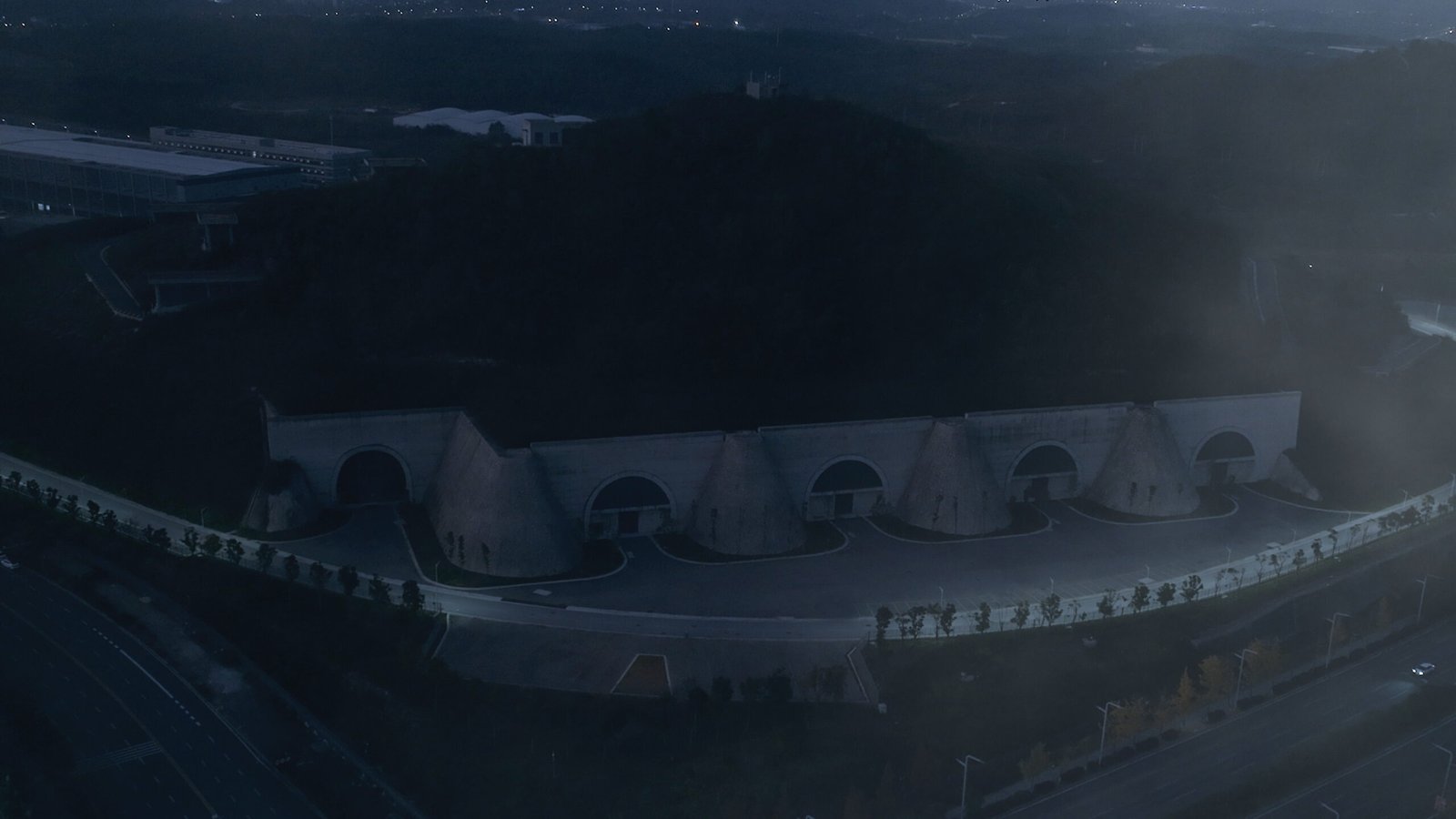
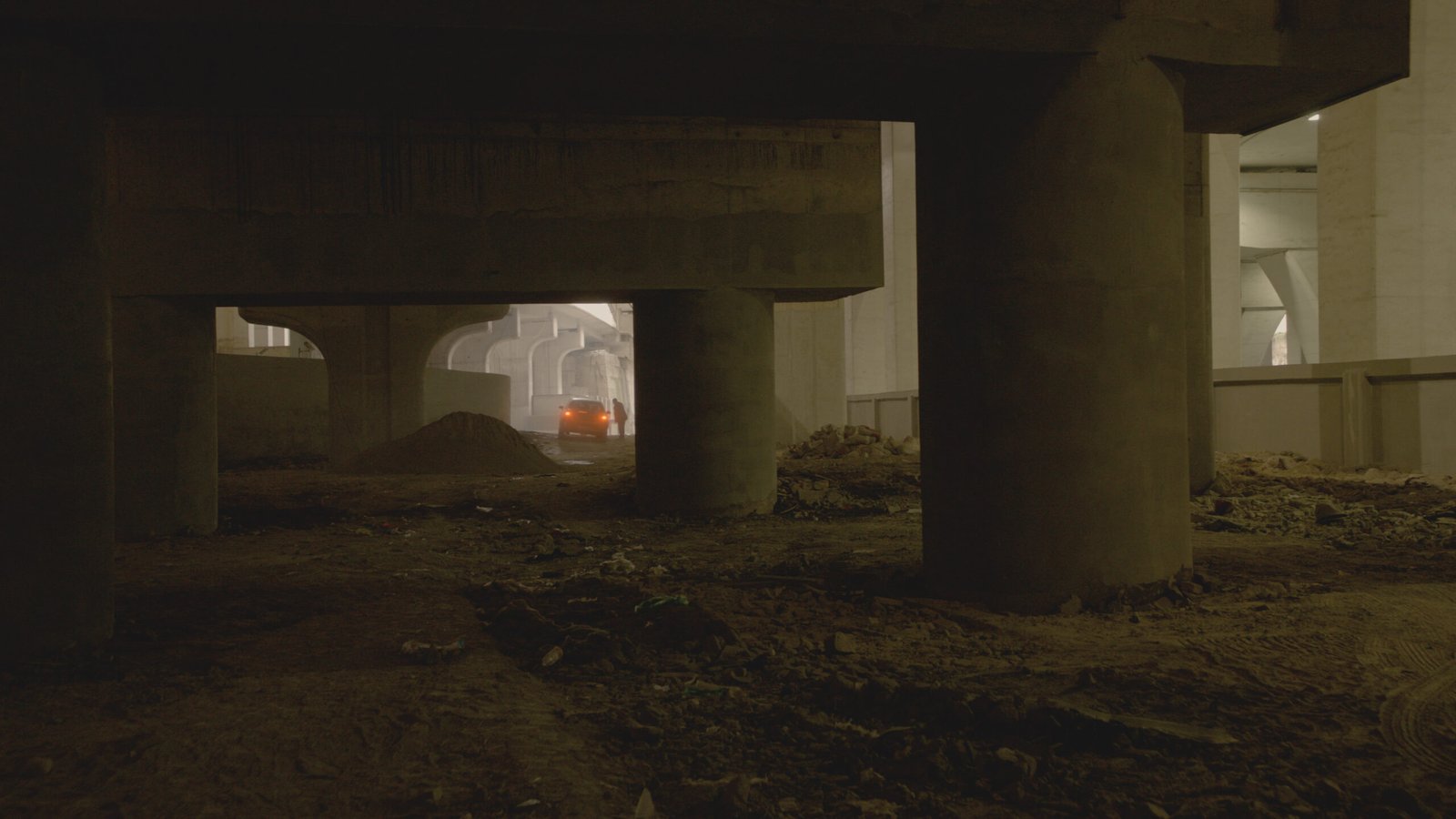
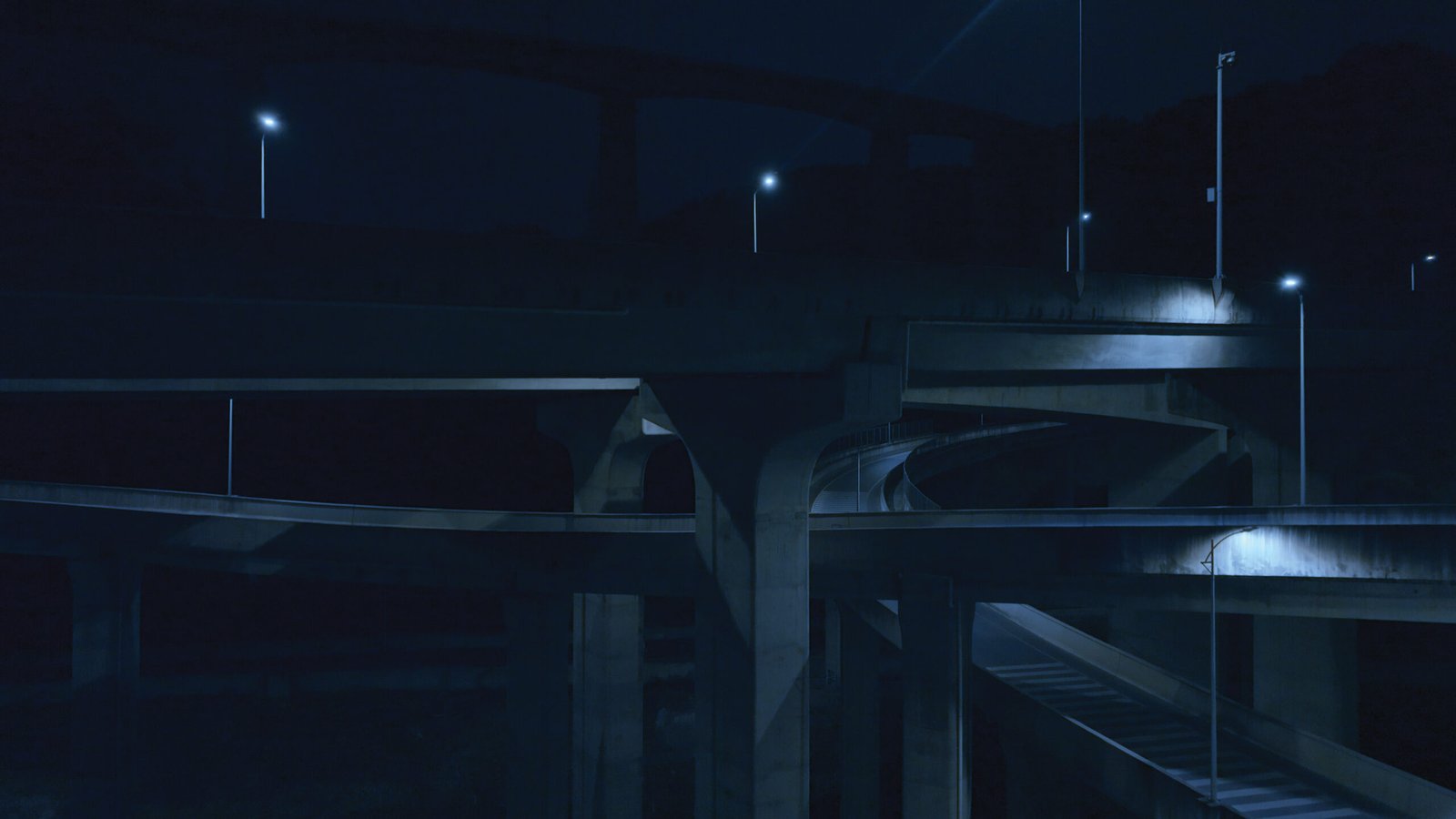
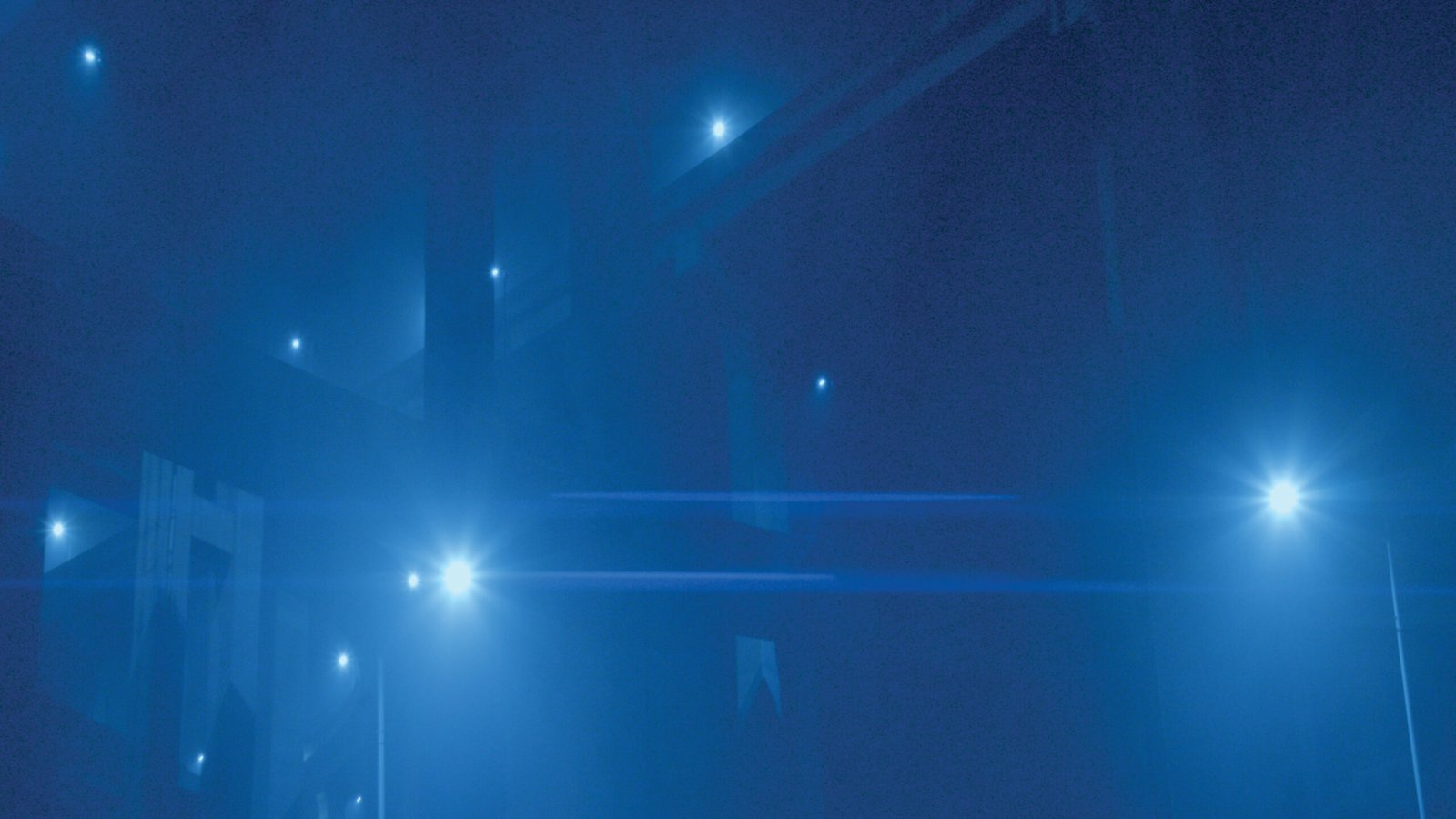
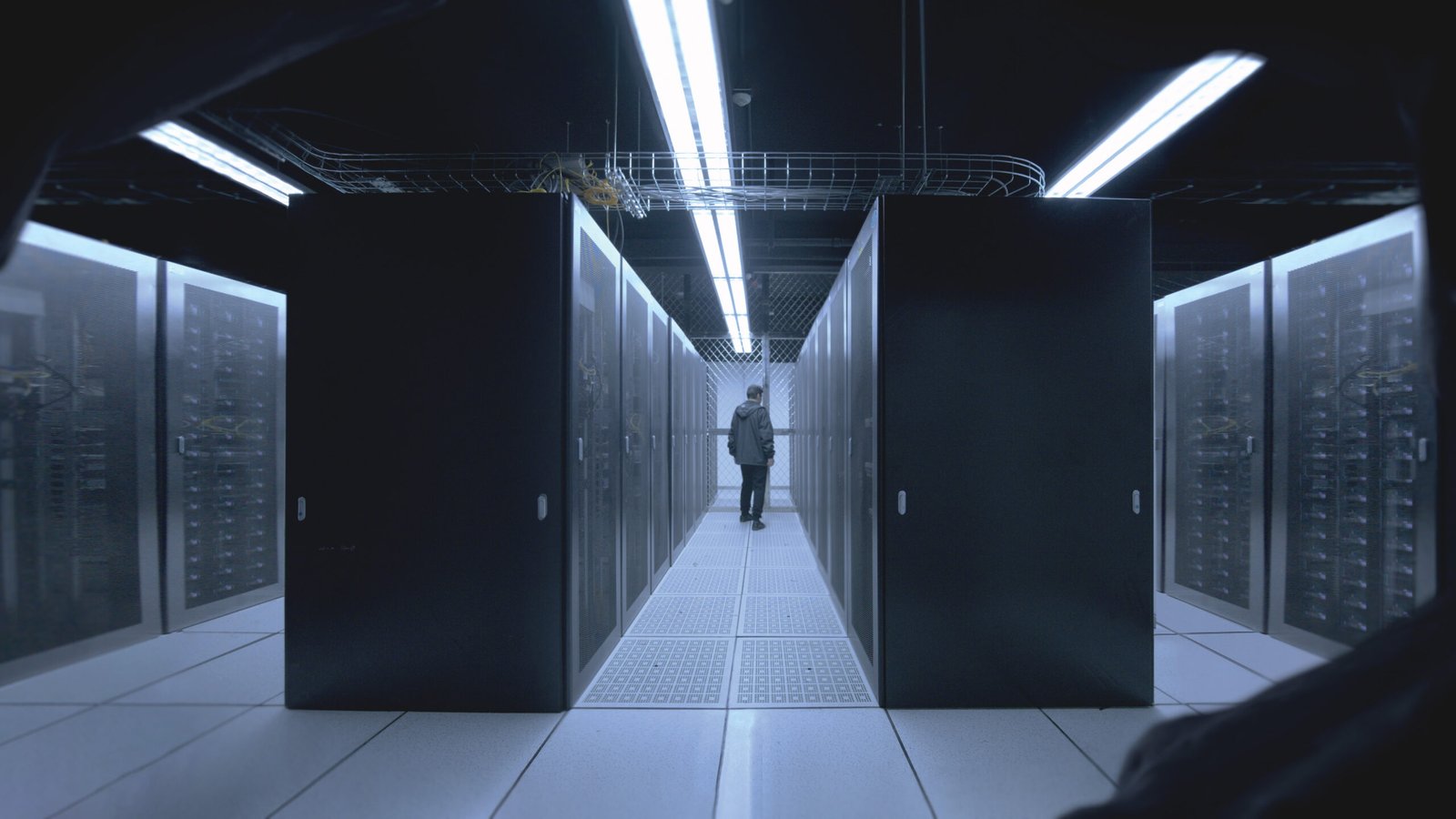
The narrative begins the day after the city’s central data centre crashes and reboots. Two lonesome figures, themselves ghosts in the machine, meet and drive through the city, trying to relocate themselves. Along the way, they recall each other’s memories, as well as ancient oceans far beyond their temporality, as though they are along the shores of something much larger than themselves.
When I was still a shell
Sea water receded from this land
Then the mountains rose
The rain fell down
Pouring into the bodies of the ground and the mountain
Until one day they cannot be beheld any longer
Forming the rivers, the caves and the sinkholes
Bursting and gushing out like memories
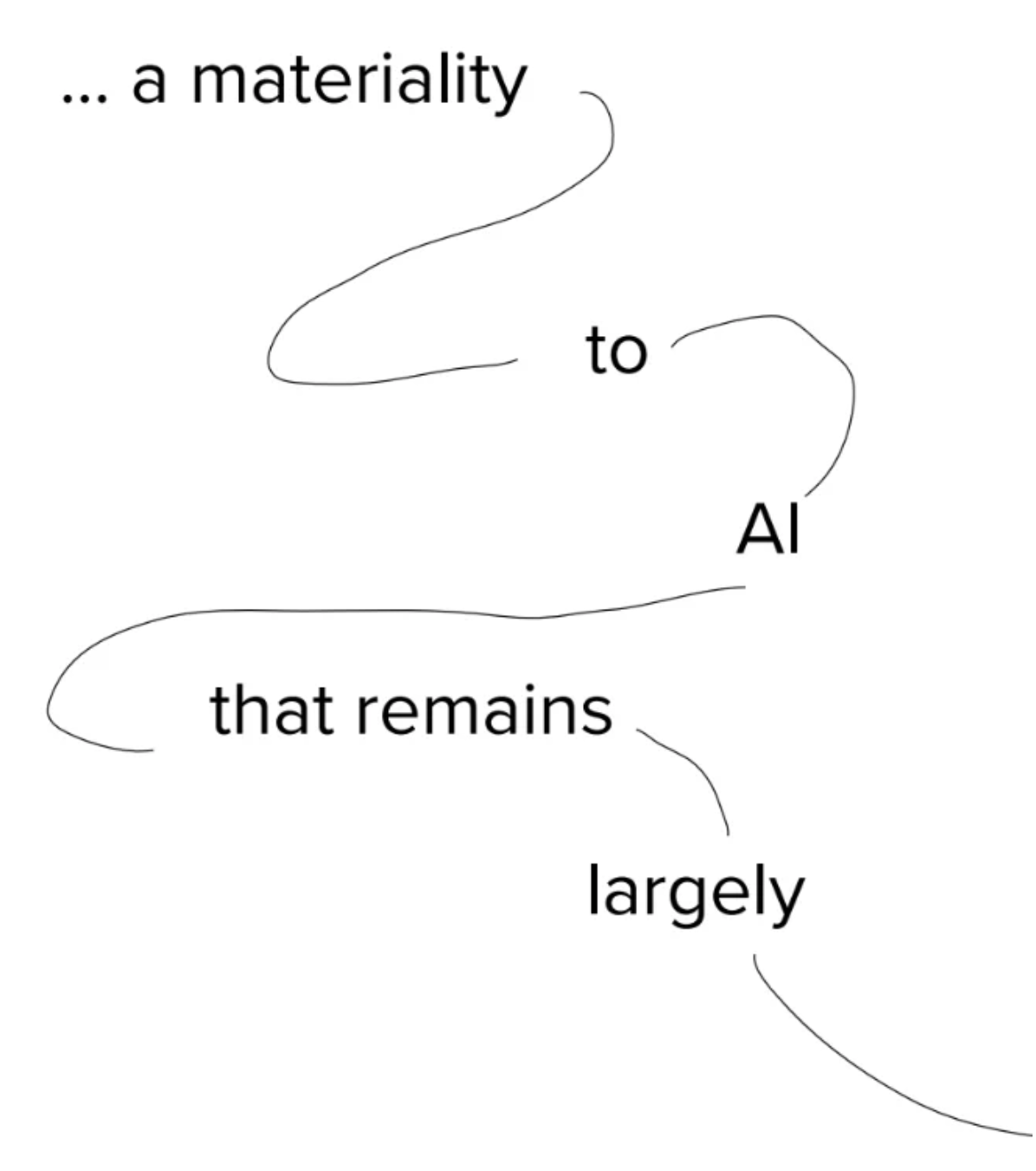
The characters sing, sometimes accompanied by a guitar, expressing a sentimentality that contrasts with the robotic voice of the GPS in the film. Are they remembering folklore, or creating it in real time? No one seems to be sure. But He’s placement of working-class labourers in a desolate cityscape recalls the hidden labour behind the city’s big-data development. “If we probe into some of the mainstream social imaginaries about AI,” says Professor Bingchun Meng of the Department of Media and Communications at the London School of Economics, “there seems to be this fantasy about the ‘cloud’—it’s clean, it’s ethereal, and it’s somewhere out there doing wonderful things. But what is visible to the general public about AI is really the tip of the iceberg. Actually there’s a whole production line starting from lower-level data processing jobs, a materiality to AI that remains largely hidden.”4
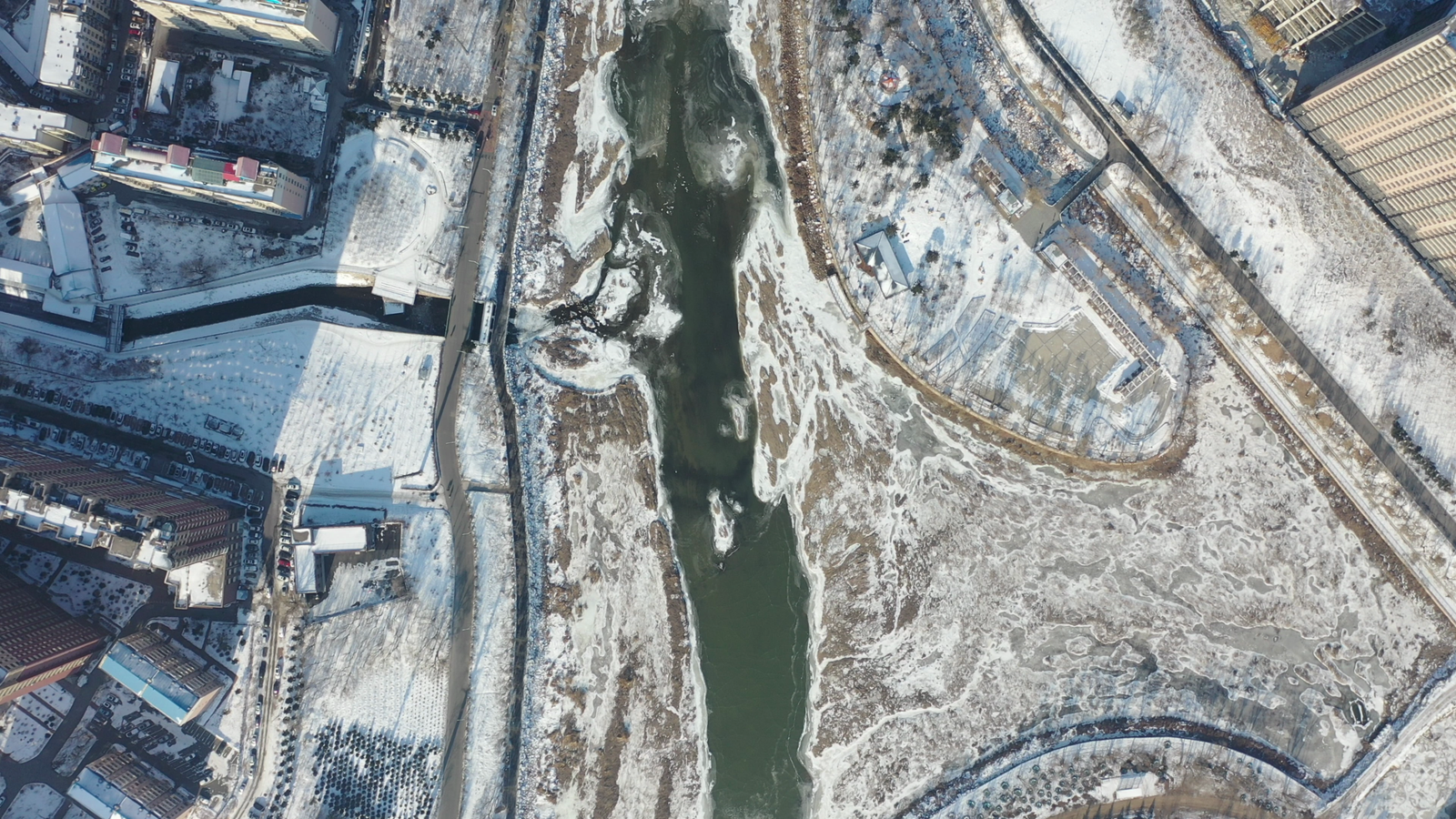
Even as Singapore and the rest of Southeast Asia continue to invest more in becoming data centre hubs, we are only just beginning to contend with the effects that such technology will have on our sense of identity. If stored memory can be so easily re-written, does that lead to a replication of history? It’s a question that takes us to Tungus (2021), the third work in Wang Tuo’s ambitious The Northeast Tetralogy film series. Comprising the video works Smoke and Fire, Distorting Words, Tungus and Wailing Requiem, the series constructs complex narratives about Northeast Asia and its fractured history.
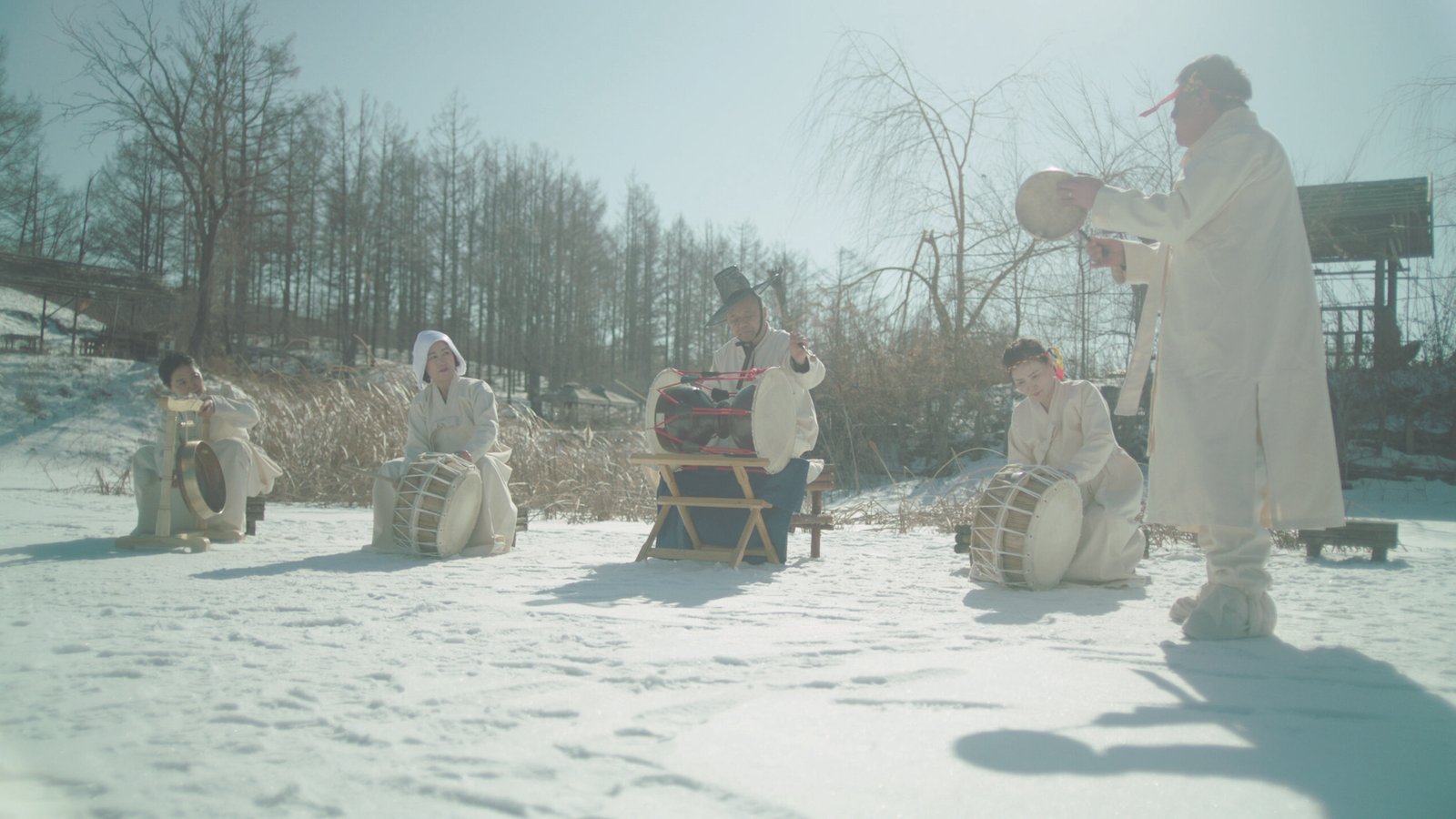
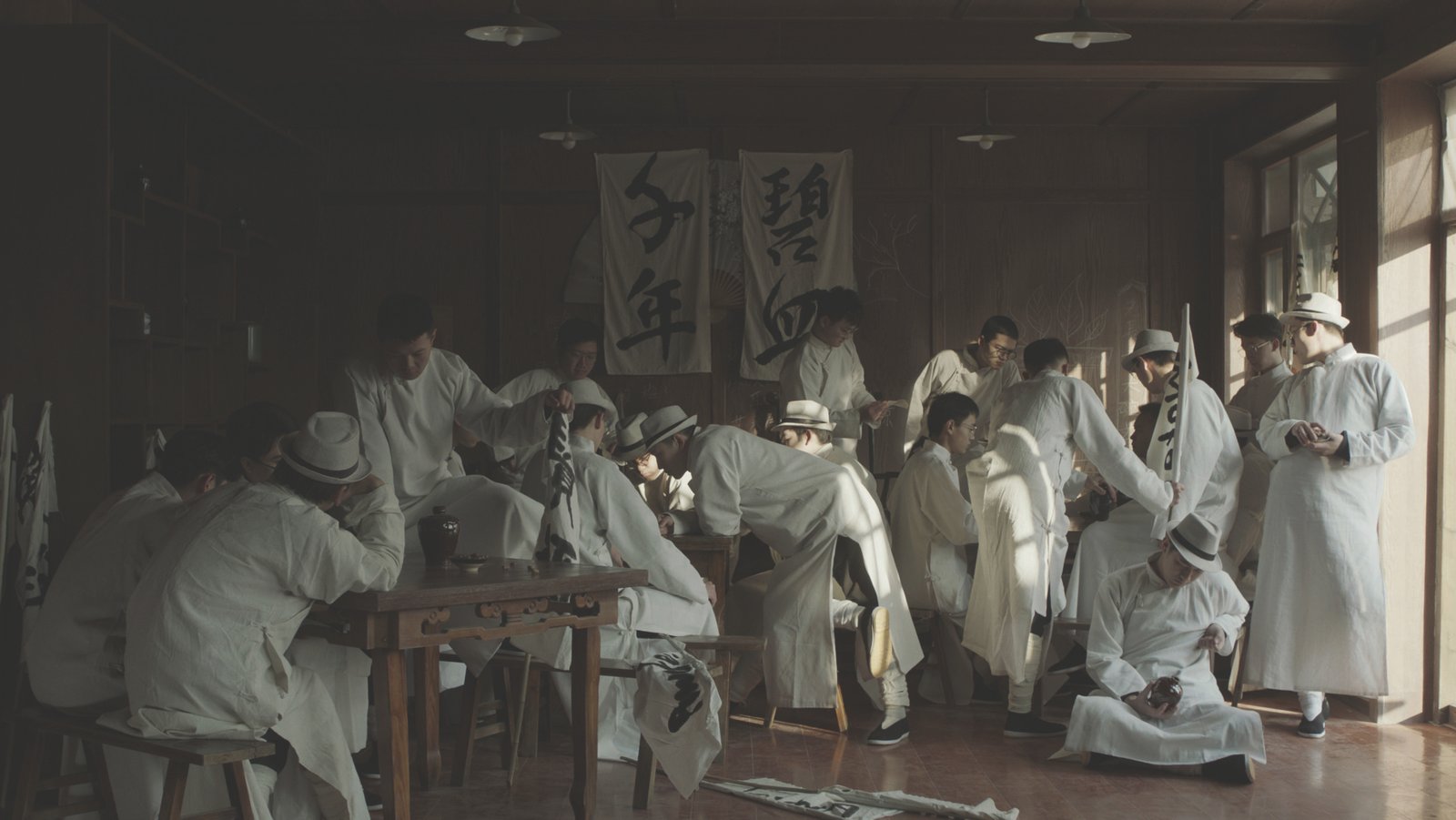
Like He in Guiyang, Wang looks at the immediate geography surrounding his hometown, Changchun, particularly through its untreated historical trauma and suppressed collective consciousness, expressed through what he calls ‘pan-shamanisation’ which is when individuals act as mediums for past spirits to re-embody. History thus cannot help but repeat itself.
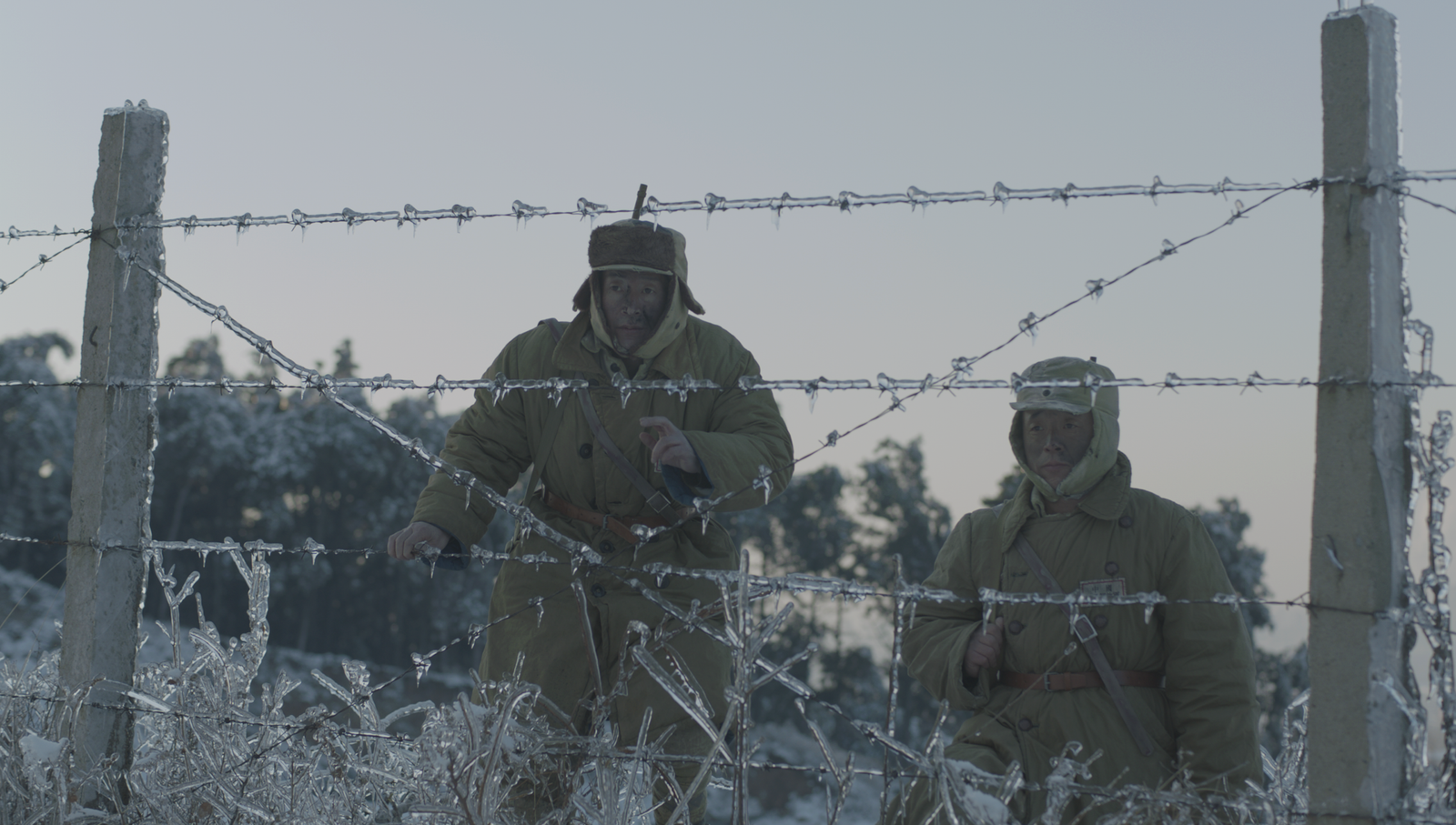
In an interview with EastEast, Wang shares the contextual backdrop of the film: “The background of Tungus is the Chinese Civil War and the siege of Changchun in 1948, which is a super sensitive historical incident—for the Communists and the Kuomintang (Chinese Nationalist Party) alike. Changchun, the former capital of Manchuria, was held by the Kuomintang and the Communist Party of China wanted to take it as part of its liberation war strategy. Since they didn’t have enough military force to do so, their plan was to circle the city, to siege it. The siege lasted for more than six months, no one could get in or out of Changchun—which means there was no food supply either. The Kuomintang government wanted to let the citizens leave so that their army would have enough resources and could continue fighting, but the CPC wouldn’t let anyone out, as they wanted the citizens to fight for food with the Kuomintang. There was formed an intermediary circle, a ring around the city, with tens of thousands of people stuck inside it, starving to death. This history is not included in our textbooks.”5
Wang Tuo, Tungus (2021). Video stills.
The film centres on two Korean soldiers who first fought with the Chinese against the Japanese, and then with the Communists against the Kuomintang, who are trying to find their way back to Jeju – which is simultaneously experiencing its own uprising. Interspersed with this story are scenes in which an aging, starving scholar prepares his own suicide. The two soldiers trudge on, only to find themselves in a liminal Groundhog Day.
Chinese intellectual Sun Ge writes about the field of Asia through the lens of fūdo, “the natural geographical characteristics possessed by a given region or geographical space. The combination of these characteristics with the particular spiritual life of people via social activities is called fūdo.”6 Pan-shamanisation then, according to Wang Tuo, is Northeast Asia’s fūdo, as long as collective traumas remain unhealed.
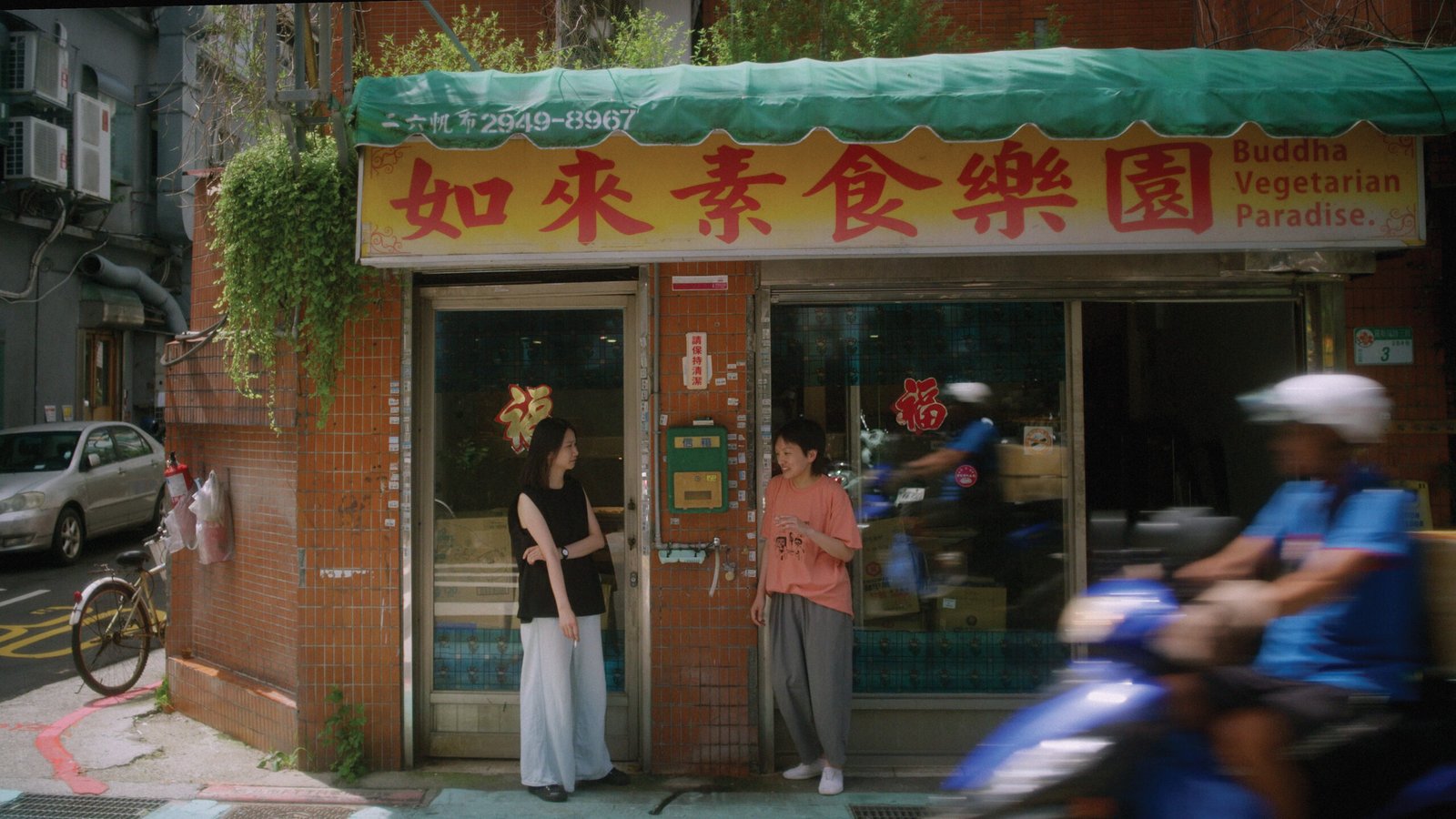
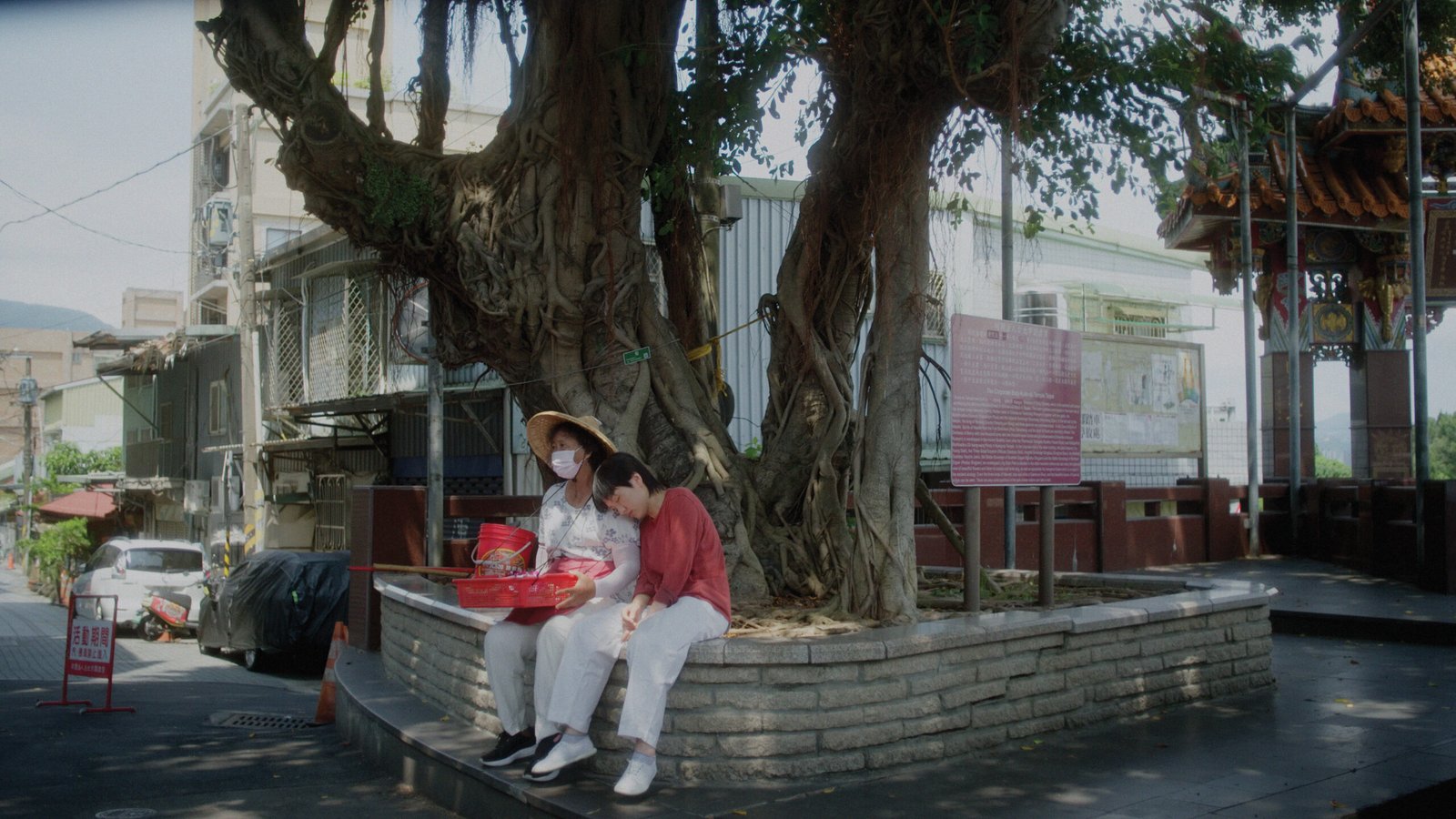
The next film, Mooni Perry’s Missing (2024) has resonances with pan-shamanisation but is rooted in a cosmology of disappearance, loss, women’s lives and Taoism. Beginning in Taiwan and unfolding towards Berlin where the Korean artist is based, the film features five main protagonists: T, a detective who secretly helps women disappear; K, searching for what they have lost in Taiwan; J, drifting after an eating disorder; I, a performer reenacting the Buddhist “Ten Bulls”; and F, who has withdrawn from the world in a long depression.
Resisting fixed ideas of home, roots and identity, Perry employs Taoism as a fluid framework that shapeshifts according to locality, allowing those who need it to remain lost.
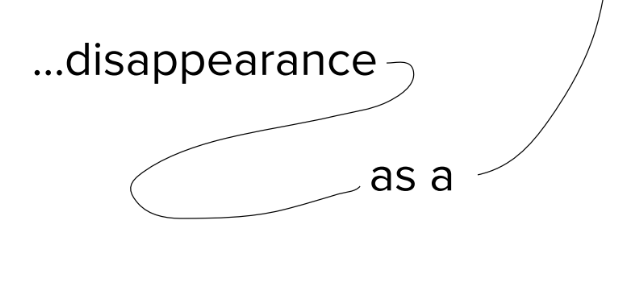
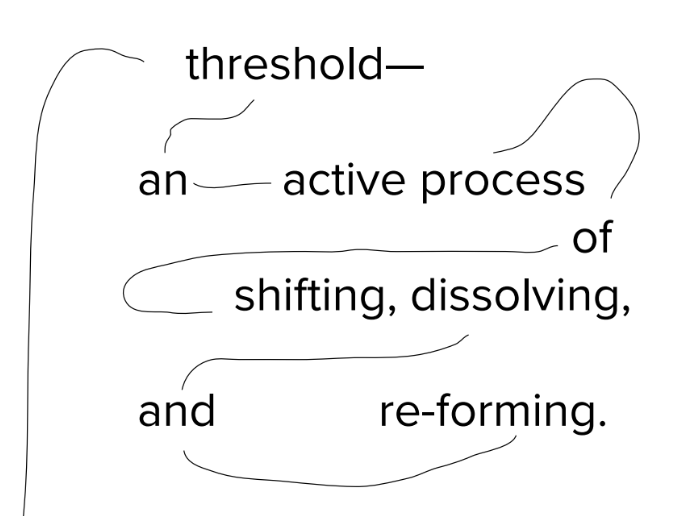
In her artist statement, Perry writes, “I am drawn to disappearance as a threshold—an active process of shifting, dissolving, and re-forming. In Taiwan, I encountered Taoist practices that understand life as continual transformation shaped by devotion, locality, and unseen forces.
Missing emerged from these encounters and from my own movements across cities, languages, and queer diasporic networks. The multi-channel structure follows the way memory circulates: fractured, overlapping, resonant. The installation becomes a space where loss turns into creation and where disappearance becomes another form of presence.”
Terra emerges here not as a geopolitical entity but as a form of networked relations, something that science-fiction novellas like Neon Yang’s silkpunk Tensorate series also explore, remapping the world according to interiority.
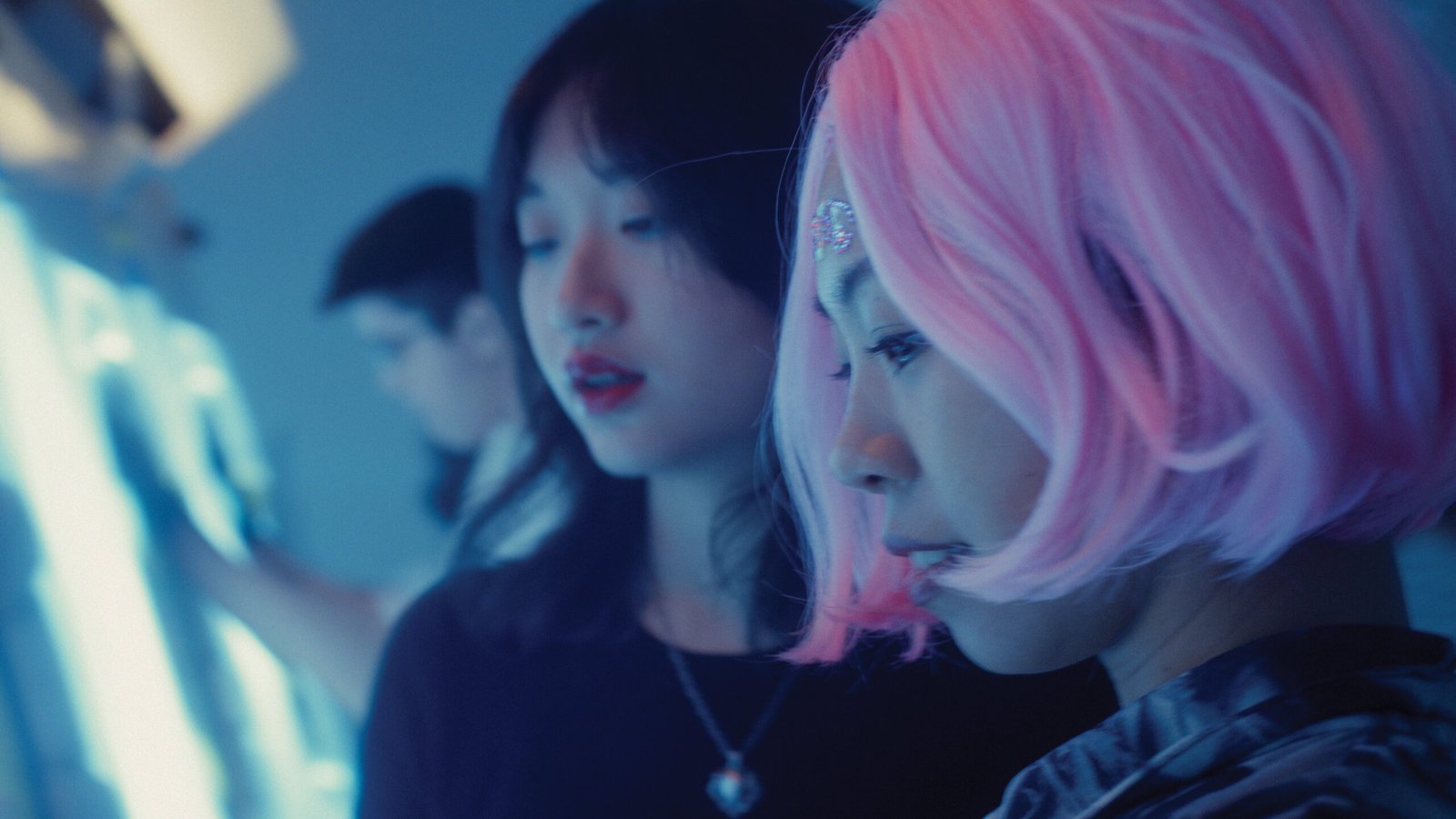
Mooni Perry, Missing (2024). Video stills.
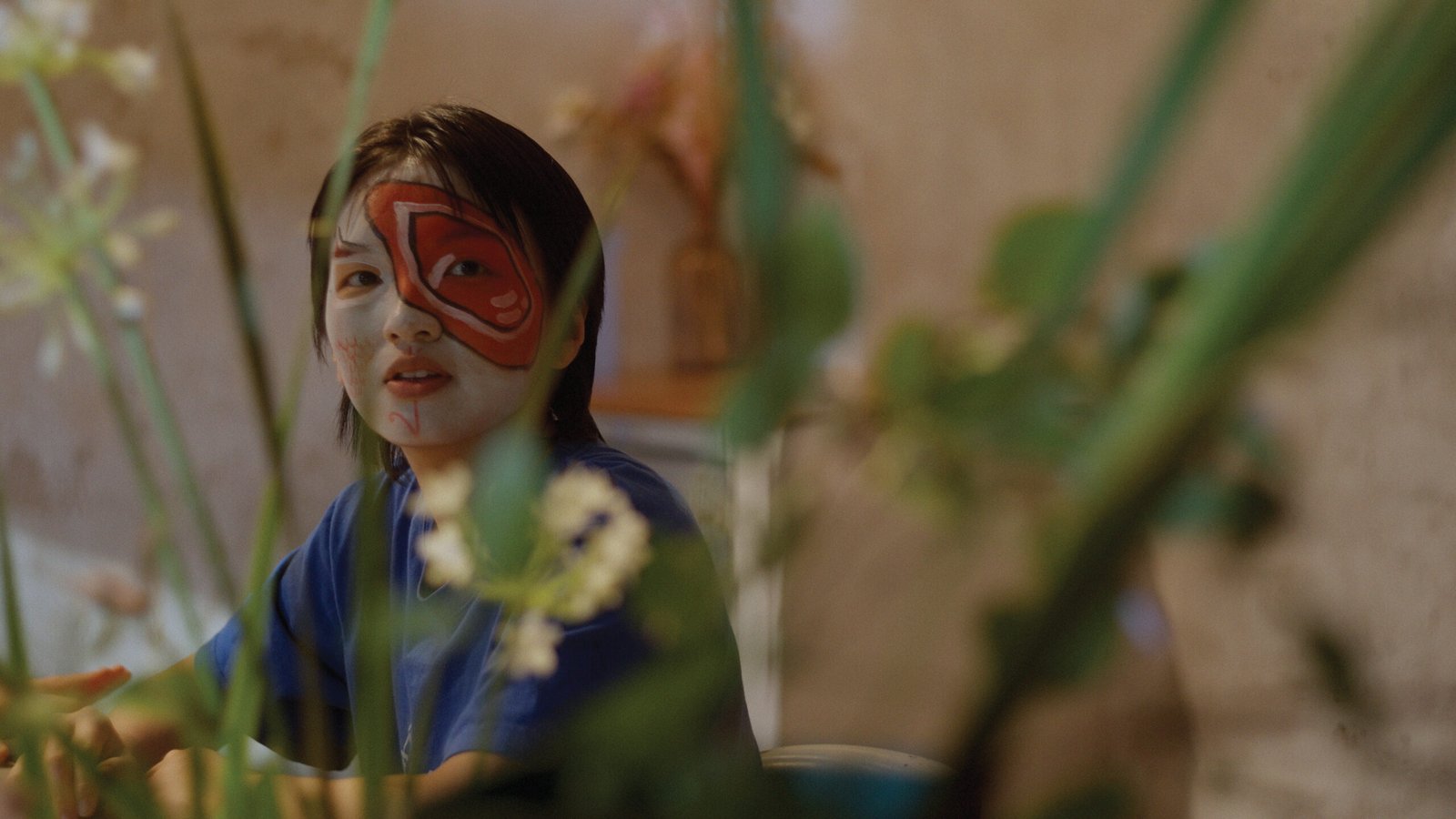
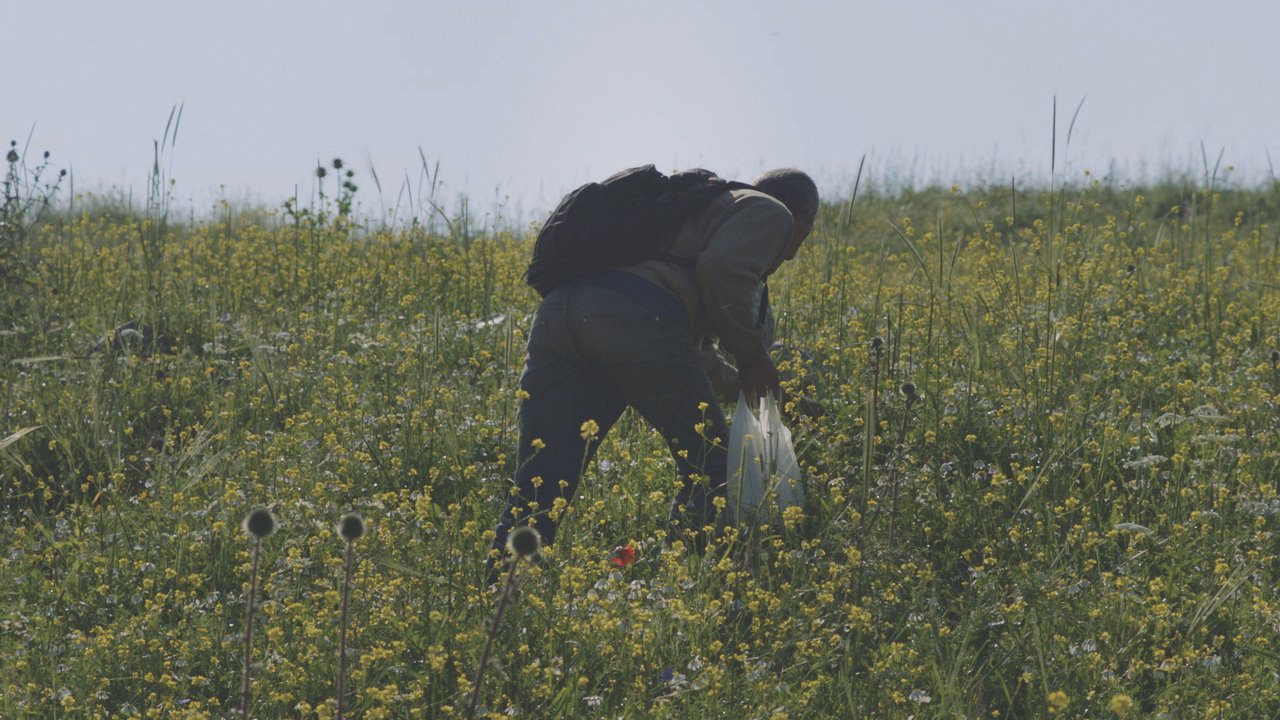
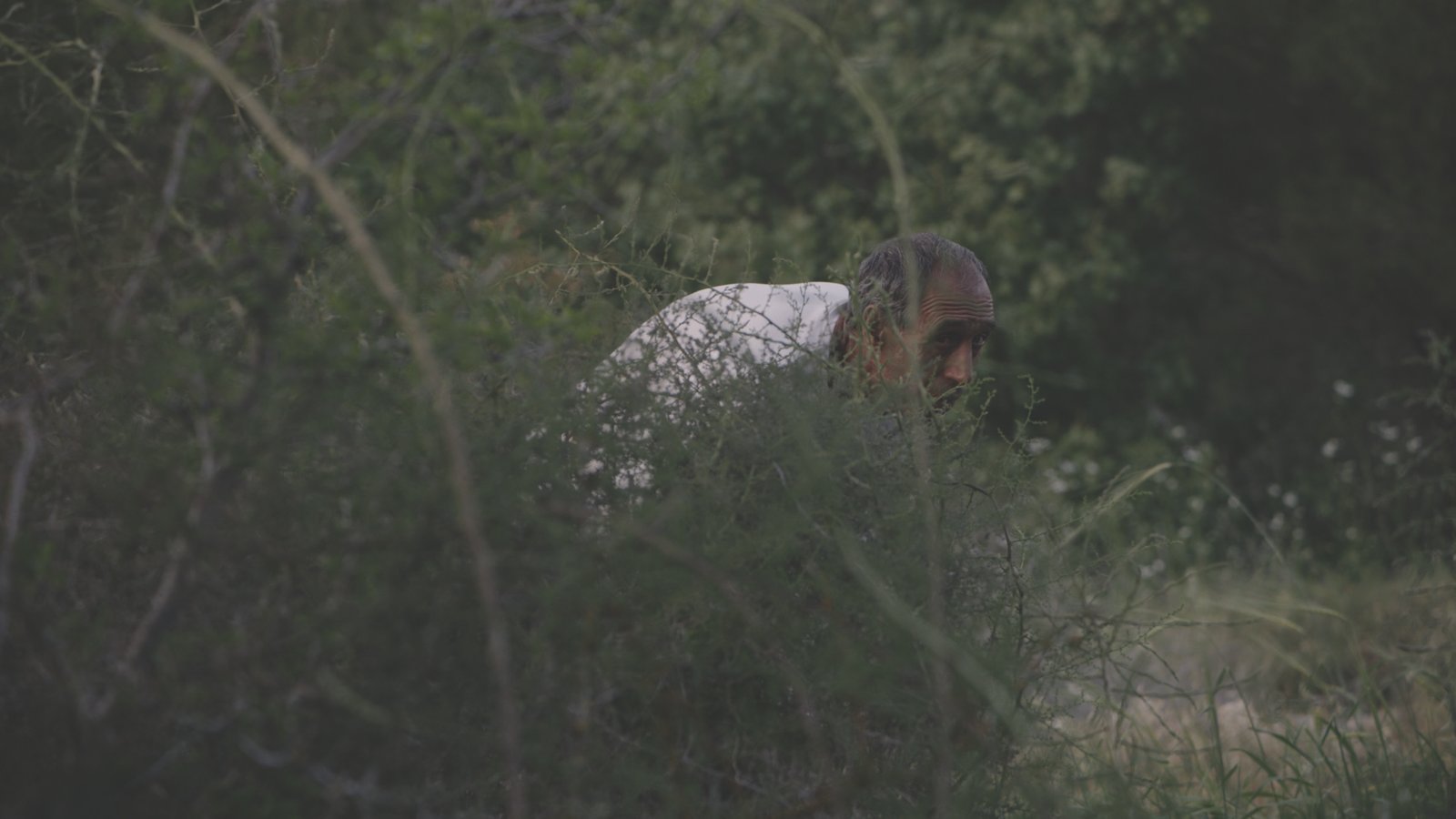
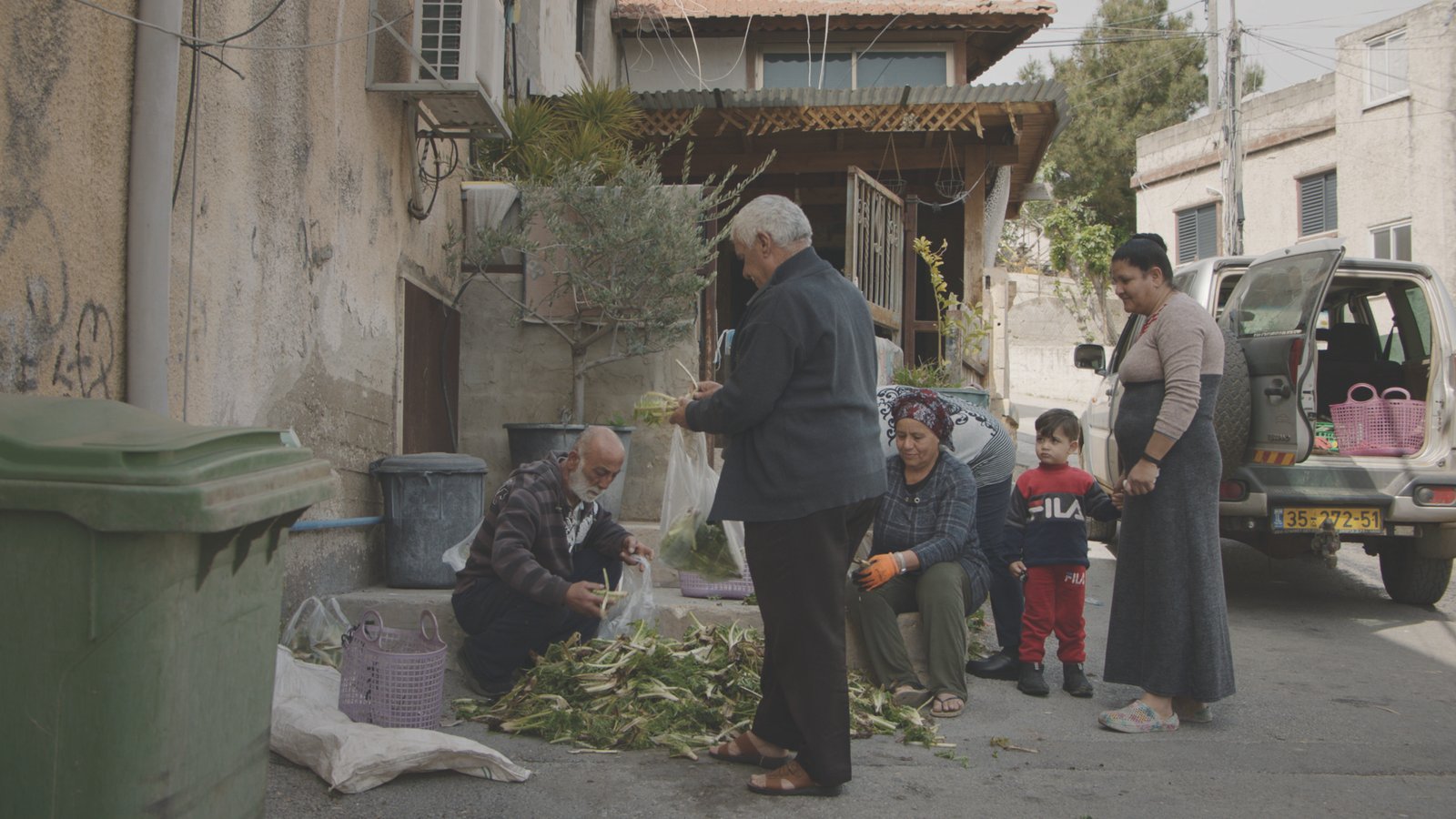
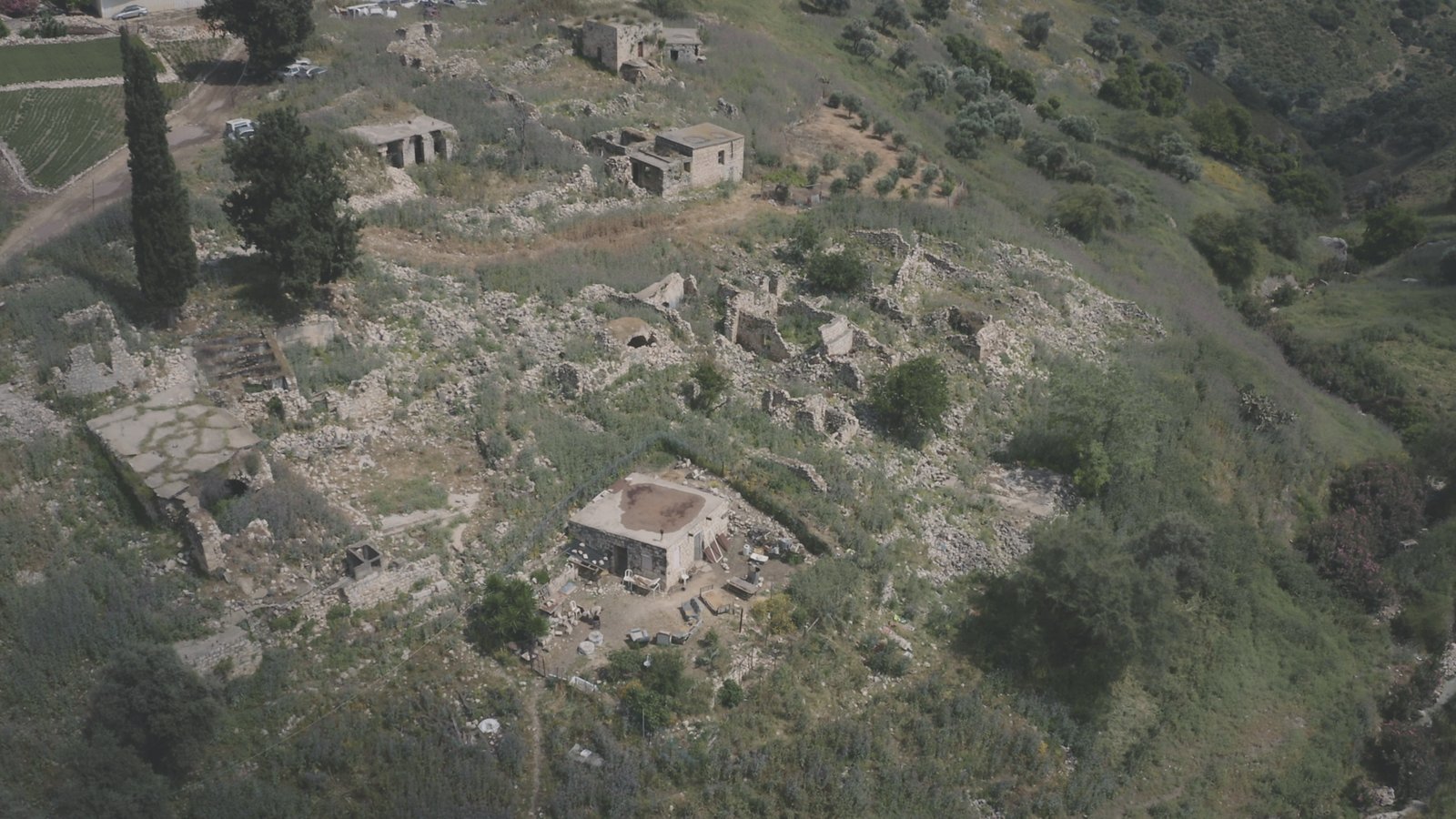
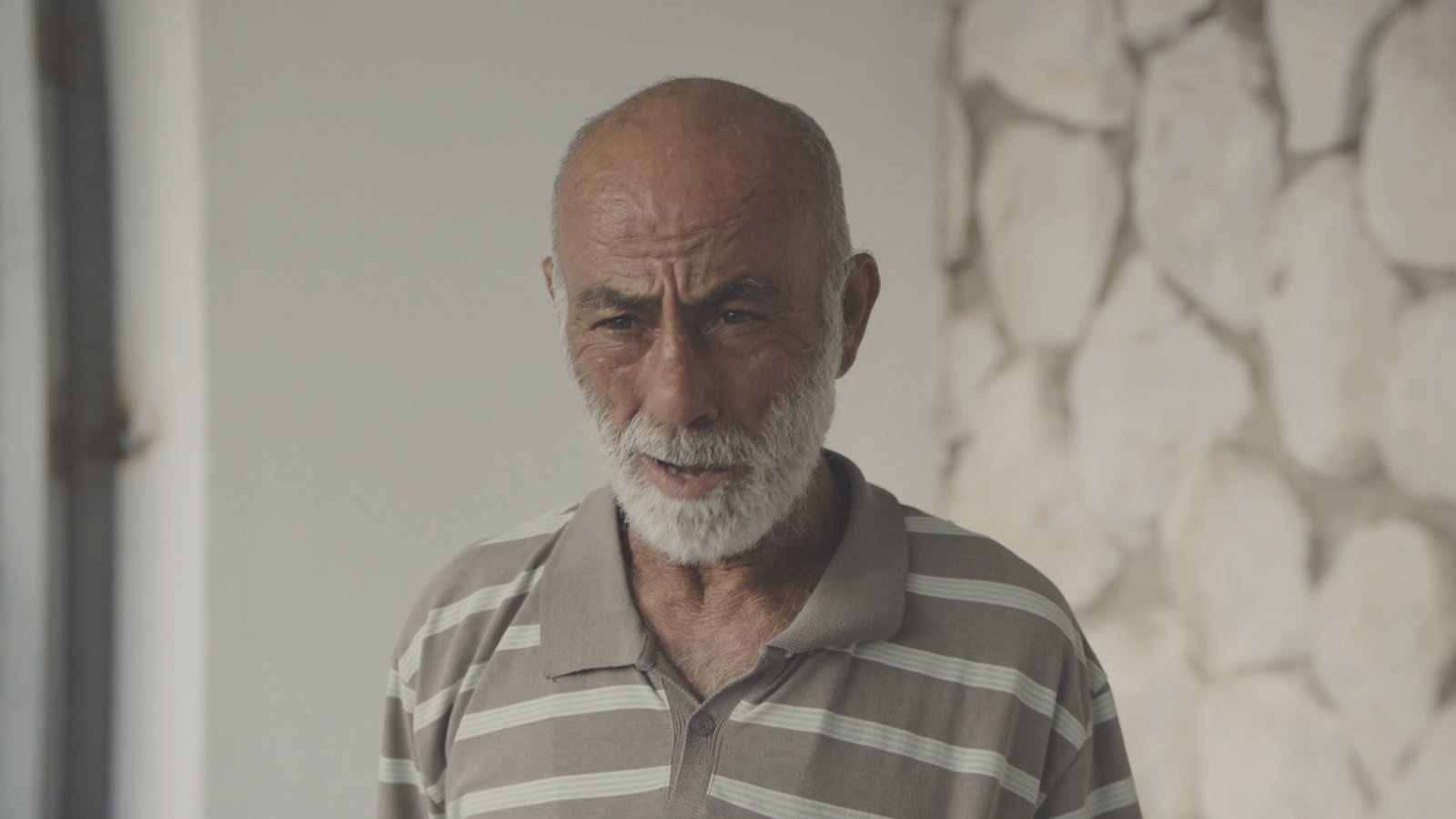
Finally, Jumana Manna’s Foragers (2022) provides a powerful end to the programme, examining what is made extinct and what gets to live on. Shot in the Golan Heights, the Galilee and Jerusalem, the film employs fiction, documentary and archival footage to depict the practice of foraging for wild edible plants in the region. Focused on the indigenous ’akkoub and za’atar (thyme) and the prohibitive legislation by the Israeli state around it, the film calls into question not only apartheid, but the colonial construction of science and ecology in the region.
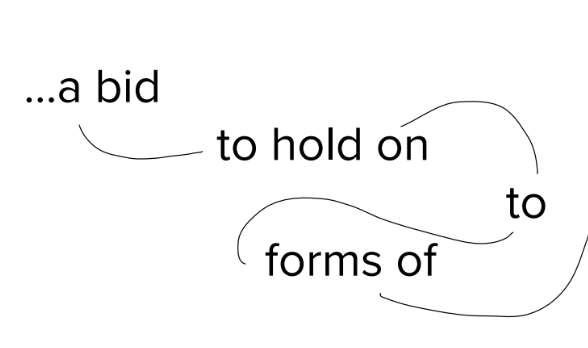
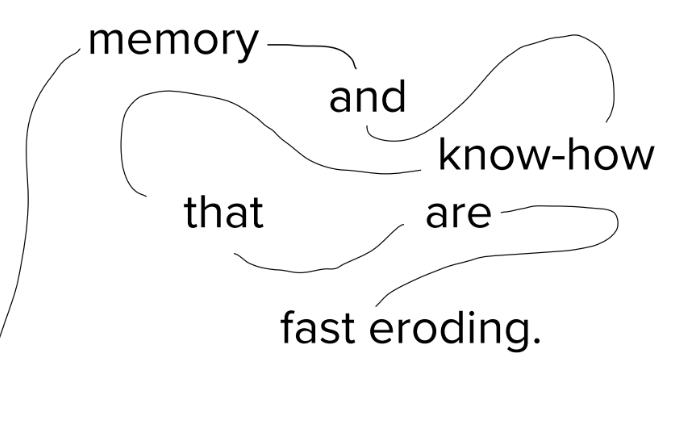
In an essay published on e-flux Journal, Manna writes, “Foraging these plants is part of a bid to hold on to forms of memory and know-how that are fast eroding.”7 As Palestinians grow more and more distant from their ancestral lands, Manna’s insistence on the importance of sensorial and embodied knowledge remains all the more pressing.
It is a practice rooted in geography, for which plant life is more than physical sustenance but a philosophy passed through generations. It is through these ways of interfacing with the world that one finds belonging.
Jumana Manna, Foragers (2022). Video stills.
CREDITS
All images from The Moon is Wet courtesy of Charmaine Poh.
All images from Sandcastles courtesy of Carin Leong.
All images from Missing courtesy of Mooni Perry.
All images from Foragers courtesy of Jumana Manna.
All images from Random Access courtesy of He Zike.
All images from Tungus courtesy of Wang Tuo.
FILM DETAILS (IN VIEWING ORDER)
Charmaine Poh
https://charmainepoh.com/The-Moon-is-Wet
The Moon is Wet, 2025, 25 mins
Carin Leong
https://fieldofvision.org/shorts/sandcastles
Sandcastles, 2024, 17 mins
Zike He
http://www.hezike.cn/under-the-cloud/randomaccess/
Random Access, 2023, 14 mins
Wang Tuo
https://tuo-wang.com/the-northeast-tetralogy/tungus
Tungus, 2021, 69 mins
Mooni Perry
https://mooniperry.studio/missing/
Missing, 2024, 5-channel video installation, 64 mins
Jumana Manna
https://www.jumanamanna.com/Foragers
Foragers, 2022, 64 mins
ARTISTS’ BIOGRAPHIES
Carin Leong (b. Singapore) is a Singaporean documentary filmmaker and multimedia journalist based in Brooklyn. Her work explores themes of science, cultural memory and landscapes. Her film, Sandcastles, produced by Field of Vision and selected as a Vimeo Staff Pick, premiered at SXSW in 2024 before screening at festivals such as AFI Fest, HotDocs, New Orleans Film Festival, and the Singapore International Film Festival, among others. Her projects have been supported by Aesthetica Short Film Festival, DOK Leipzig, and the Untitled Filmmaker Organization, where she is now a Fellow. In 2024, she was recognised by Filmmaker Magazine as one of the 25 Faces of Independent Film.
Carin’s work has been featured by outlets including Scientific American, Hakai Magazine, and The Atlantic. She holds a master’s degree in science journalism from Columbia University’s Graduate School of Journalism and is also a graduate of New York University’s Tisch School of the Arts.
He Zike (b. 1990, Guiyang, China) is an artist who works with mediums including video, writing, performance, prints, and computer programs. By incorporating personal memories into her research and fieldwork, He Zike’s practice illuminates the interplay between time, mundane lives and the technological environment. She weaves the disorder beneath the surface of contemporary life through a narrative approach.
She was a finalist for the 5th VH Award of Hyundai Motor Group and was selected in the residency program of Pro Helvetia, the Swiss Arts Council in 2023. From 2021, she has co-initiated the interdisciplinary project Under the Cloud which visits and studies the technological infrastructure in Southwest China. Her works have been exhibited in Whispers on the Horizon, Taipei Biennale (2025); Cosmos Cinema, Shanghai Biennale (2023); Dream Screen at Leeum Museum of Art (Seoul, 2024); and Stay Connected: Navigating the Cloud at Taikwun (Hong Kong, 2025) among others.
Wang Tuo (b. 1984, Changchun, China) interweaves historical facts, cultural archives, fiction and mythology into speculative narratives. Equating his practice to novel writing, he stages an intervention in historical literary texts and cultural archives to formulate stories that blur the boundaries of time and space, facts and imagination. Through film, performance, painting, and drawing, the artist’s work is a powerful examination of modern Chinese and East Asian history. The multidimensional chronologies he constructs, interspersed with conspicuous and hidden clues, expose the underlying historical and cultural forces at work within society. Embracing a uniquely Chinese hauntology, Wang proposes “pan-shamanisation” as an entry point to unravel the suppressed and untreated memories of 20th century China and East Asia. Through historical inquiry, Wang’s works, often unsettling and dramatic, disentangle collective unconsciousness and historical traumas. His more recent work critiques contemporary conditions of censorship, more specifically the tensions within the push and pull between artist and authority.
Wang has recent solo shows at K21, Kunstsammlung Nordrhein-Westfalen, Düsseldorf; UCCA, Beijing; Present Company, New York; Salt Project, Beijing; Taikang Space, Beijing, and recent group shows at M+ Museum, Hong Kong; National Museum of Modern and Contemporary Art, Seoul; Julia Stoschek Collection, Düsseldorf; Staatliche Kunsthalle Baden-Baden, Baden-Baden; Queens Museum, New York; Kino der Kunst, Munich; Zarya Center for Contemporary Art, Vladivostok; Incheon Art Platform, Incheon; Power Station of Art, Shanghai; OCAT, Shenzhen & Shanghai; Times Museum, Guangzhou; National Taiwan Museum of Fine Arts, Taichung. Wang Tuo was an Artist-in-Residence at the Queens Museum, New York from 2015 to 2017. He won the China Top Shorts Award and the Outstanding Art Exploration Award in Beijing International Short Film Festival 2018. Wang Tuo is the winner of the Three Shadows Photography Award 2018 and the Youth Contemporary Art Wuzhen Award 2019. He was awarded a research residency at KADIST San Francisco as part of the OCAT x KADIST Media Artist Prize 2020. He won the Sigg Prize 2023 and in 2024 was the recipient of the K21 Global Art Award.
Mooni Perry (b. 1990, Seoul, Korea) is a Berlin-based artist whose moving-image practice weaves together long-term field research, feminist cosmologies, and vernacular ritual cultures across East Asia. Her work examines disappearance, women’s ritual practices, and Taoist cosmologies, often unfolding in multi-channel installations exploring simultaneity and layered memory.
Her recent film EL (2025), exhibited at the National Museum of Modern and Contemporary Art, Seoul, revisits the lives of Korean women in former Manchuria, blurring lines between memory and disappearance. Her installation and publication Missing (2024) unfold as a poetic inquiry into female Taoist communities, displaced sanctity, and the generative power of being lost. She has also exhibited at institutions such as Westfälischer Kunstverein, Münster; KW Institute for Contemporary Art, Berlin; Neuer Berliner Kunstverein, Berlin; Kai Art Center, Tallinn; and ARKO Art Center, Seoul. In 2021, she received the ars viva prize.
Jumana Manna (b. 1987, New Jersey, USA) is a visual artist and filmmaker. Her work explores the articulations of power through the body, land and materiality in relation to colonial inheritances and histories of place. Moving between the seemingly divergent media of cinema, abstract sculpture, and collage, Manna addresses how performing bodies, material fragments, and landscapes both desire and narrate pasts, presents, futures that persist and resist the violences imposed upon them. Her recent work has dealt with the paradoxes of preservation—particularly with regards to land practices and the law—probing the tension between the modernist traditions of categorisation and conservation and the unruliness of ruination, life and regeneration.
Manna is Moving Image Associate Chair at Bard’s MFA program, Annandale-on-Hudson, NY. She was previously a visiting lecturer at Harvard University, the Academy of Fine Arts Munich, and has taught at Homeworks Space Program, Beirut and Birzeit University, Palestine. Jumana is represented by Hollybush Gardens Gallery, and her films are distributed by LUX. She lives in Jerusalem and Berlin.
Charmaine Poh (b. 1990, Singapore) is an artist from Singapore working across media, moving image, and performance to peel apart, interrogate, and hold ideas of agency, repair, and the body across worlds. She aligns herself with strategies of visibility, opacity, deviance, and futurity.
She has exhibited at the Singapore Art Museum, the Seoul Museum of Art, Blindspot Gallery, REDCAT LA, esea contemporary, and the 60th Venice Biennale: Foreigners Everywhere, among others. In 2019, she was one of Forbes Asia’s 30 under 30 in the arts. Her work has been collected by institutions such as Vega Foundation, Sunpride Foundation, and KADIST. She was recently named Deutsche Bank’s Artist of the Year for 2025 and is a recipient of the Villa Romana Prize 2026. Her solo exhibition, Make a travel deep of your inside, and don’t forget me to take, will travel from PalaisPopulaire in Berlin to MUDEC Milan in fall 2026.
Based between Berlin and Singapore, she is a co-founder of the magazine Jom and a member of the Asian Feminist Studio for Art and Research (AFSAR).